The Beginning of a Sacred Journey
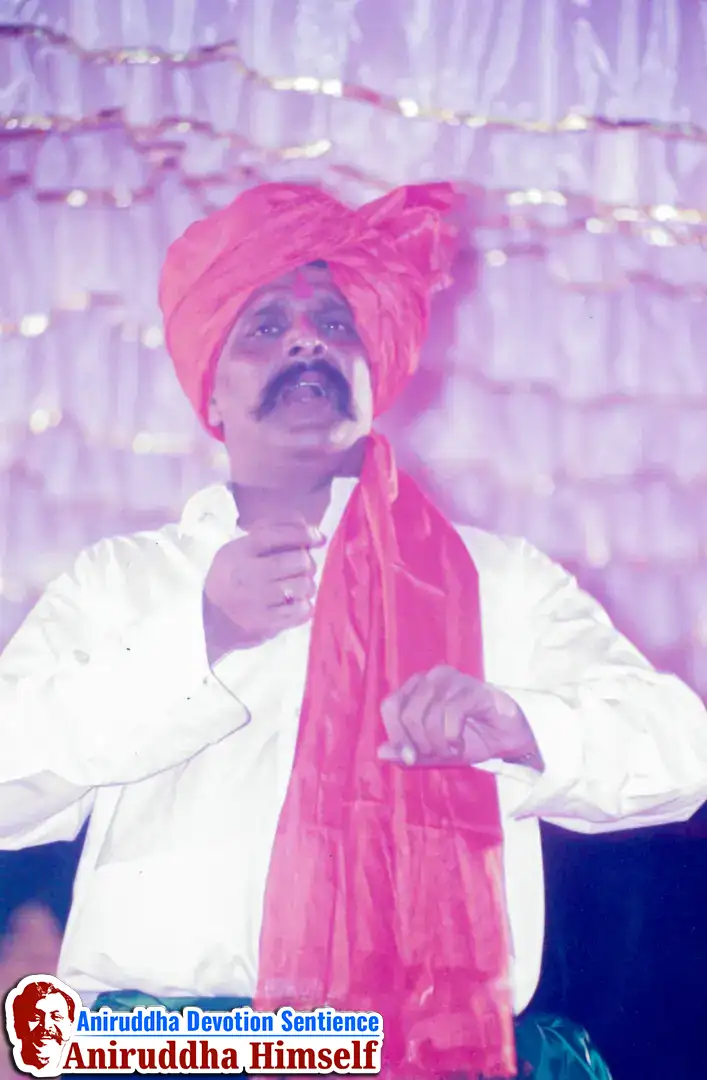
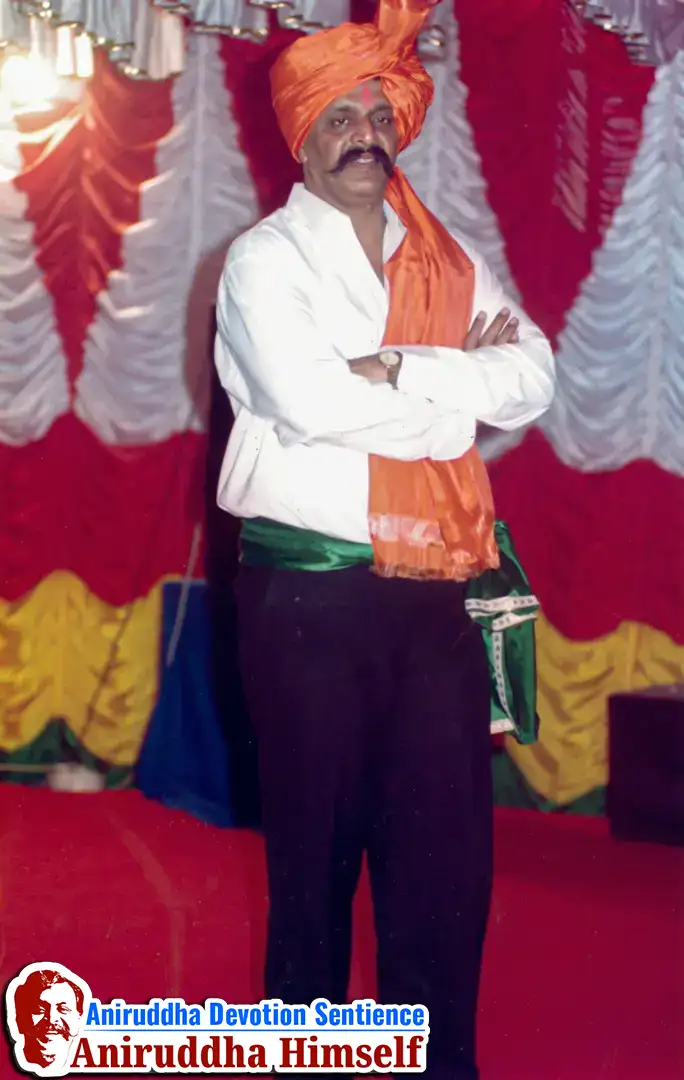
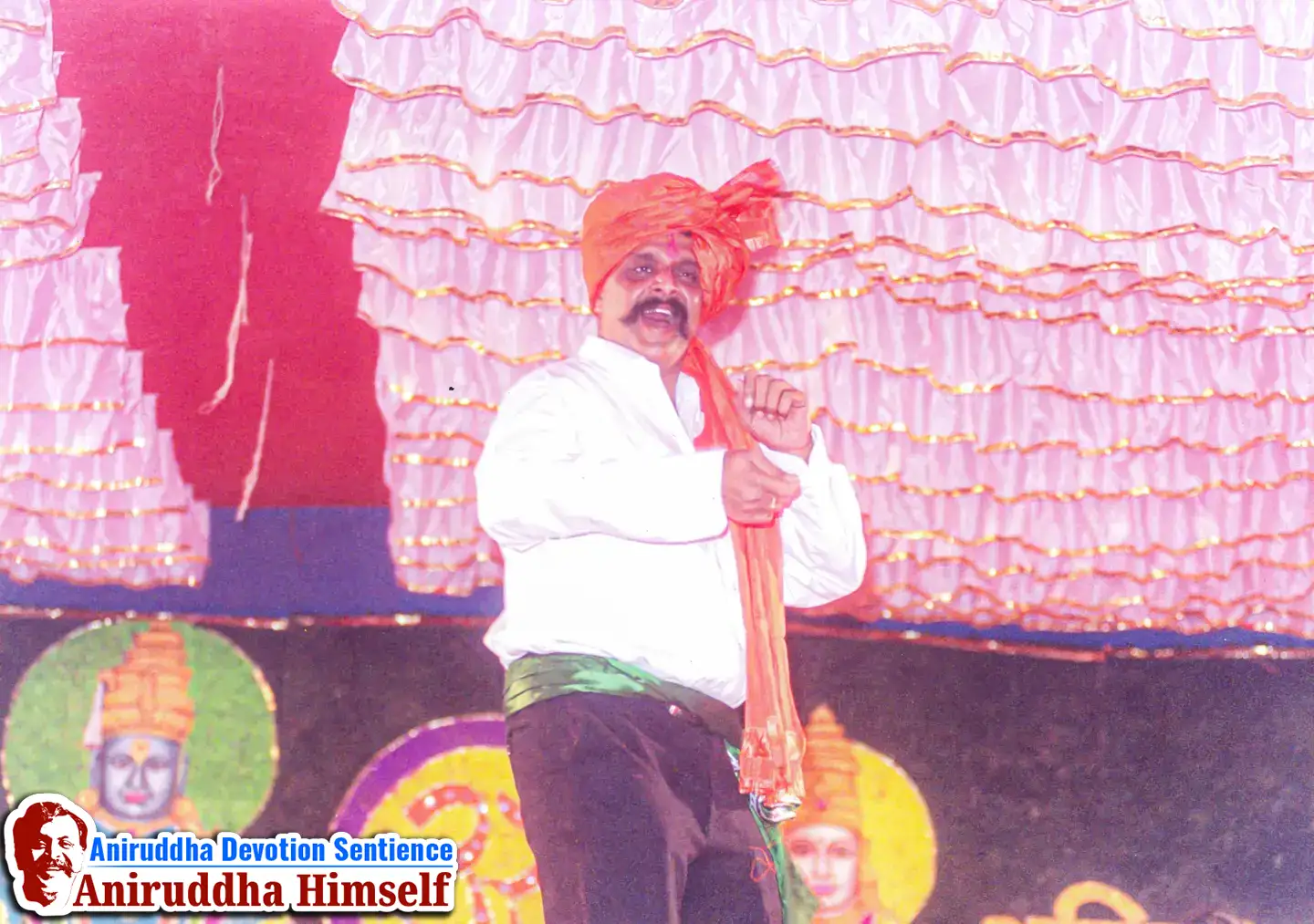
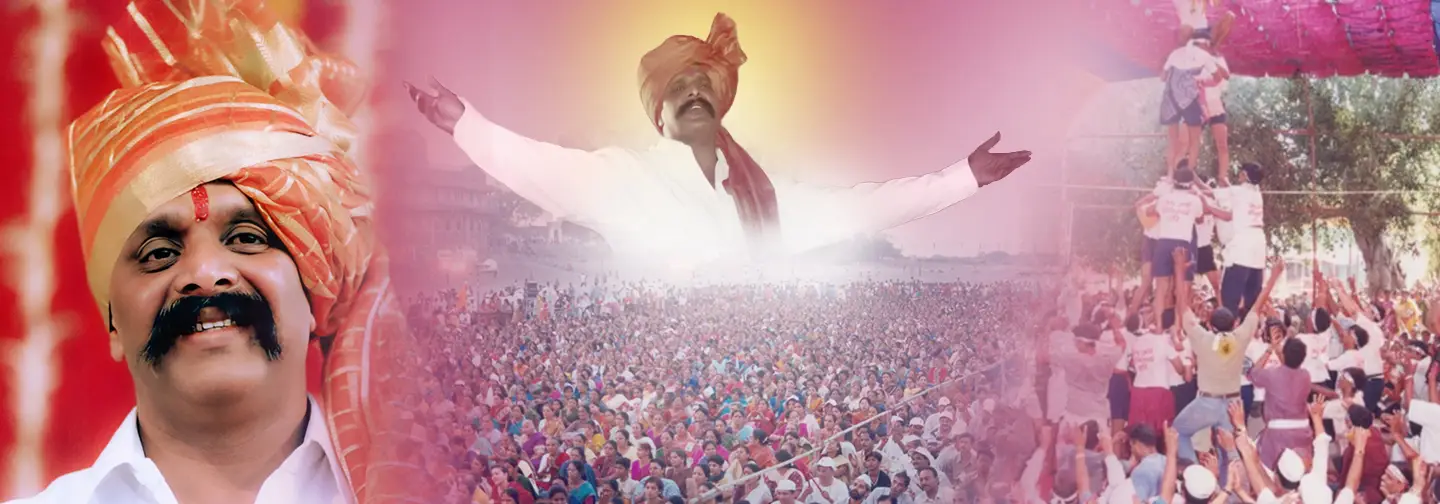
In the year 2001, Sadguru Shree Aniruddha (Bapu) had organised a Bhavayatra to the Shreekshetra Pandharpur, the residence of the deity who is affectionately invoked by the Shraddhavans with innumerable names such as Pandharinath, Vitthal, Vithu, Pandurang.
Sadguru Shree Aniruddha announced the Bhavyatra after four Rasayatras of Shirdi, Akkalkot, Dehu-Alandi and Mangesh Shantadurga-Goa had taken place. This announcement passed a wave of enthusiasm within every Shraddhavan who was present at the time. All of them keenly awaited for the Bhavayatra to commence.
Speaking about the spiritual significance of this journey, Sadguru Bapu said:
“Bhakti is the 16th opulence that we receive along with Lord Vitthal at Pandharpur. The Saints believe that Pandharpur is their mother’s home, the Chandra Bhaga their sister and Pundalik(who was an ardent devotee), their brother. A devotee walks on the path of Pandhari(Pandharpur) only to attain their mother’s home, this 16th opulence of Bhakti”, said Bapu while speaking of the peculiarity of this Pandharpur Bhavayatra. Bhakti is the only bridge between the Parmeshwar and the devotee, and nobody else.
Day One – 5th May 2001: The Journey Begins
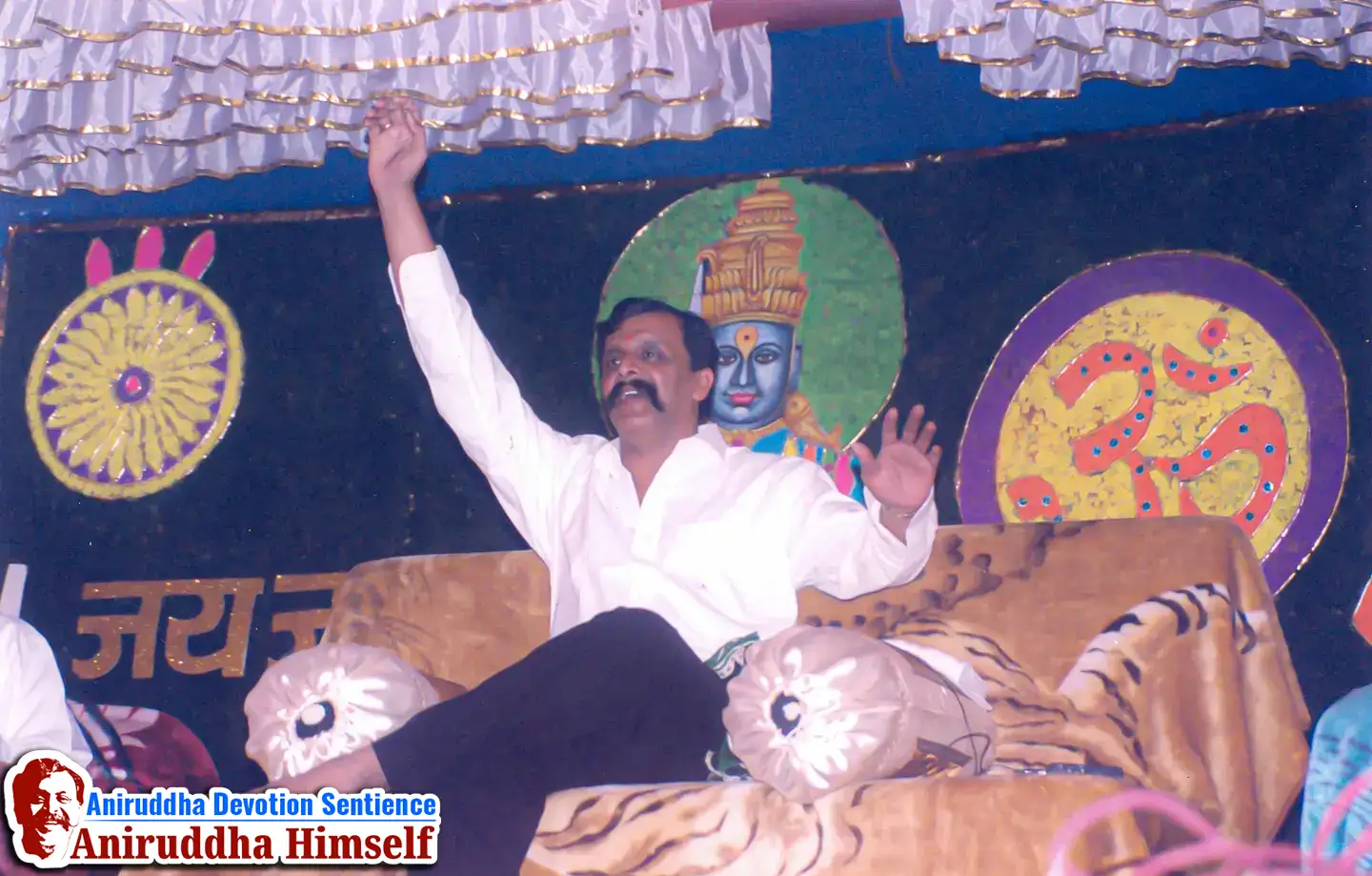
As evening descended on 5th May 2001, Shraddhavans from different places gathered at the sacred kshetra of Pandharpur, their hearts filled with eager anticipation. At around 10:00 p.m., the long-awaited moment arrived. The moment Sadguru Shree Aniruddha Bapu reached Pandharpur, an indescribable wave of joy swept through every Shraddhavan. The sight of their beloved Sadguru transformed their waiting into a celebration of love and gratitude.
Day Two – 6th May 2001: The Rathyatra and the Light of Bhakti
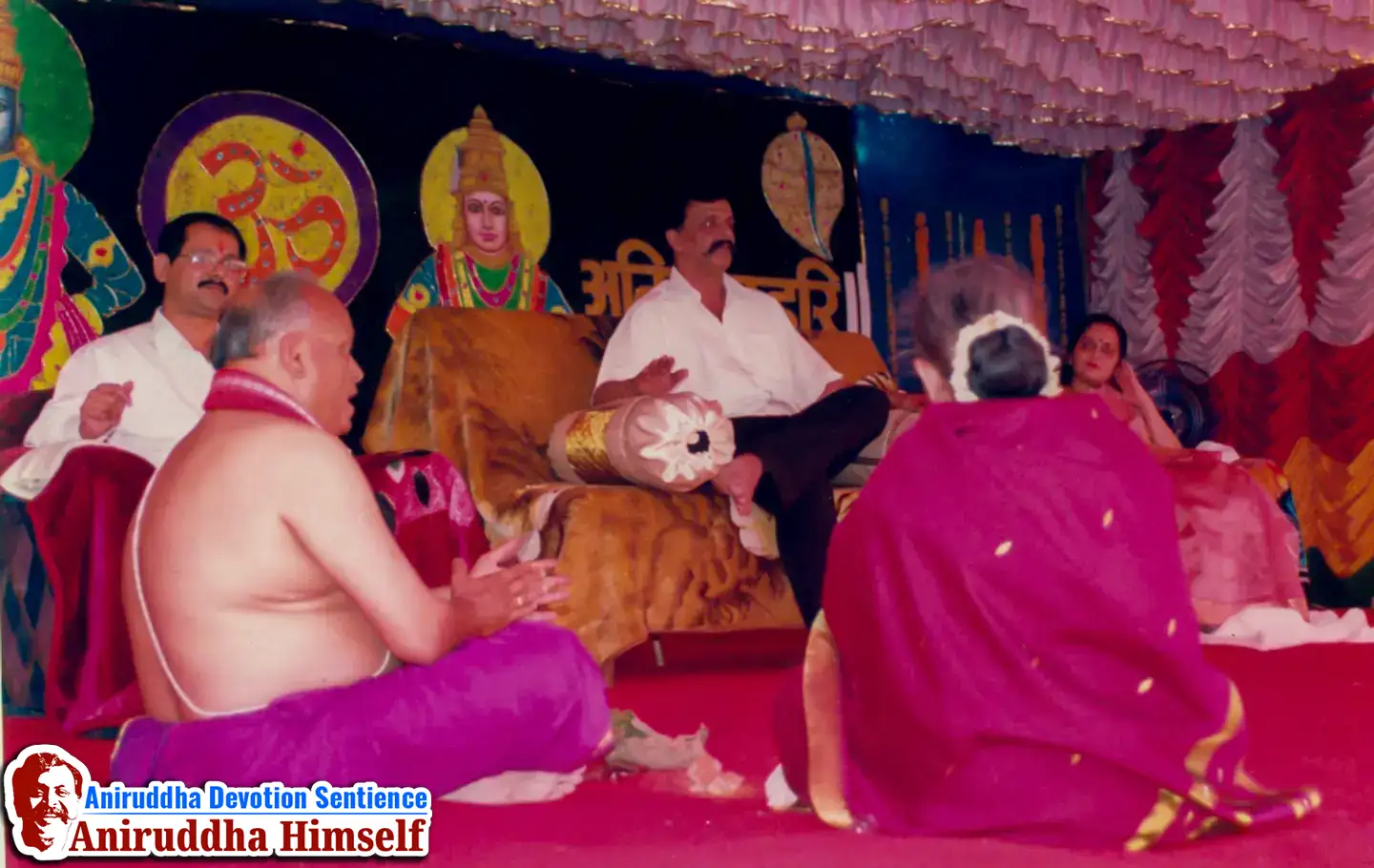
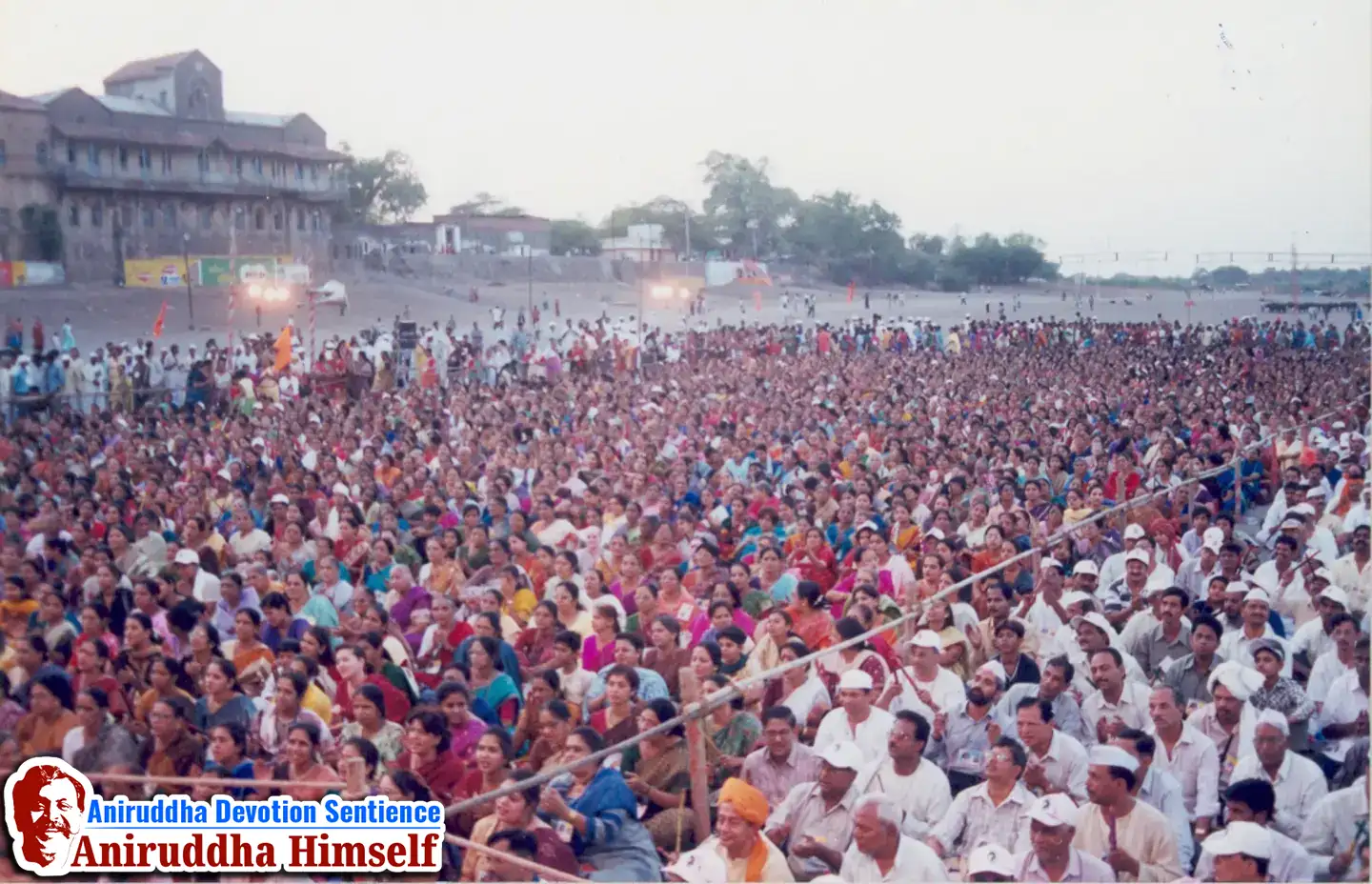
The second day of the Bhavayatra dawned with an atmosphere of deep anticipation as all the Shraddhavans assembled in the pandal to receive the divine guidance of Sadguru Shree Aniruddha Bapu. Bapu unfolded the profound spiritual significance of Lord Pandurang in simple yet illuminating words:
“The Mahavishnu, the one who equally controls the light and darkness, Himself is Pandurang! Pandurang stands for fair complexion (gaur varna), but the saints also address him as Kaala, Sawla (of dark-skinned complexion), which only means that he is fair and also dark, both at the same time”. While speaking at this time, Bapu said, “Our sentiment towards the Pandurang should be such that we feel, He belongs to me and I want to belong to Him!”.
Inspired by this spirit of loving surrender, the Shraddhavans participated in a unique act of devotion. Each one was given sacred soil and Archandravya to lovingly mould the four divine weapons of Bhagwan Mahavishnu—the Shankha (conch), Chakra (discus), Gada (mace), and Padma (lotus). The sacred activity commenced with Bapu's serene utterance of "Hari Om" and concluded with the very same divine invocation. Throughout the process, the air reverberated with the continuous chanting of "Shree Hari Vitthal, Jai Hari Vitthal," transforming a simple act of craftsmanship into an offering of Bhakti.
Thereafter, the Pandurang Gayatri Mantra was chanted collectively 108 times:
ॐ पद्मनाभाय विद्महे । पांडुरंगाय धीमहि । तन्नो हरिः प्रचोदयात्॥
Om Padmanaabhaaya Vidmahey, Paandurangaaya Dheemahi, Tanno Harih Prachodayaat.
Tulsi leaves were then reverentially offered to the sacred Ayudhas.
At that moment, Bapu asked every Shraddhavan to pray with complete sincerity:
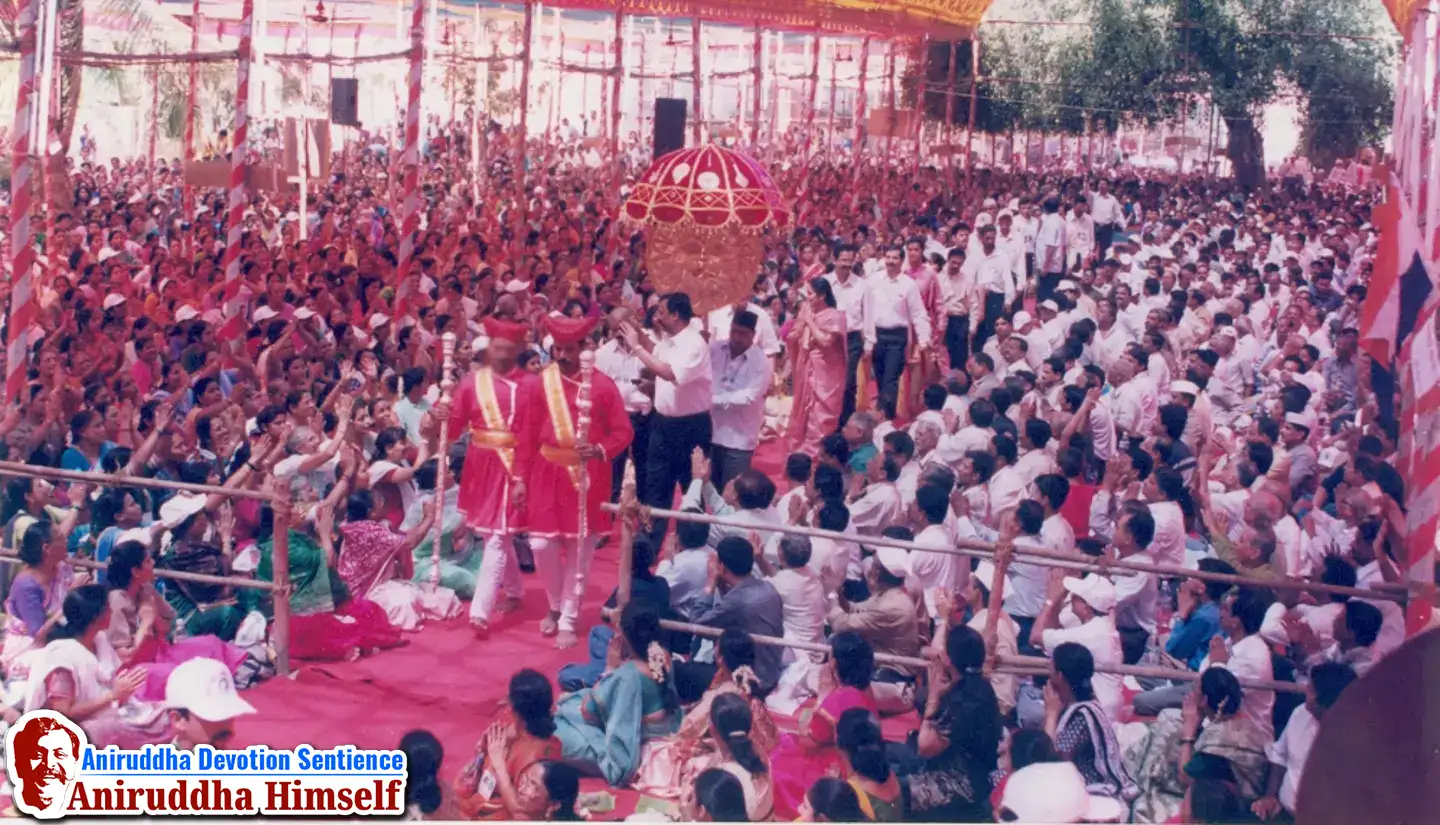
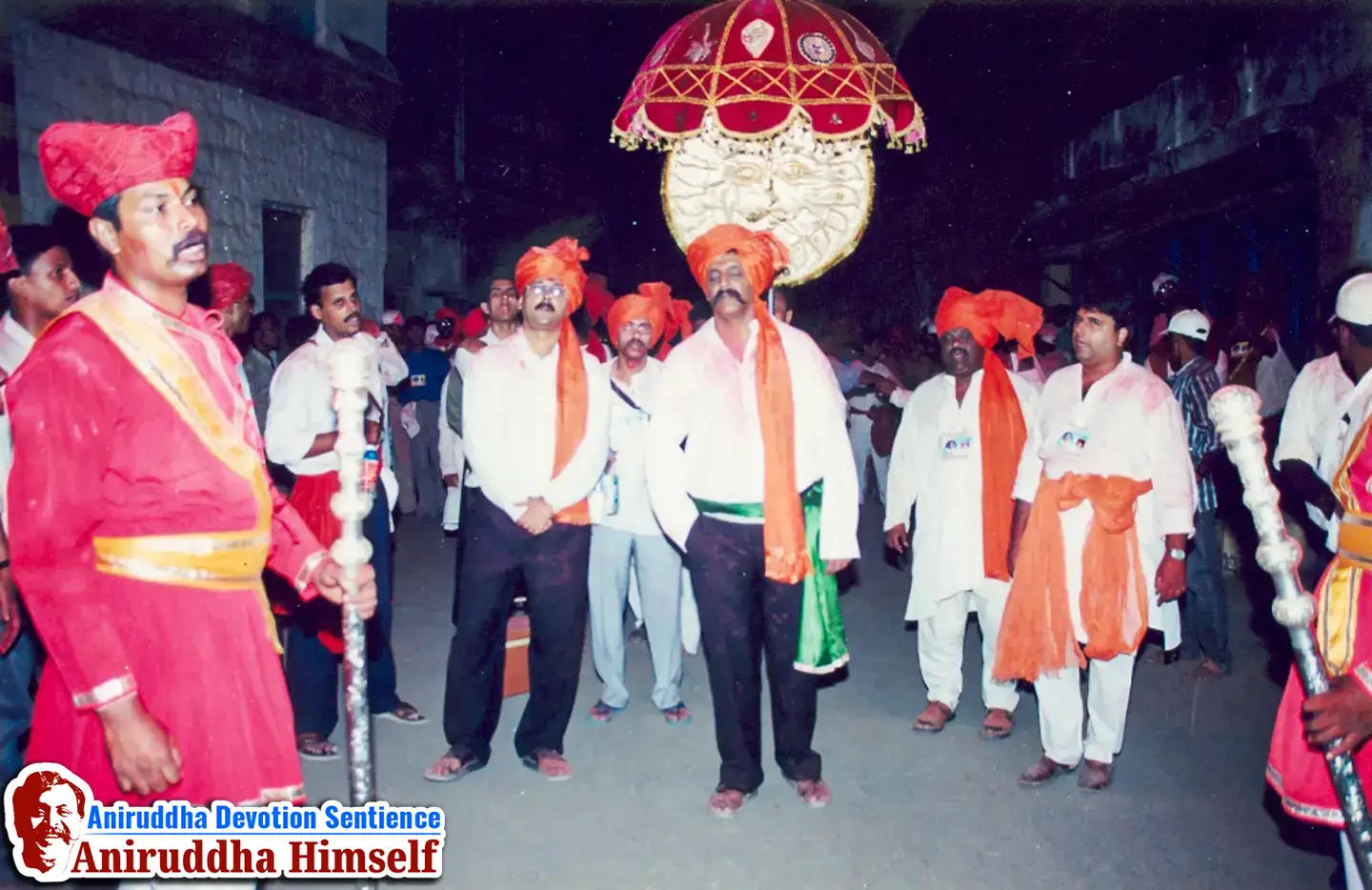
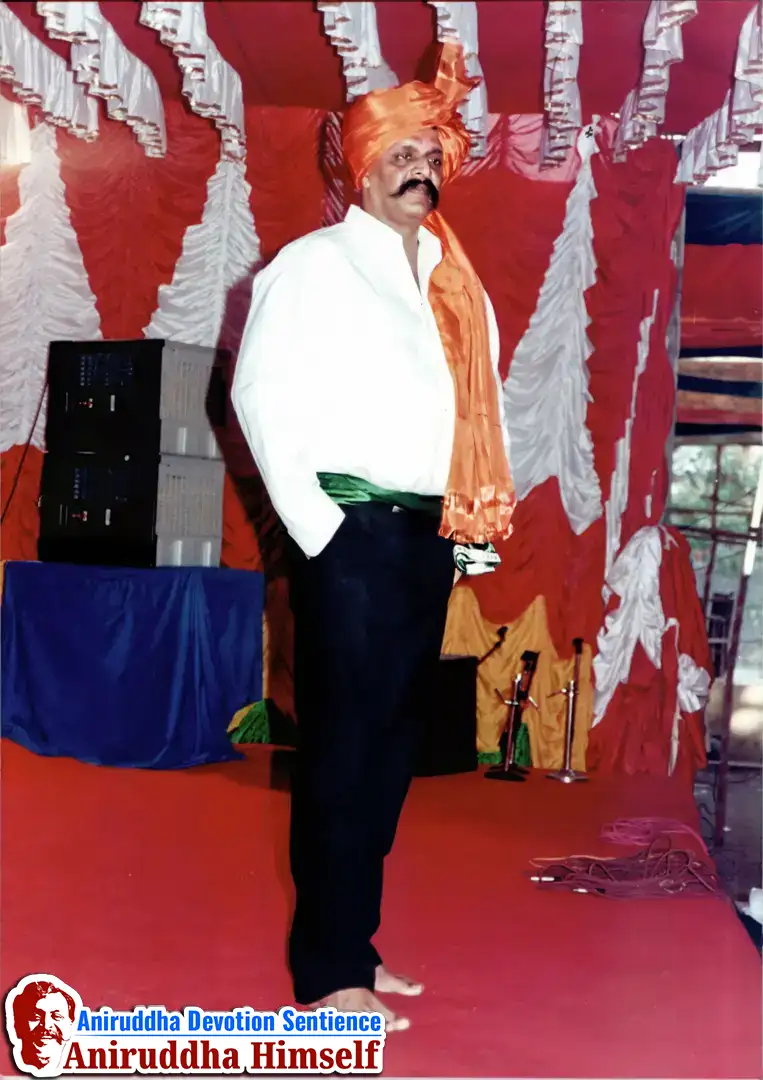
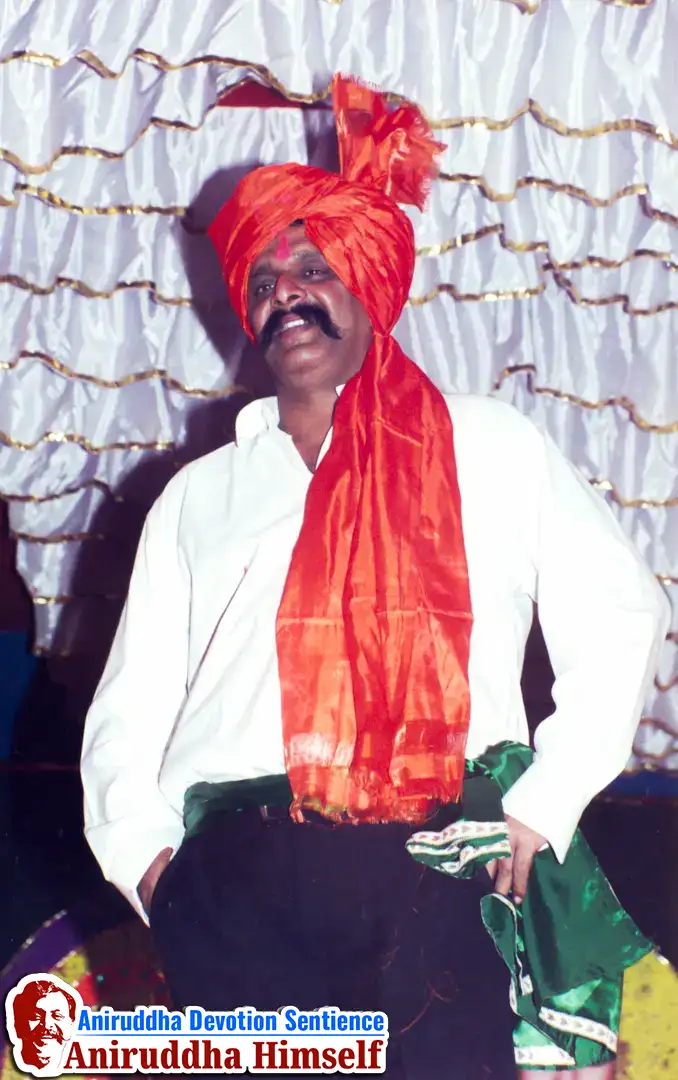
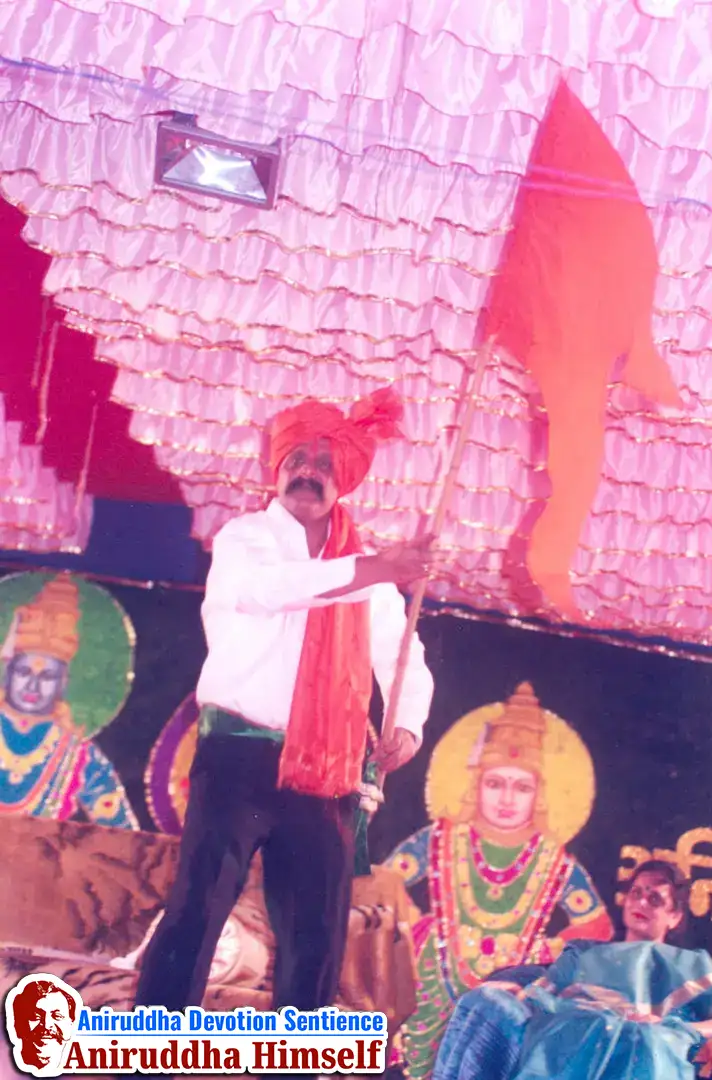
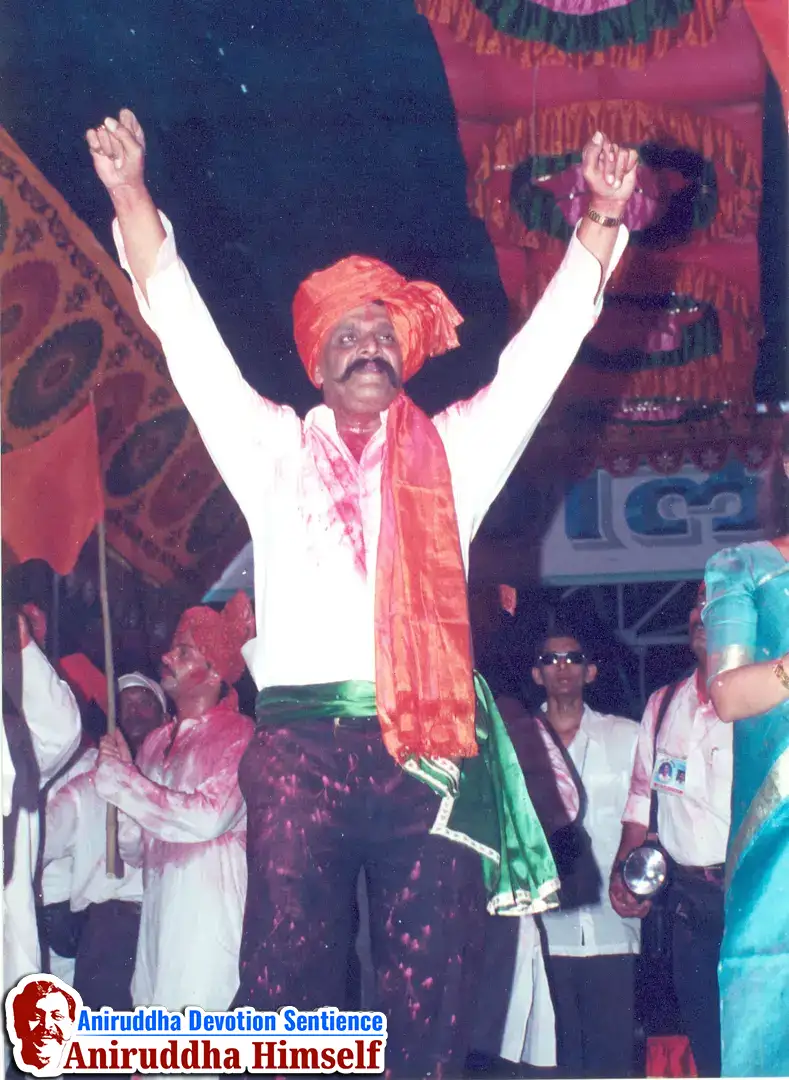
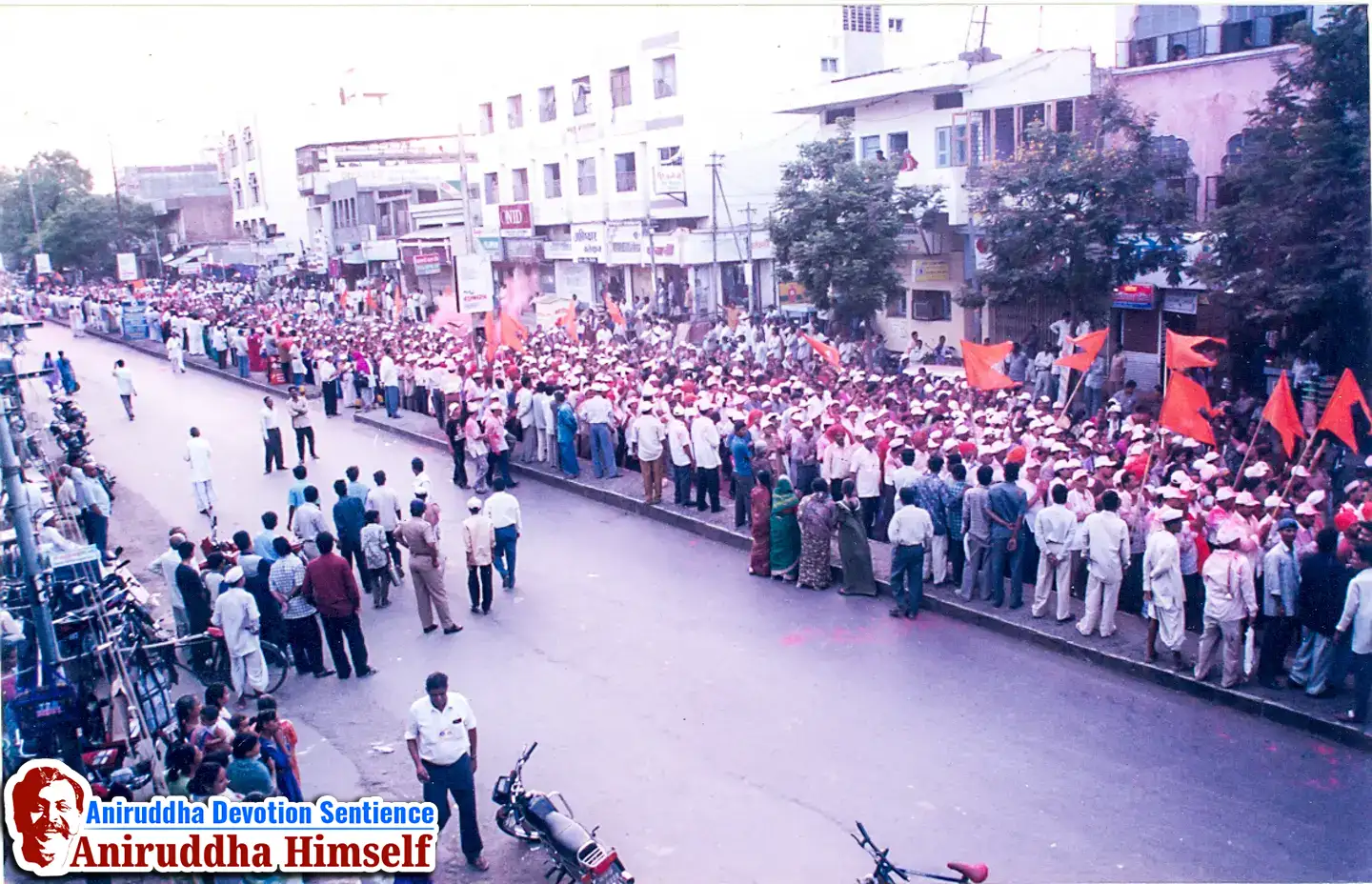
The majestic chariot, weighing nearly two tonnes, carried the resplendent idol of Shree Vitthal. There was an image of Shree Hanumanta and a placard titled ‘श्री पंढरीनाथ पद्मराग रथयात्रा’ (Shree Pandharinath Padmarag Rathyatra) atop the chariot. Clad in saffron turbans and carrying fluttering saffron flags, Shraddhavans joyfully filled the air with the resounding chants:
"Jai Jai Ram Krishna Hari!"
"Majha Vitthu, Majha Vitthu!"
"Aala Re Aala, Majha Sawla Vitthal Aala!"
The thunderous beats of the dhol and taasha, the rhythmic chanting of the auspicious Naam, and the sight of thousands of devotees moving together in joyous devotion transformed the procession into a living expression of Pandharpur's timeless Warkari tradition. Walking beside the chariot, Sadguru Shree Aniruddha Bapu lovingly blessed the Shraddhavans as they pulled the sacred Ratha of Bhagwan Vitthal. Women dressed in elegant Nauvari sarees and adorned with traditional naths danced with unrestrained joy, every graceful step becoming an offering of pure Bhakti to their beloved Pandurang.
The day's spiritual journey concluded with another unforgettable experience. In the evening, all the Shraddhavans, together with Bapu, watched the immortal classic Sant Tukaram. The life of Sant Tukaram Maharaj unfolded before their eyes as a timeless testimony to steadfast faith, unshakable devotion, humility, and complete surrender to Lord Vitthal. Witnessing Sant Tukaram Maharaj's unshakable devotion inspired every Shraddhavan to strengthen their own bond with Pandurang, bringing the second day of the Bhavayatra to a close in an atmosphere filled with gratitude, devotion, and spiritual fulfilment.
Day Three – 7th May 2001: Surrender and Symbolism
The Shraddhavans first sought the darshan of the step called as ‘Namdev Pairi’ ascribed to Saint Namdev Maharaj, who was an ardent devotee of Lord Vitthal followed by the samadhi of Chokhoba Maharaj then paid their earnest obeisance to mother (Mauli) Kanhopatra, and only then did they bow down in reverence before Lord Vitthal. Previously, Bapu had narrated tales of these three great saints to all the Shraddhavans.
The Dahikala celebration was another unforgettable highlight of the Bhavayatra. Under the loving guidance and in the divine presence of Sadguru Shree Aniruddha Bapu, the festival became far more than a joyous tradition—it became a living lesson in Bhakti, unity, and collective effort.

Day Four – 8th May 2001: Vaishakh Pournima – The Culmination of Grace
On the fourth day, the Haripaath (a composition of 28 abhangas by Saint Dyaneshwar) was performed in the presence of Sadguru Shree Aniruddha. This day was of the Vaishakh Pournima. As Sadguru Shree Aniruddha had shared the importance of the Vaishakh Pournima and described the greatness of performing Upasana on this day, every Shraddhavan’s sentiment of devotion had multiplied tremendously.
The sequence of the collective upasana performed on the day of Vaishakh Pournima in the presence of Sadguru Shree Aniruddha is as follows –
- Gurur Brahma Gurur Vishnu Gurur Devo Maheshwarah | Guru Sakshaat Parabrahma Tasmai Shree Gurvey Namah | (1 time)
- Sadguru Taarak Mantra – Om Manasamarthyadata Shree Aniruddhaya Namah | – (108 times)
- Hanuman Chalisa (11 Times)
Later, all the Shraddhavans savoured the teerth and prasad of Kairi Panha(a drink made from raw mango) and Aambe Dal (a chutney made of raw mango and chana dal), which is considered to be ‘the most sacred prasad (offering to God) on the occasion of Vaishakha Pournima’.
Sadguru Shree Aniruddha narrated a traditional tale based on it and urged every Shraddhavan to play the Tipri with the only sentiment that ‘I am Shri Krishna’s Gop (friend)’.
The Homeward Journey – A Heart Full of Grace
On the last day of the Bhavayatra, all the Shraddhavans recalled the joyous festival-like journey they experienced here, and their hearts filled with intense emotions with the thought of returning home. Pandharpur is known as the mother’s home for all the saints and the feeling of this Bhavayatra in the Pandharpur of Shri Vithal actually concluding had become unbearable for everybody. At the end of it all, Bapu said this to all the Shraddhavans before leaving from Pandharpur:
“Live with the sentiment that ‘God! You certainly belong to me, but I want to be yours too!’ This will make each moment of your life worth cherishing, joyous and full of love”.