The Dindi
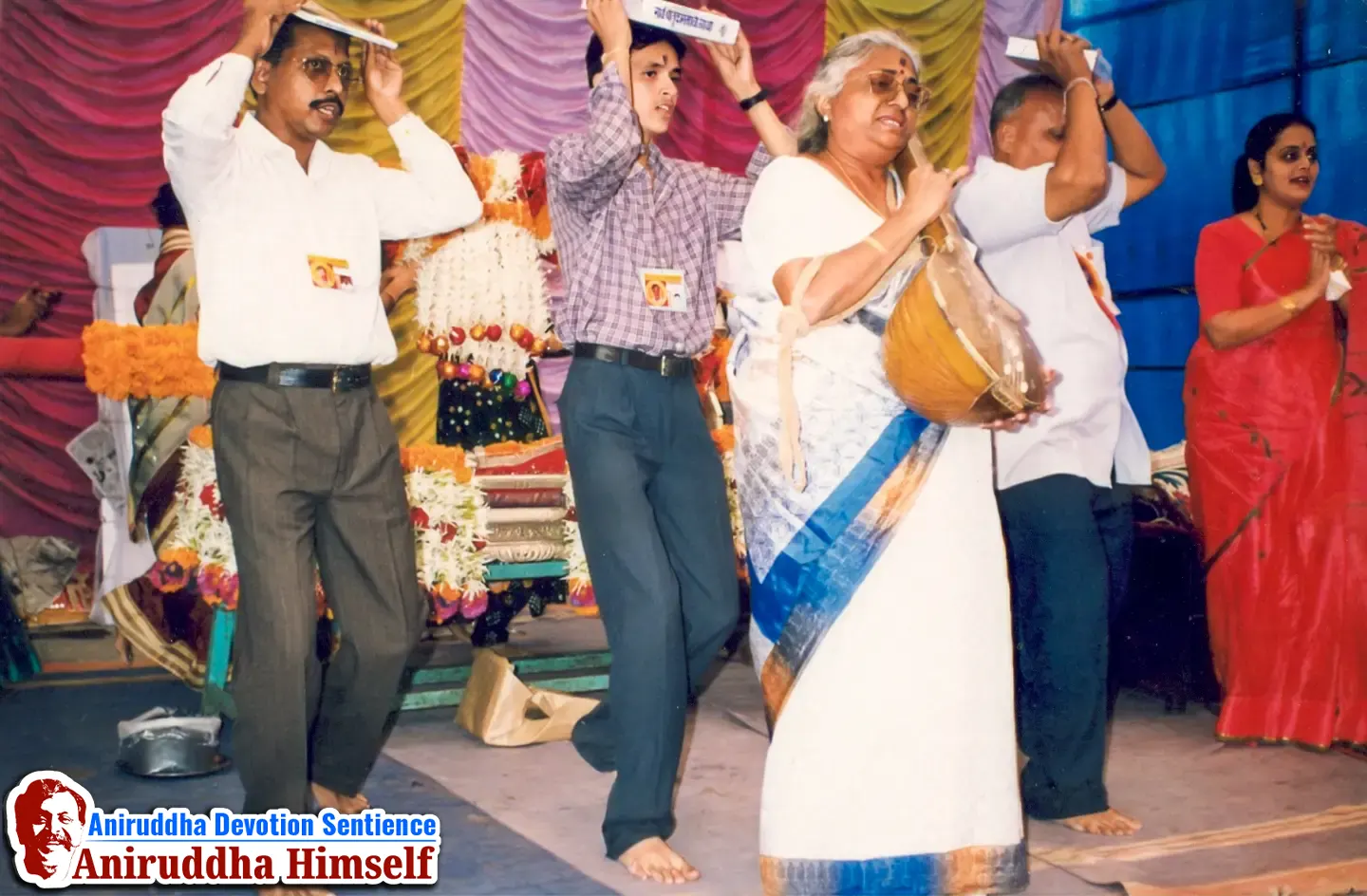
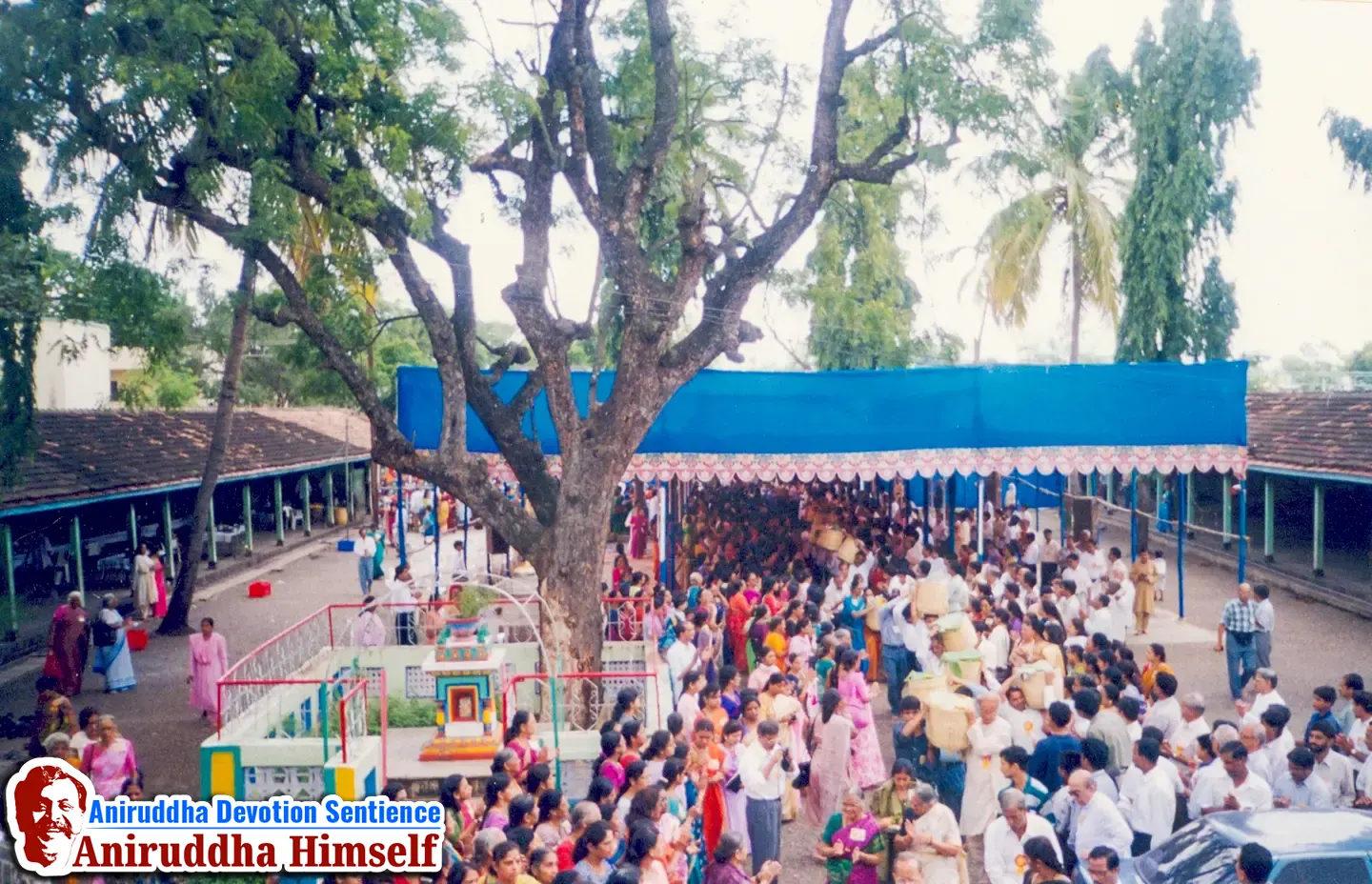
Sadguru Shree Aniruddha first explained the profound spiritual significance of this Rasayatra and the deeper purpose of the Dindi, in which the sacred Granthas were carried with reverence. He reminded the Shraddhavans that the sacred Granthas composed by the great saints are not merely scriptures but living embodiments of their devotion, spiritual experience, and divine wisdom. Penned by saints who dedicated their entire lives to the loving worship of Lord Vitthal, these holy works continue to illumine the path of Bhakti and hold a place of reverence equal to that of a Guru in the life of a Shraddhavan. Bapu Himself has often drawn upon these timeless compositions in His writings and discourses, reaffirming their eternal relevance.
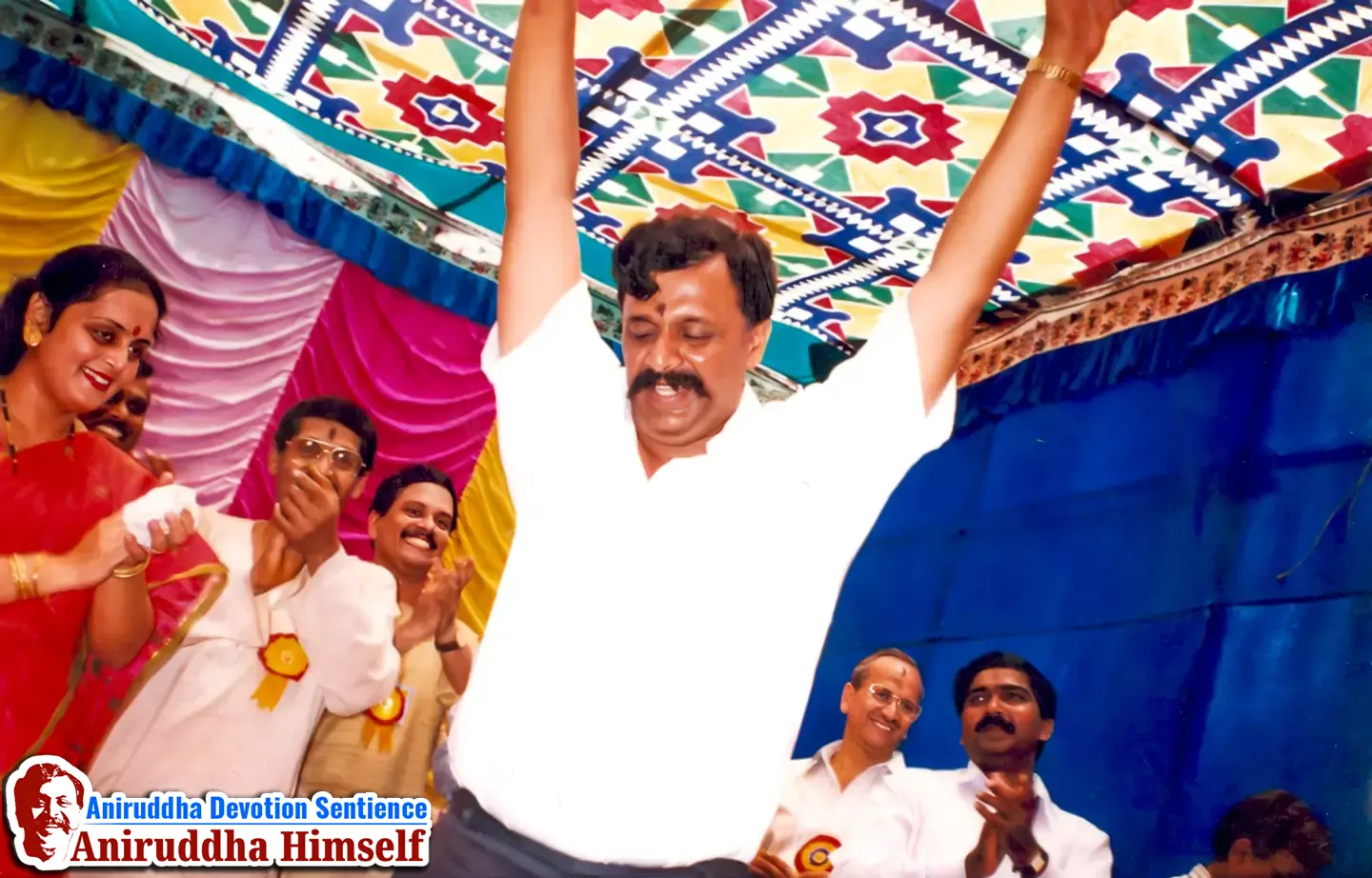
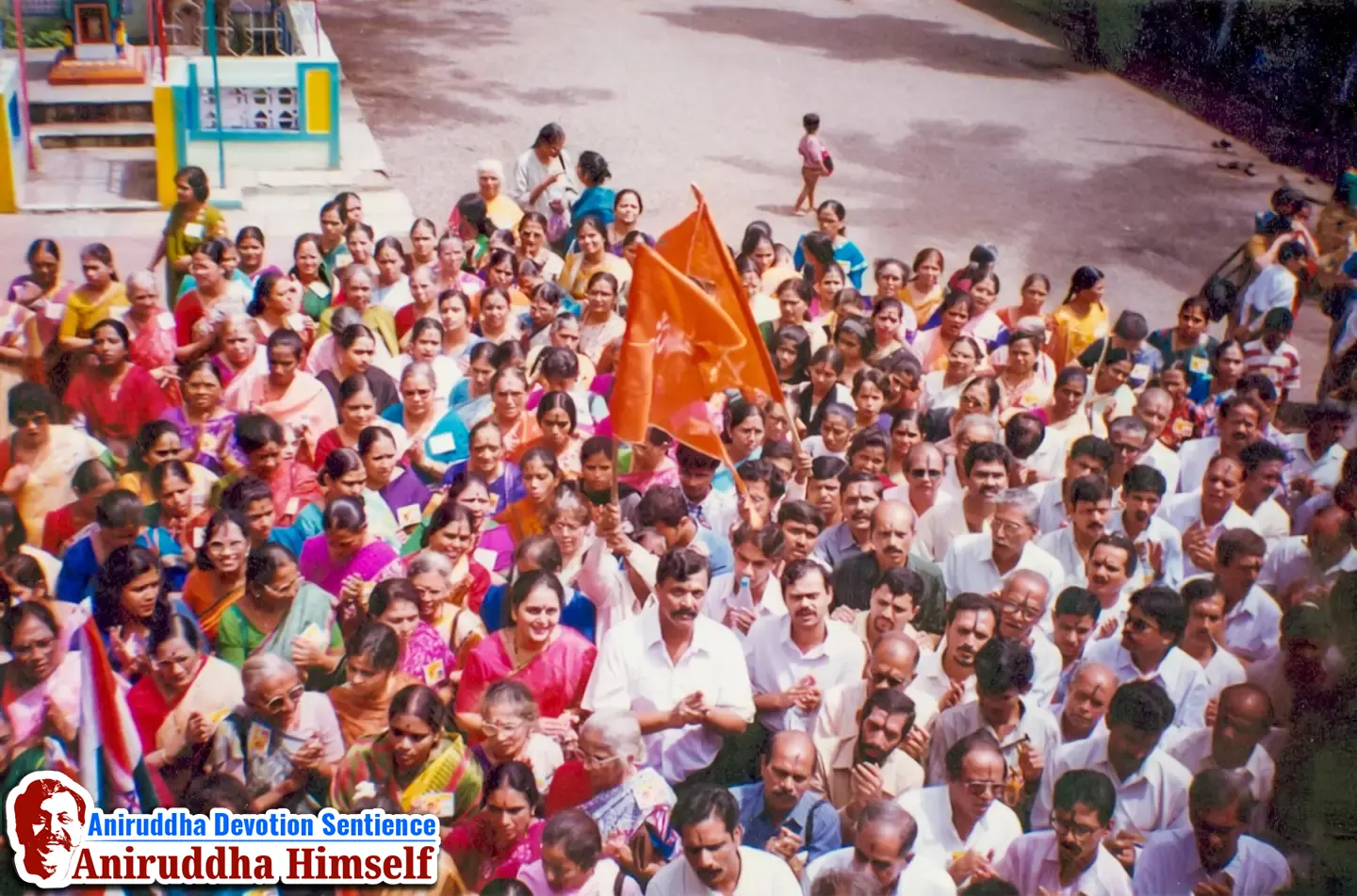
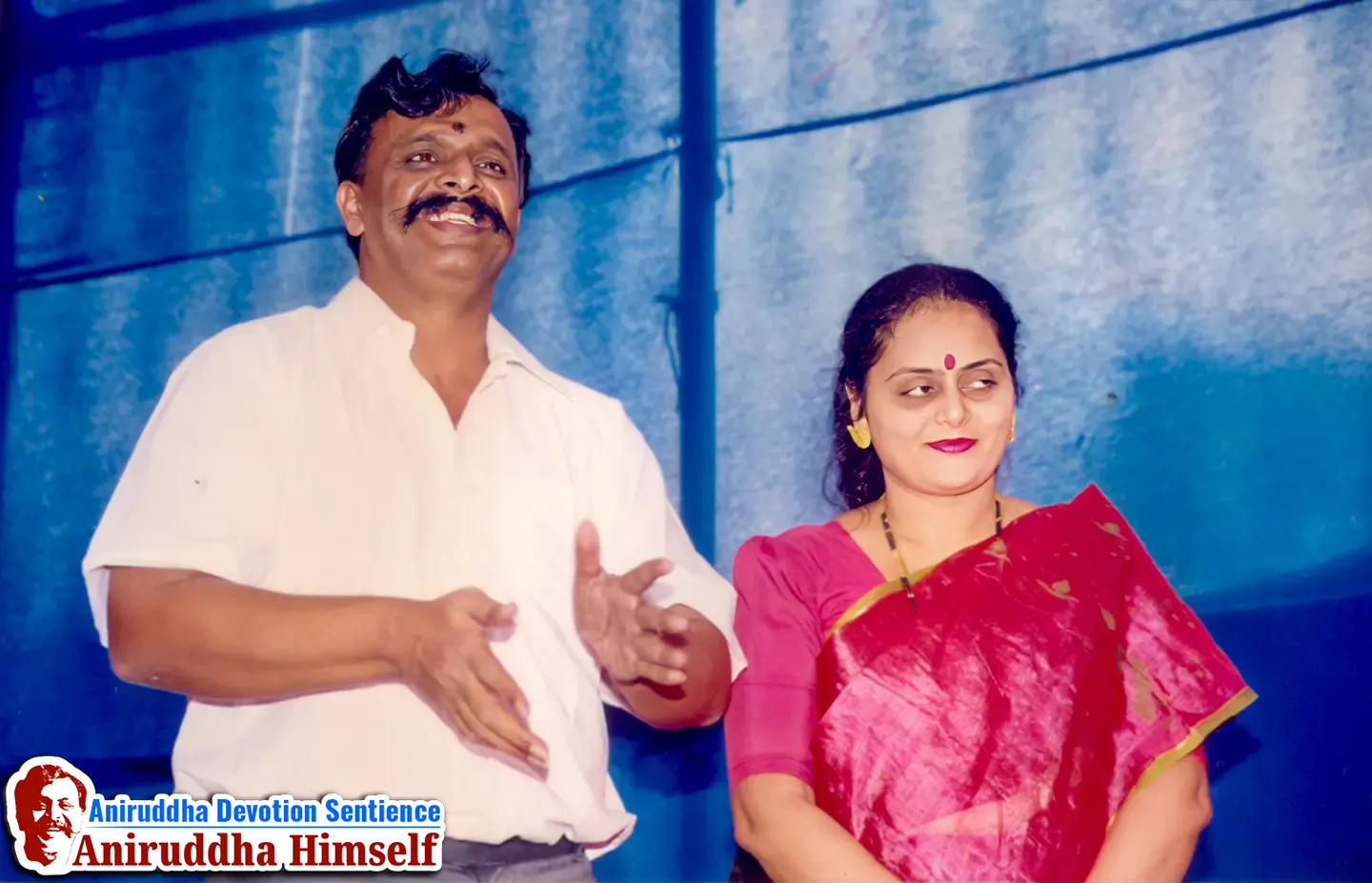
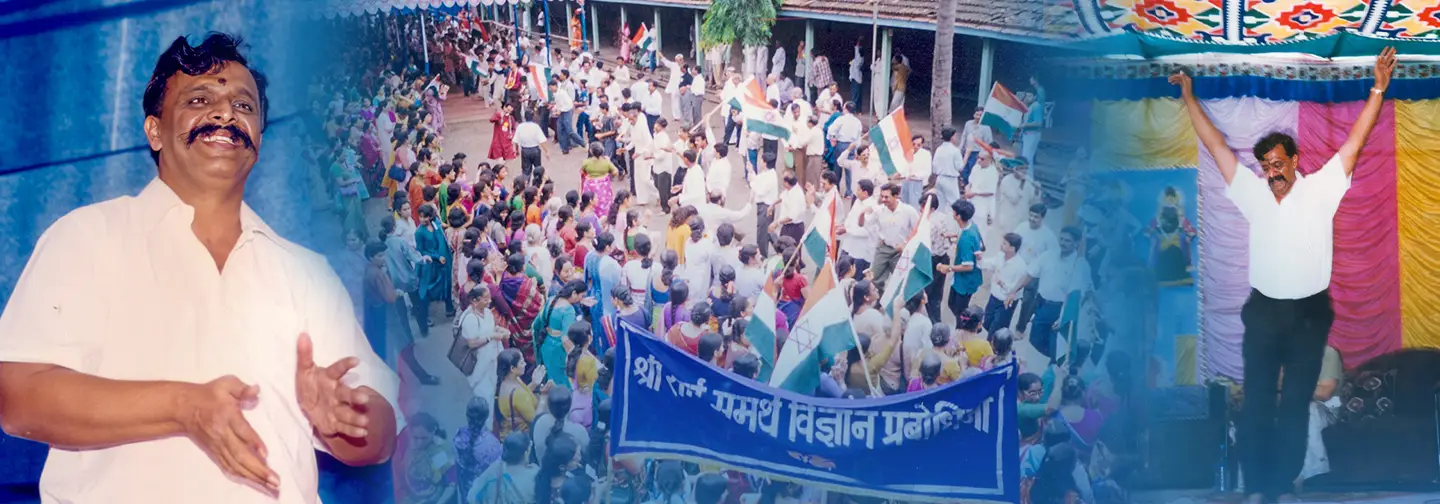
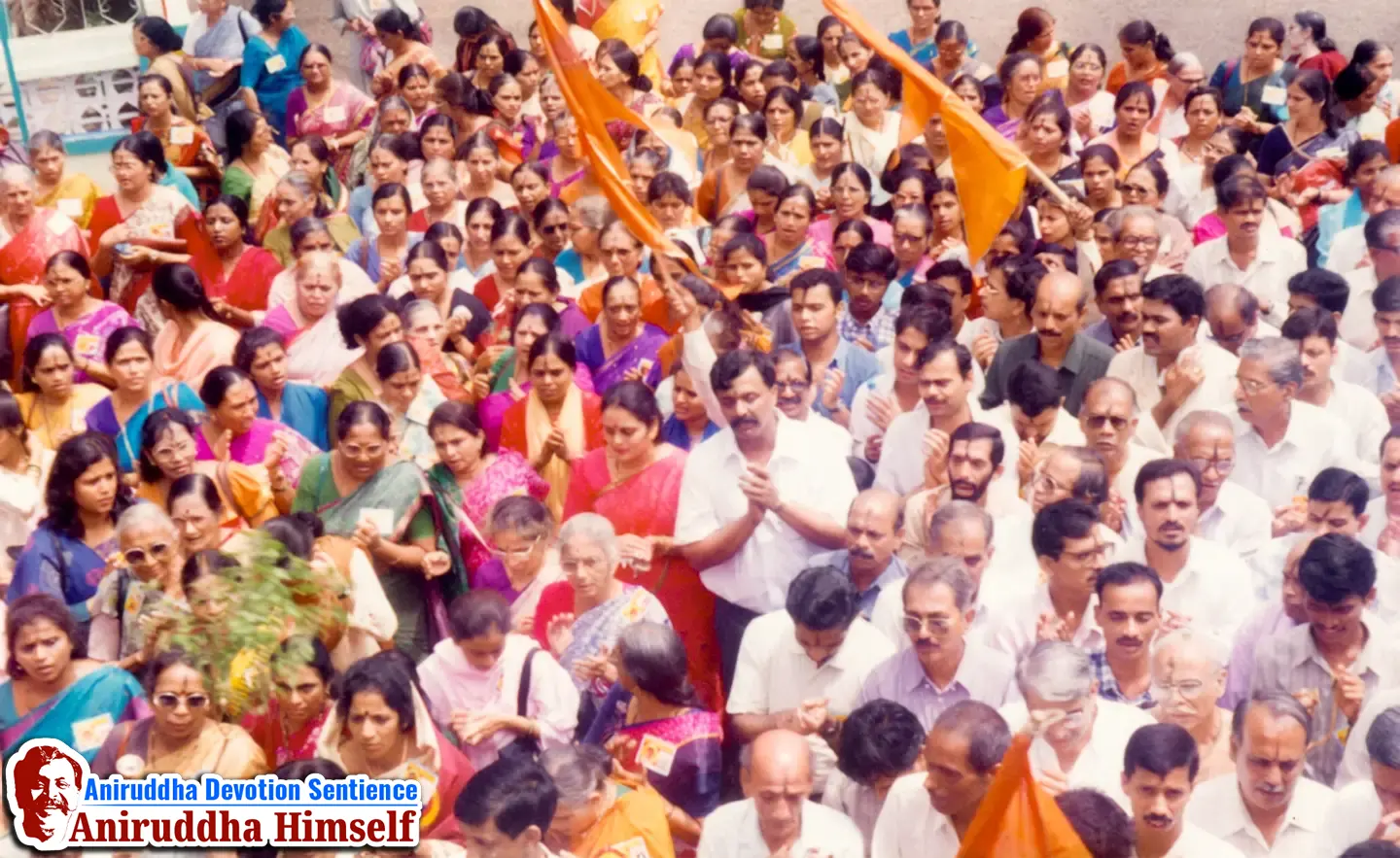
With this understanding, the Dindi commenced as a heartfelt expression of love and gratitude towards the sacred works of the saints—Dnyaneshwari, Eknathi Bhagwat, Saint Tukaram's Gatha, and the Shree Sai Satcharita. As the holy Granthas were carried with reverence, the air reverberated with the joyous chants of "Jai Jai Ram Krishna Hari!" and "Dnyanoba Mauli Tukaram!" Every Shraddhavan danced with unrestrained devotion, offering each step as a tribute to the saints whose words continue to guide seekers towards the Lord. The joy of the occasion reached its peak with the loving participation of Sadguru Shree Aniruddha in the procession. In those moments, the Dindi resembled the sacred Vari itself, where devotees journey together towards Lord Vitthal, with the Sadguru leading the way.
Evening Filled With Devotion
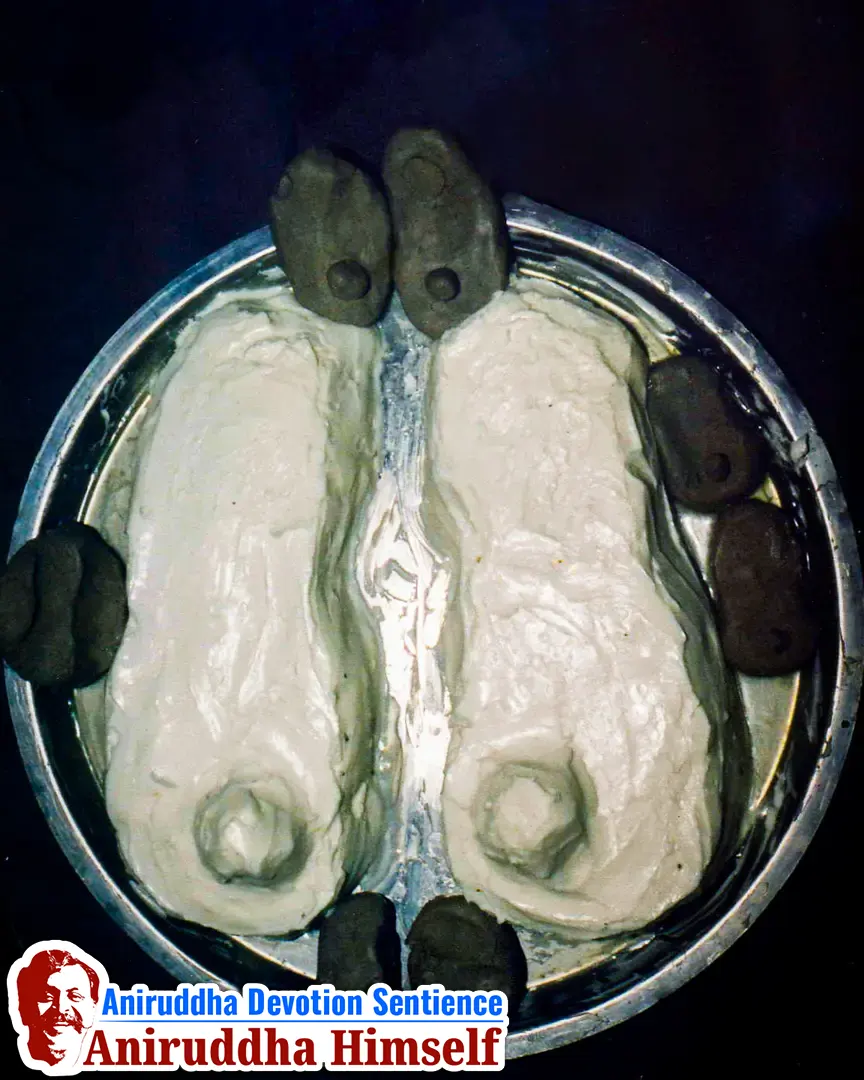
Later that evening, the Shraddhavans were each given a small piece of potter's clay and lovingly guided to mould the symbolic Padukas of Sant Dnyaneshwar Maharaj. As the clay gradually took the sacred form of the Padukas, every Shraddhavan experienced a deeply personal connection with the saint whose life was an embodiment of humility, wisdom, and unwavering devotion.
At the same time, following the instructions of Sadguru Shree Aniruddha, Appasaheb Dabholkar, the grandson of Govind Raghunath Dabholkar (Hemadpant), the revered author of the Shree Sai Satcharita, lovingly made an earthen Shivlinga from the same sacred clay. The Shivlinga was reverentially worshipped, after which the Padukas prepared by the Shraddhavans were also offered their due worship. Finally, the symbolic Dnyaneshwar Padukas were reverentially offered at the Shivlinga, beautifully symbolising the oneness of devotion, knowledge, and surrender.
Throughout this sacred Upasana, the hall resonated with the collective chanting of the Sant Dnyaneshwar Gayatri Mantra, whose divine vibrations filled every heart with peace and devotion. As the night deepened, the Shraddhavans were blessed with an extended and spiritually enriching Satsang in the divine presence of Sadguru Shree Aniruddha. So absorbing was the flow of Bapu's guidance and the bliss of His company that time seemed to stand still, and the Satsang continued until the first rays of dawn heralded the arrival of a new day.
Alandi: Where Devotion Flows Eternal
The second day of the Rasayatra was dedicated to seeking the blessings of the sacred places associated with Sant Dnyaneshwar Maharaj and the glorious Warkari tradition. The Shraddhavans had the blessed opportunity to offer their obeisance at the Samadhi of Sant Dnyaneshwar Maharaj, the sacred Ajanvruksha, and the Samadhi of Haibatbaba, each place carrying profound spiritual significance and preserving the timeless legacy of the saints.
During the course of the day, the Alandi Sansthan felicitated Sadguru Shree Aniruddha with great reverence and affection. The occasion was enriched by the sharing of cherished memories and inspiring accounts from the lives of the four saintly siblings - Sant Nivruttinath, Sant Dnyaneshwar Maharaj, Sant Sopandev, and Sant Muktabai. Their extraordinary lives of devotion, selfless service, compassion, and spiritual wisdom continue to illuminate the path of Bhakti and inspire generations of devotees.
As evening descended, the Shraddhavans participated in the Amritmanthan Upasana, immersing themselves in prayer and contemplation. Thereafter, everyone gathered on the serene banks of the sacred River Indrayani, lovingly revered as the Ganga of Alandi. In the presence of Sadguru Shree Aniruddha, the Gangapoojan was performed with deep devotion. Bapu Himself reverentially worshipped Indrayani Mata and performed the sacred Deep-Daan, offering the first illuminated lamp into the flowing waters.
Following His example, all the Shraddhavans gently released their lighted lamps into the sacred river. As countless flickering flames floated gracefully upon the waters of the Indrayani, the entire riverbank was transformed into a breathtaking spectacle of devotion. It was as though every lamp carried a silent prayer, every ripple reflected divine grace, and every heart found itself immersed in the boundless love of the Sadguru and the blessings of Sant Dnyaneshwar Maharaj.
The third morning dawned with Sadguru Shree Aniruddha Bapu lovingly recounting the life and spiritual greatness of Sant Tukaram Maharaj. Inspired by His words, the Shraddhavans then continued their sacred journey towards Dehu, the blessed abode of the saint.
Walking the Path of Bhakti
Upon reaching the sacred town of Dehu, the birthplace of Sant Tukaram Maharaj, the Shraddhavans had the blessed opportunity to seek darshan at the Sant Tukaram Mandir, the revered Vaikuntha-Gaman Vruksh, and several other places sanctified by the saint's divine presence. Every site echoed with the timeless legacy of Sant Tukaram Maharaj, inspiring the devotees to reflect upon his life of unwavering faith, humility, and complete surrender to Lord Vitthal.
Thereafter, Sadguru Shree Aniruddha unfolded the deeper spiritual purpose of the Rasayatras in His inimitable style. He lovingly reminded the Shraddhavans:
"Rasayatras may begin every year at different places, but the Rasayatra of life begins anew each day and flows endlessly."
With these profound words, Bapu shifted the focus from an outward pilgrimage to the inner journey that every seeker must undertake throughout life.
While explaining the true essence of Bhakti, Bapu introduced the concept of 'Dnyan-Vidnyankaarini Bhakti'. He explained:
"Knowledge and science must come together. What I like and what is true must converge. When a person is divided between desire and reality, fear arises. That fear disappears only when knowledge and science unite—and this union is possible only through Bhakti."
Bapu then beautifully connected this teaching with the very purpose of the Rasayatra:
"Sant Dnyaneshwar is the eternal, ever-flowing stream of Bhakti Ras. It was he who first kindled the lamp of Bhakti and divine love in this age. At a time when society had become entangled in rituals, Sant Dnyaneshwar awakened pure, compassionate, and elevating thoughts in people's hearts. Through this Rasayatra, that very stream of purity has touched our hearts, and we shall carry it home with us."
Drawing further inspiration from Sant Muktabai Maharaj's celebrated abhang, "Mungi Udaali Aakashi," (मुंगी उडाली आकाशी) Bapu revealed its deeper spiritual meaning:
"The tiny ant represents our faith. When faith completely permeates the heart, it gives a human being extraordinary inner strength."
Bapu concluded His discourse by reciting the cherished lines from one of His favourite poems.
"Denaryane Det Jaave, Ghenaryane Ghet Jaave, Ghenaryane Ek Divas Denaryache Haath Ghyave." (देणाऱ्याने देत जावे घेणाऱ्याने घेत जावे घेणाऱ्याने एक दिवस देणाऱ्याचे हात घ्यावे')
He then explained their profound message with characteristic simplicity:
"One who receives must strive to make one's own hands worthy of giving, just like the one who gives."