Importance of the Utsav
The human body contains 108 power centres (Shaktikendras) in the Pranamay Deha of human being. Of these, in Kaliyuga, only 45 are inherently auspicious, and even they function fully only in those whose Bhakti is deep and steadfast; otherwise, they too fail to function to their full potential. Fifty-two of these centres lie dormant and inactive, while the remaining eleven become gateways through which negative forces gain entry. These eleven centres are particularly vulnerable to the influence of Kali, who, through them, gradually weakens and renders the other power centres increasingly inactive and ineffective.
Through the Shree Varadachandika Prasannotsav, the dormant centres within Shraddhavans were awakened and activated towards the righteous path, while those centres that had come under the influence of Kali were liberated from its hold, and the number as well as the strength of the auspicious centres within the body was increased,
- Matruvatsalya-vindanam
As explained in Matruvatsalya-vindanam, a sacred work describing the eminence and glory of Shree Jagdamba, the wisdom, bhakti, self-confidence, divine protection, and grace that it bestows together form Mantramalini, the ninth manifestation of Mahishasuramardini. The Shree Varadachandika Prasannotsav is the phalashruti (the fruition and culmination) of this manifestation. - Kanthakoop Pashan Poojan
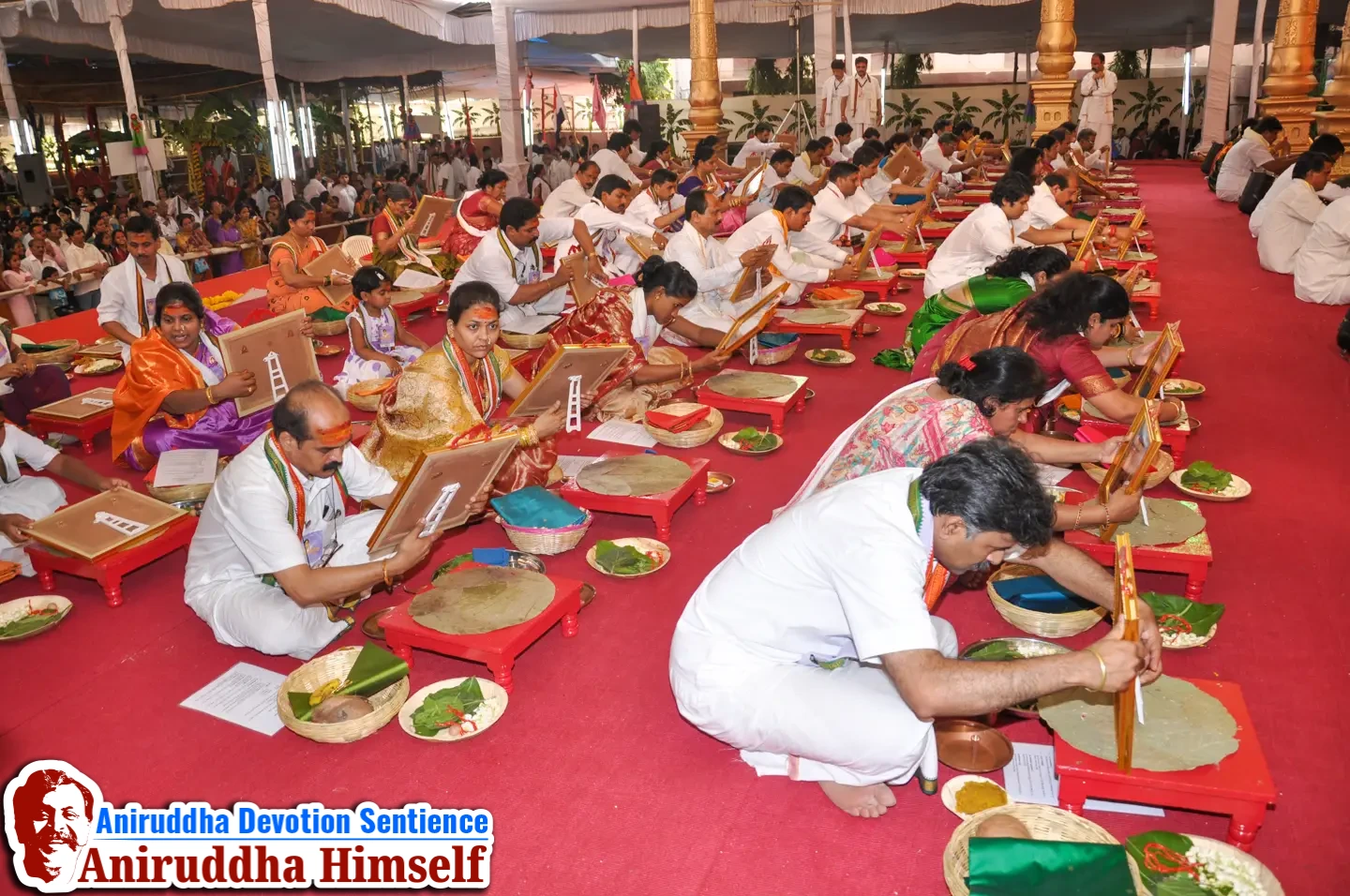
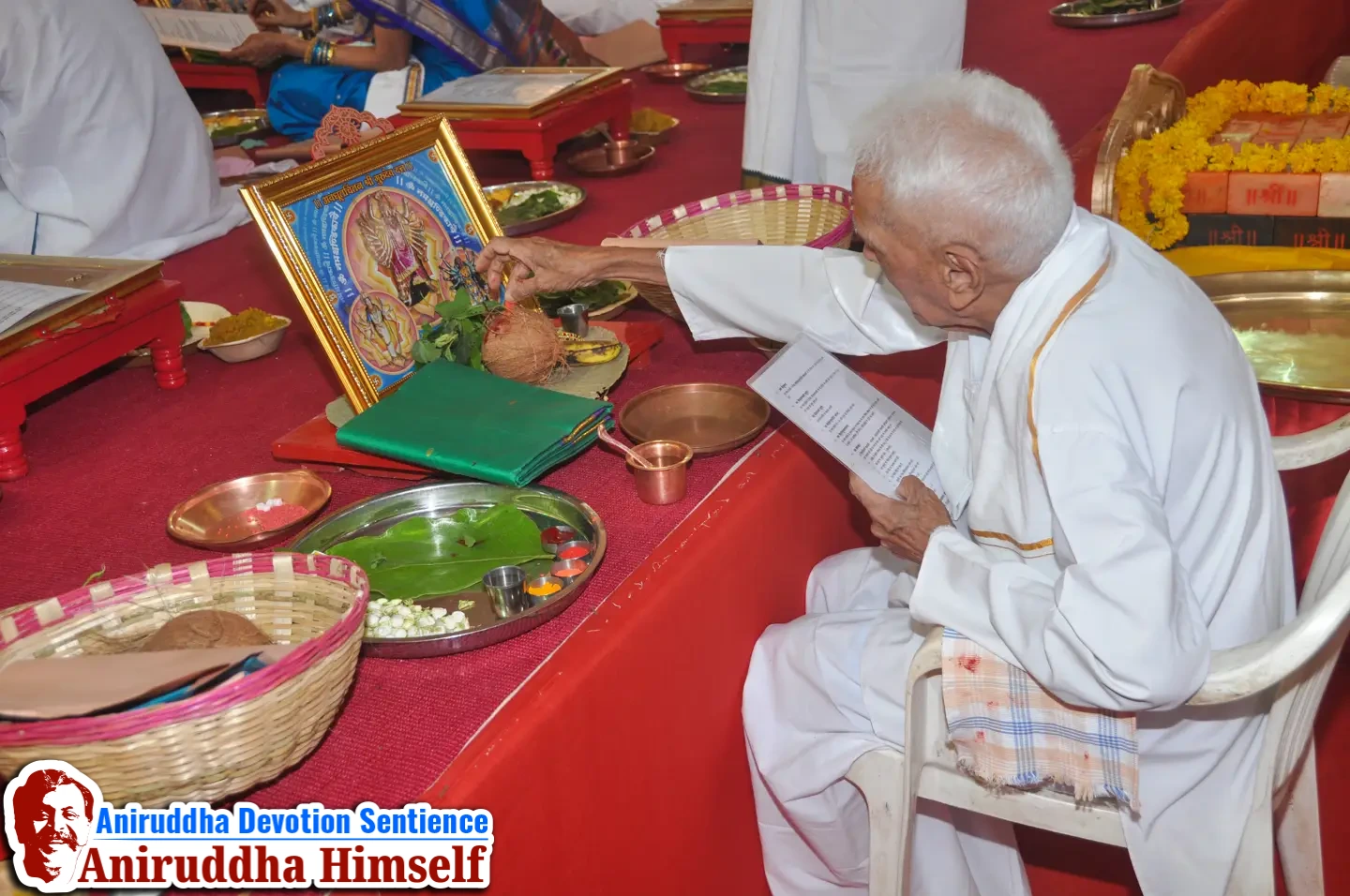
A few months before the commencement of the Shree Varadachandika Prasannotsav, every Shraddhavan who wished to participate was blessed with the opportunity to take the sacred Shreekanthakoop Pashan to his or her home and perform Shree Devipoojanam. The Shreekanthakoop Pashan was first worshipped by Sadguru Shree Aniruddha Bapu at Shree Harigurugram. Thereafter, thousands of Shraddhavans joyfully and lovingly worshipped the sacred stone in their own homes.
Every Shraddhavan welcomed the Shreekanthakoop Pashan with the unwavering faith and heartfelt sentiment that its arrival in their home was, in truth, the arrival of Aadimata Herself. This sacred observance marked the sacred beginning of the Shree Varadachandika Prasannotsav.
The Three Divine Forms of Chandika
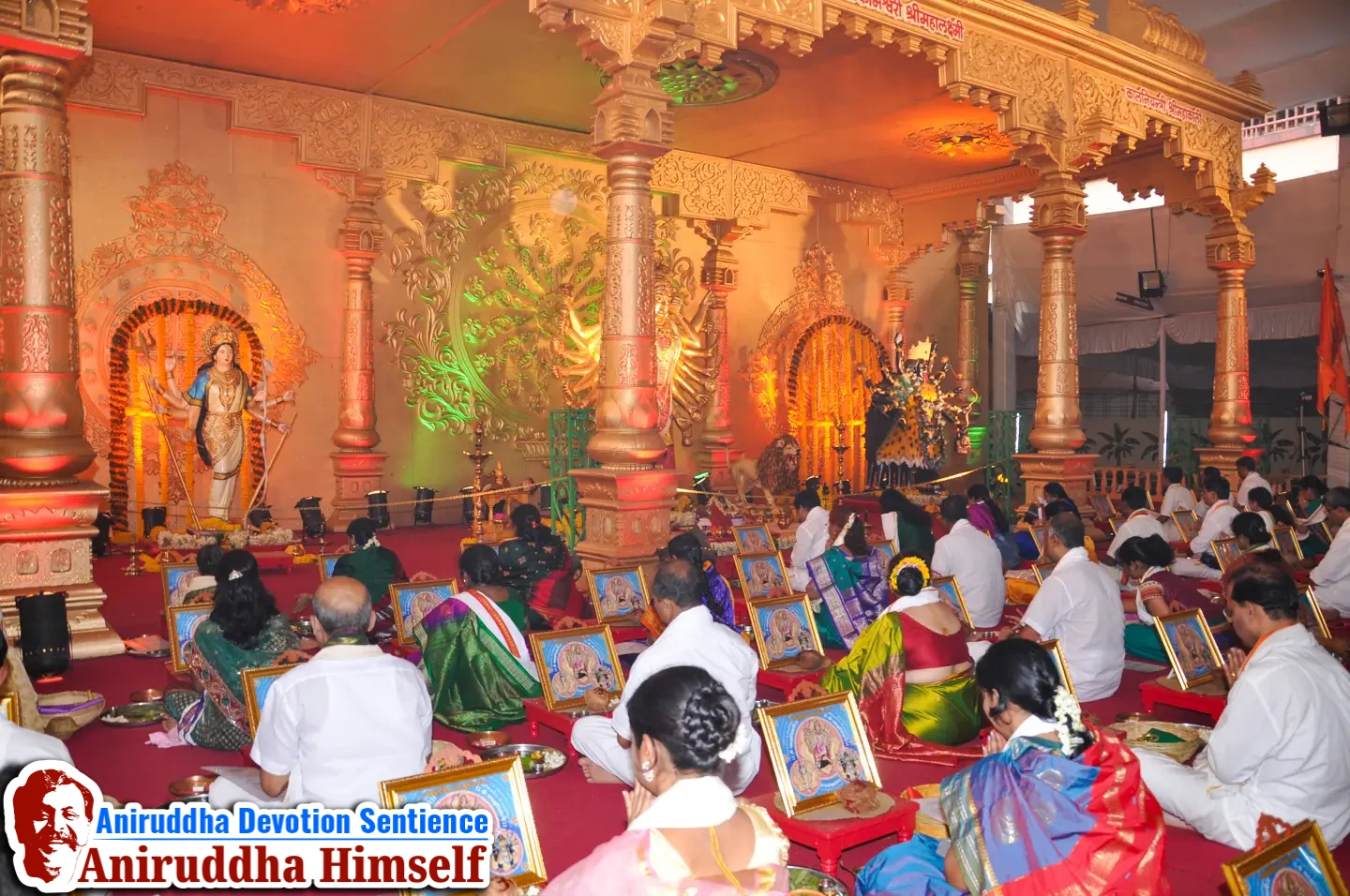
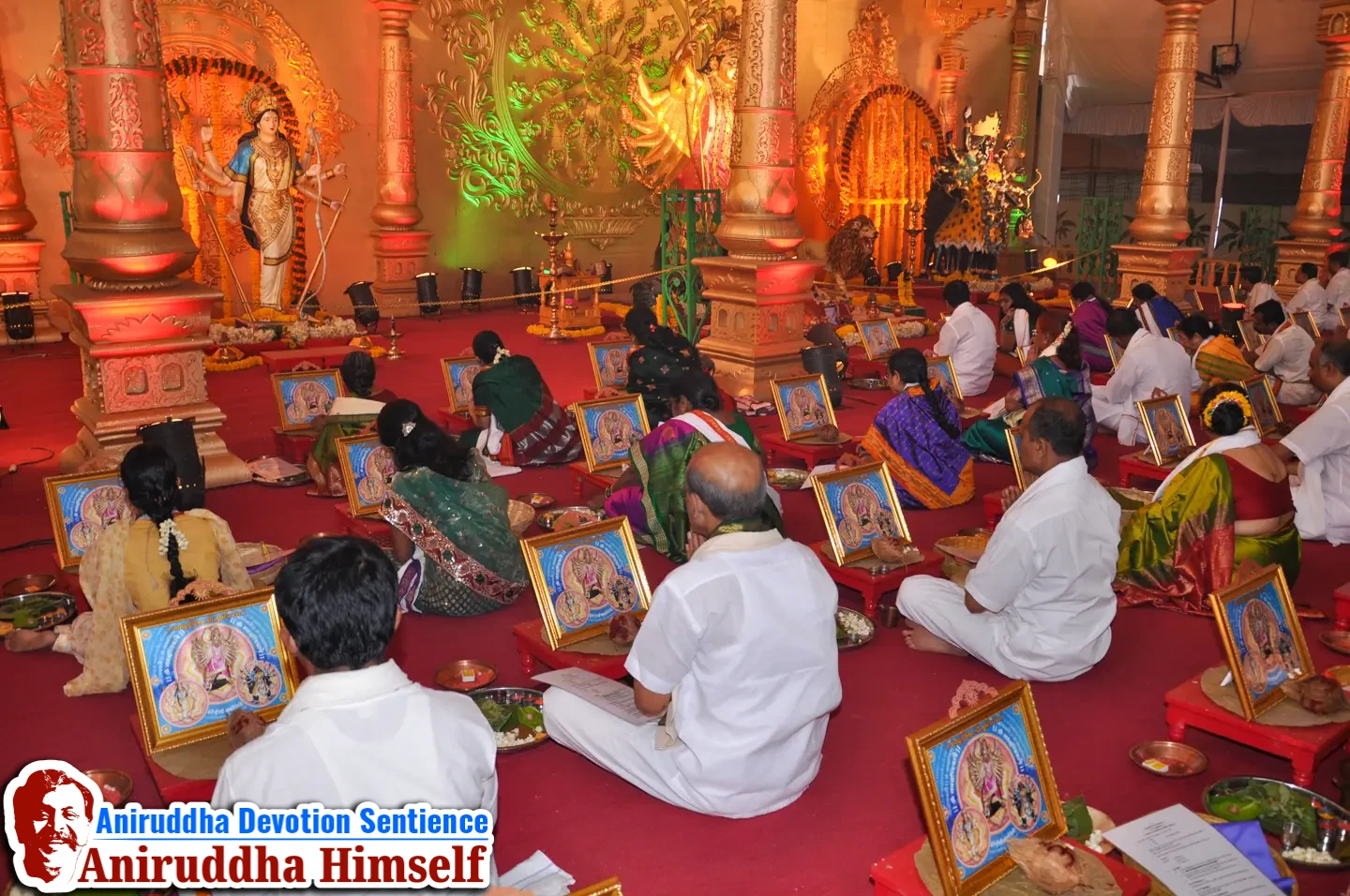
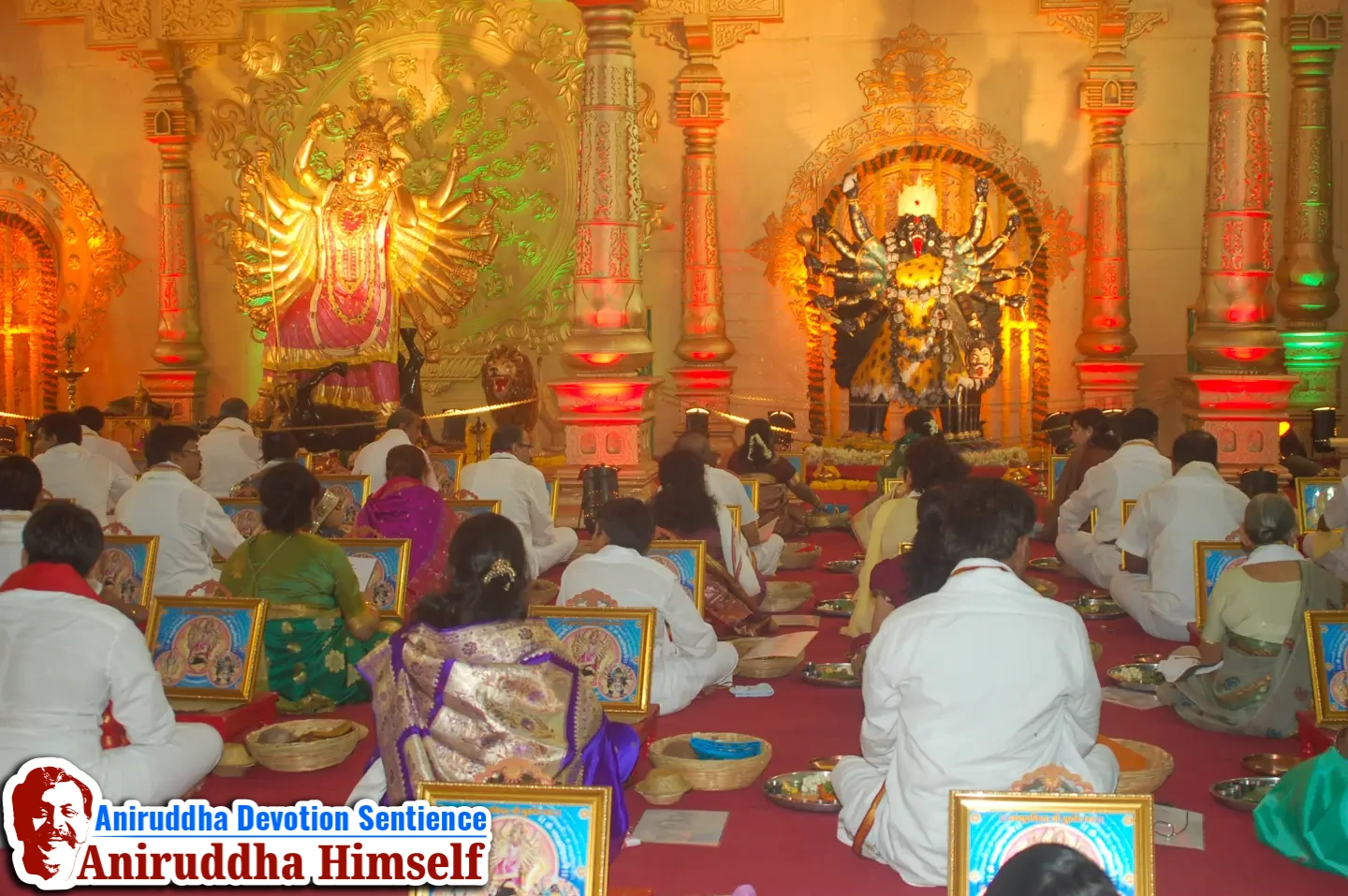
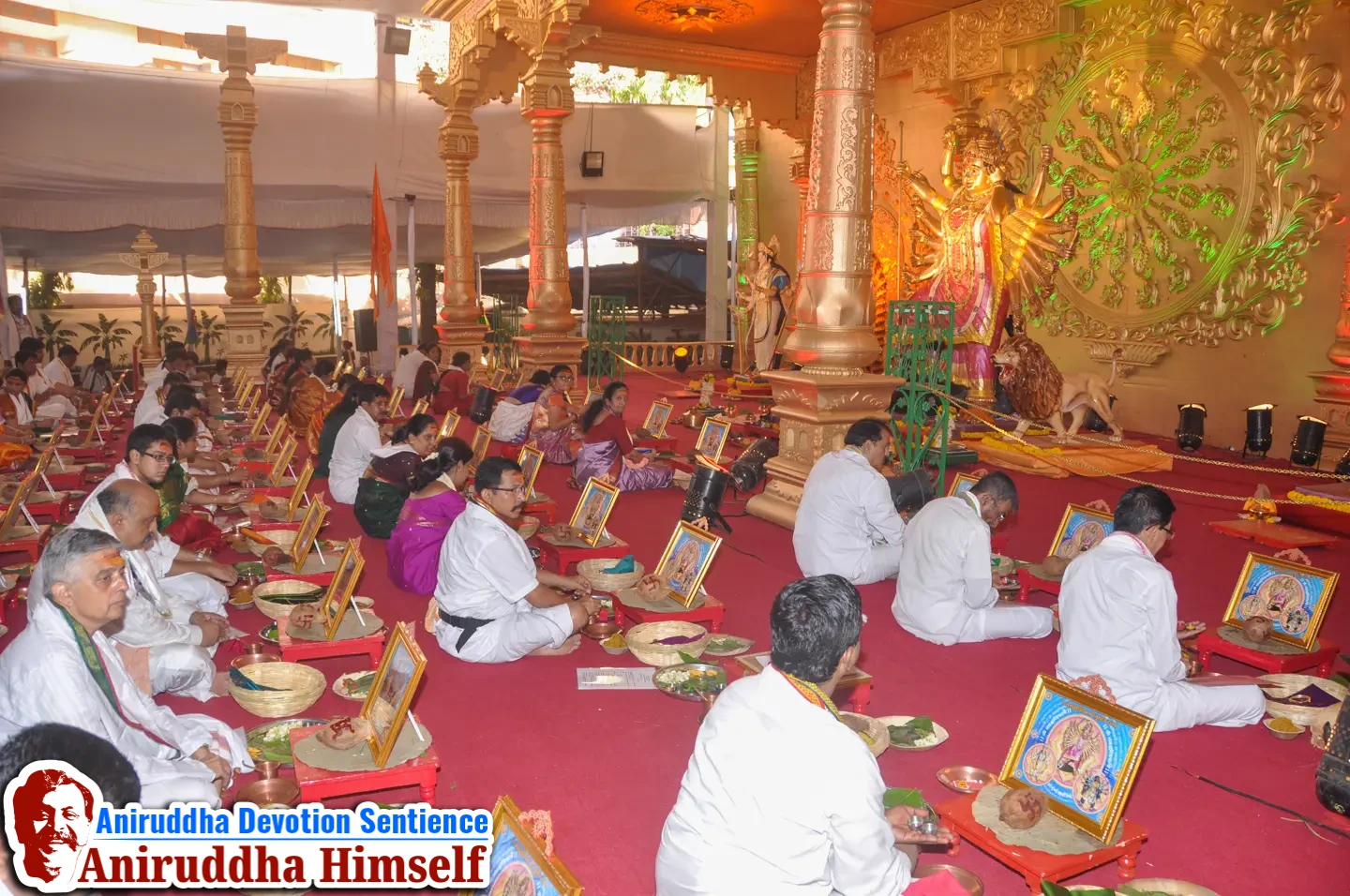
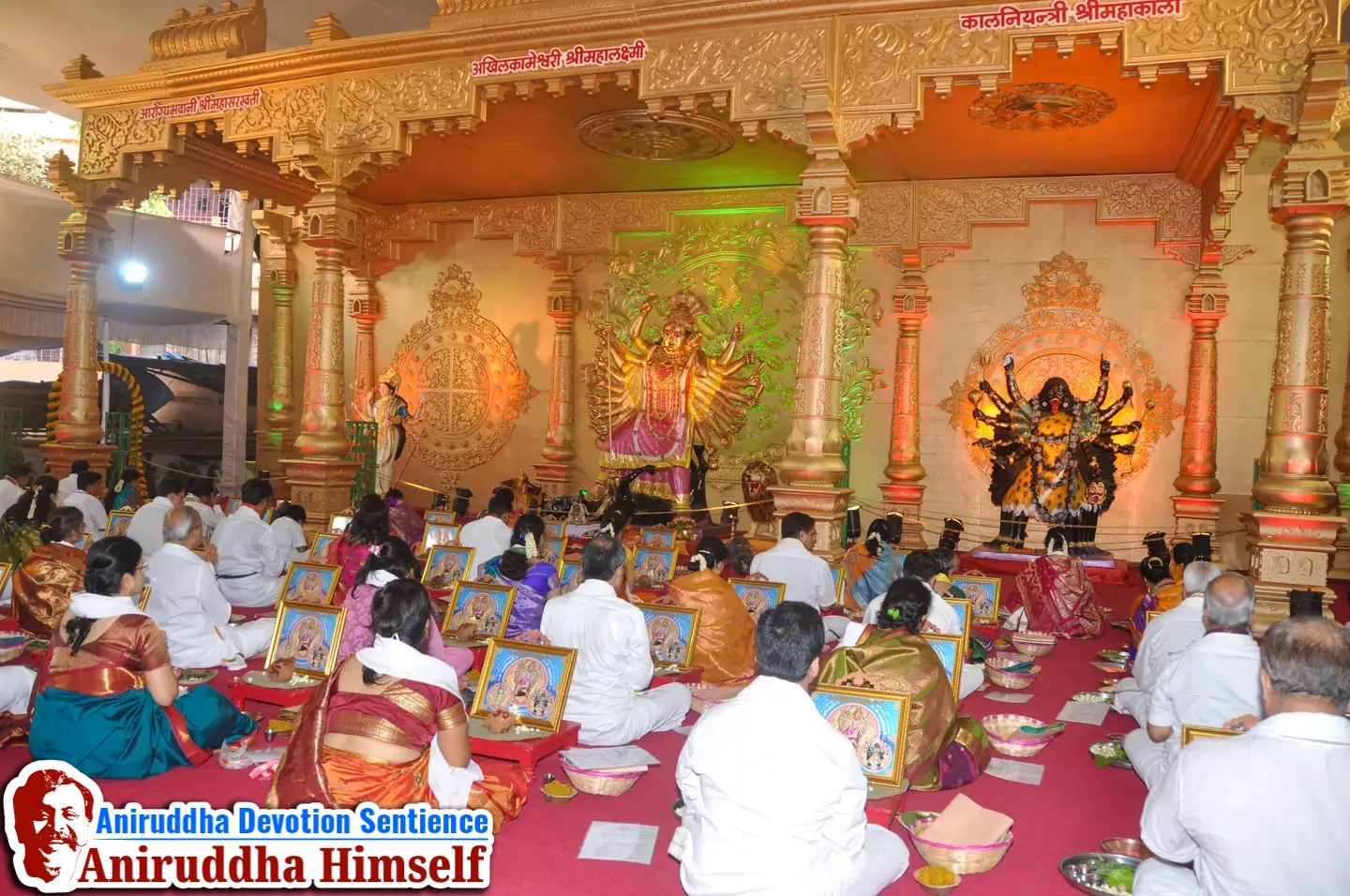
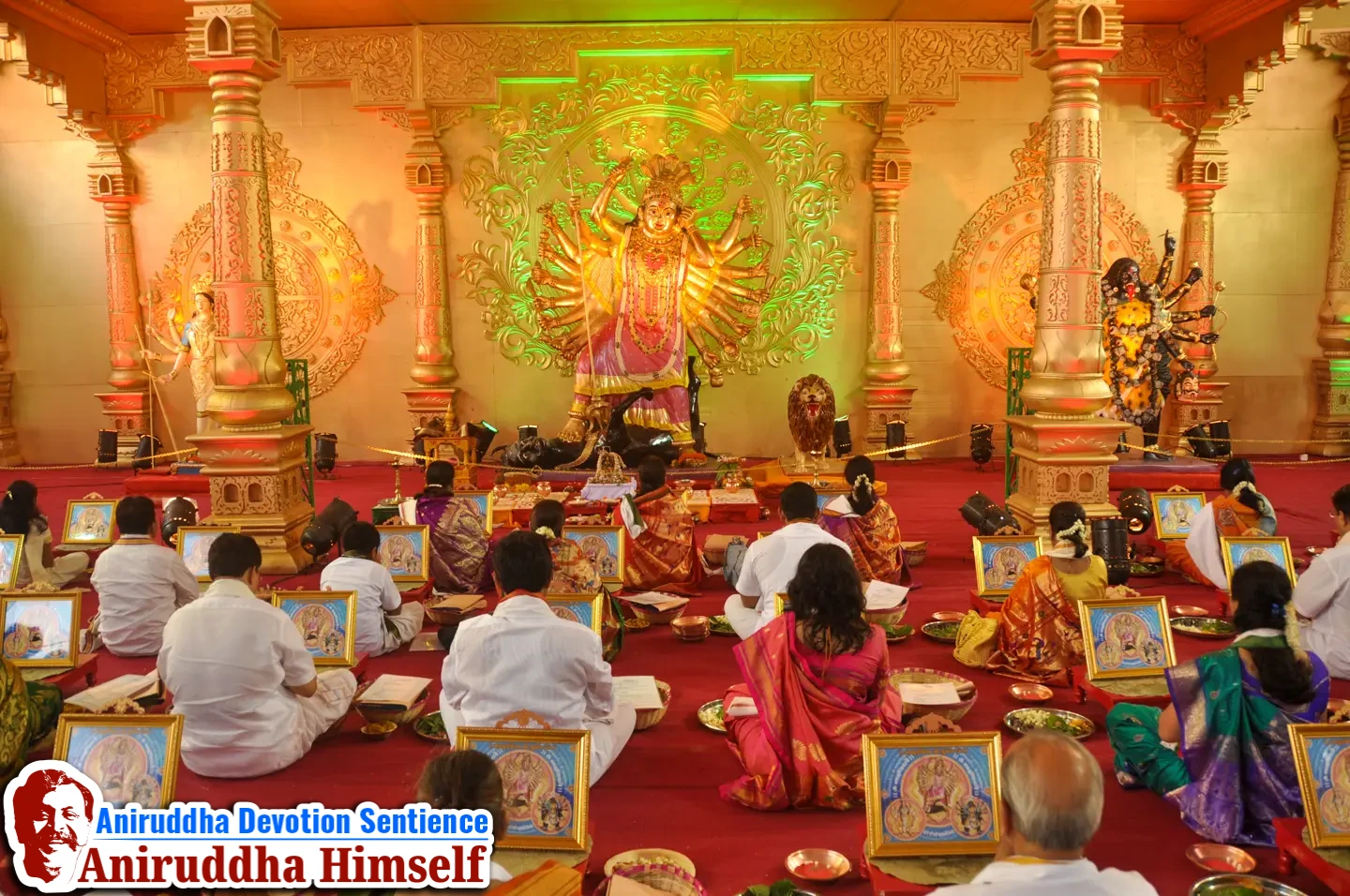
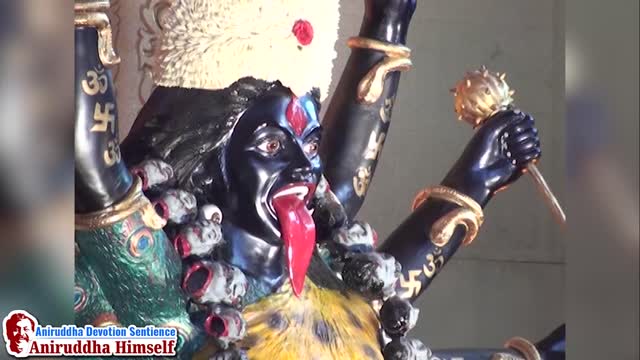
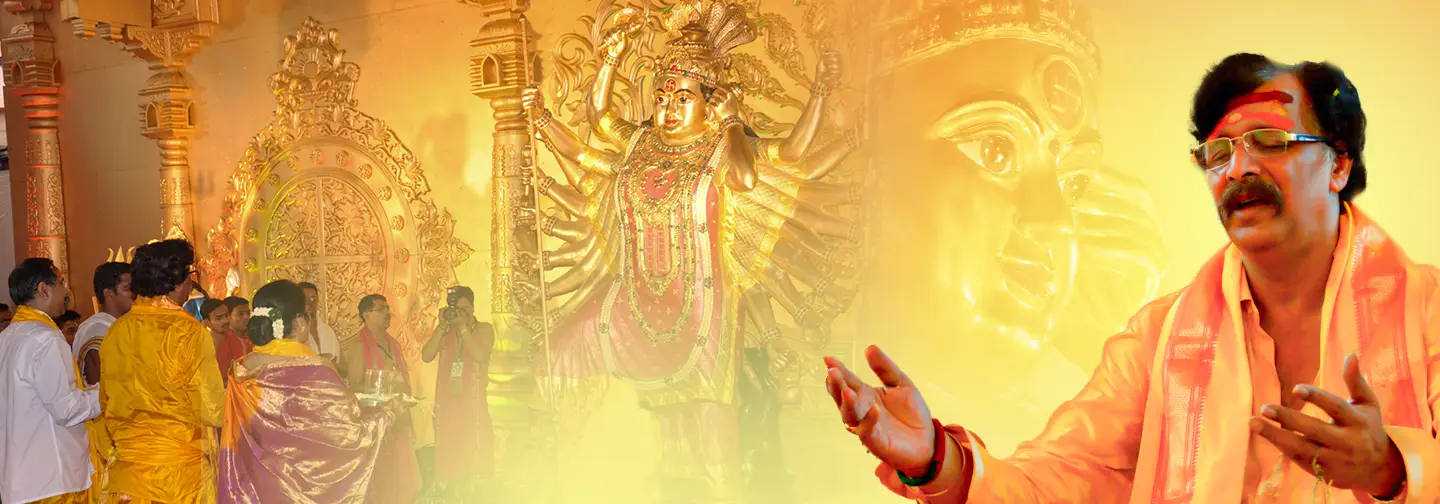
The Shree Varadachandika Prasannotsav was truly unique in many ways. Three principal manifestations of the Divine were worshipped during this sacred Utsav. These were Akhil Kameshwari—the manifestation of Mahishasuramardini, the destroyer of all that is inauspicious; Kalaniyantrak—the manifestation of Mahakali; and Arogya Bhavani—the manifestation of Mahasaraswati.
During the Utsav, the sacred murtis of all three manifestations were enthroned on the main stage at Shree Harigurugram. Akhil Kameshwari occupied the central position, with Kalaniyantrak installed to Her right and Arogya Bhavani to Her left.
Throughout the ten days of the Shree Varadachandika Prasannotsav, worship was offered to these three manifestations of Mahishasuramardini, who remove obstacles and afflictions related to the three fundamental aspects of life—Kaal (Time), Kaam (Righteous Desires), and Arogya (Health).
Every day during the Utsav, Mahapoojan was performed, while continuous Nityajap took place from 7:00 a.m. until 10:00 p.m. Naivedya was offered three times a day, followed by Mahabhog in the evening. Each day featured a different Mahabhog from a set of nine sacred offerings, and along with it, water from a different sacred river was ceremonially offered to the Deities.
The Maha Aarti was performed daily at 1:00 p.m. and again at 9:00 p.m., both led by Sadguru Shree Aniruddha Bapu Himself. Shraddhavans were also blessed with the opportunity to perform Mahapoojan during the Utsav.
-photos/aniruddha-bapu-varada-chandika-prasannotsav-deity-photos-08.webp)
-photos/aniruddha-bapu-varada-chandika-prasannotsav-deity-photos-01.webp)
-photos/aniruddha-bapu-varada-chandika-prasannotsav-deity-photos-04.webp)
Sahastra Chandi Yadnya — A Fountain of Divine Strength
A Sahasra Chandi Yadnya was conducted before the three main manifestations of the Adimata throughout the Utsav.
The following three mantras were recited continuously as one complete cycle:
१) ‘ॐ ऐं र्हीं क्लीं चामुण्डायै विच्चे’ (Om Aim Hreem Kleem Chamundayai Vichche)
२) ‘नतभ्यं-सर्वदा-भक्त्या चण्डिके दुरितापहे । रुपं देही, जयं देहि, यशो देहि, द्विषौजहि।’
(Natabhyam Sarvada Bhaktya Chandike Duritapahe ।
Rupam Dehi, Jayam Dehi, Yasho Dehi, Dvisho Jahi ॥)३) ‘ॐ नमश्चण्डिकायै’ (Om Namashchandikayai)
These three mantras together formed one set, which was recited continuously throughout the Yajna. In addition, the Durga Saptashati was recited daily at 2:00 p.m. and again at 8:30 p.m. To perform this sacred Yajna, 108 specially trained priests were appointed.
The Sahasra Chandi Yajna was a rare spiritual blessing for devotees. Every Shraddhavan had the opportunity to participate in and have the darshan of the Yajna without any fee, offering, or prerequisite. This sacred Yajna bestowed upon devotees the strength, determination, and inner resolve to strive for and become worthy of receiving the boundless grace of Mata Chandika.
Mahakali Kund — Destroying the Eleven Inner Demons
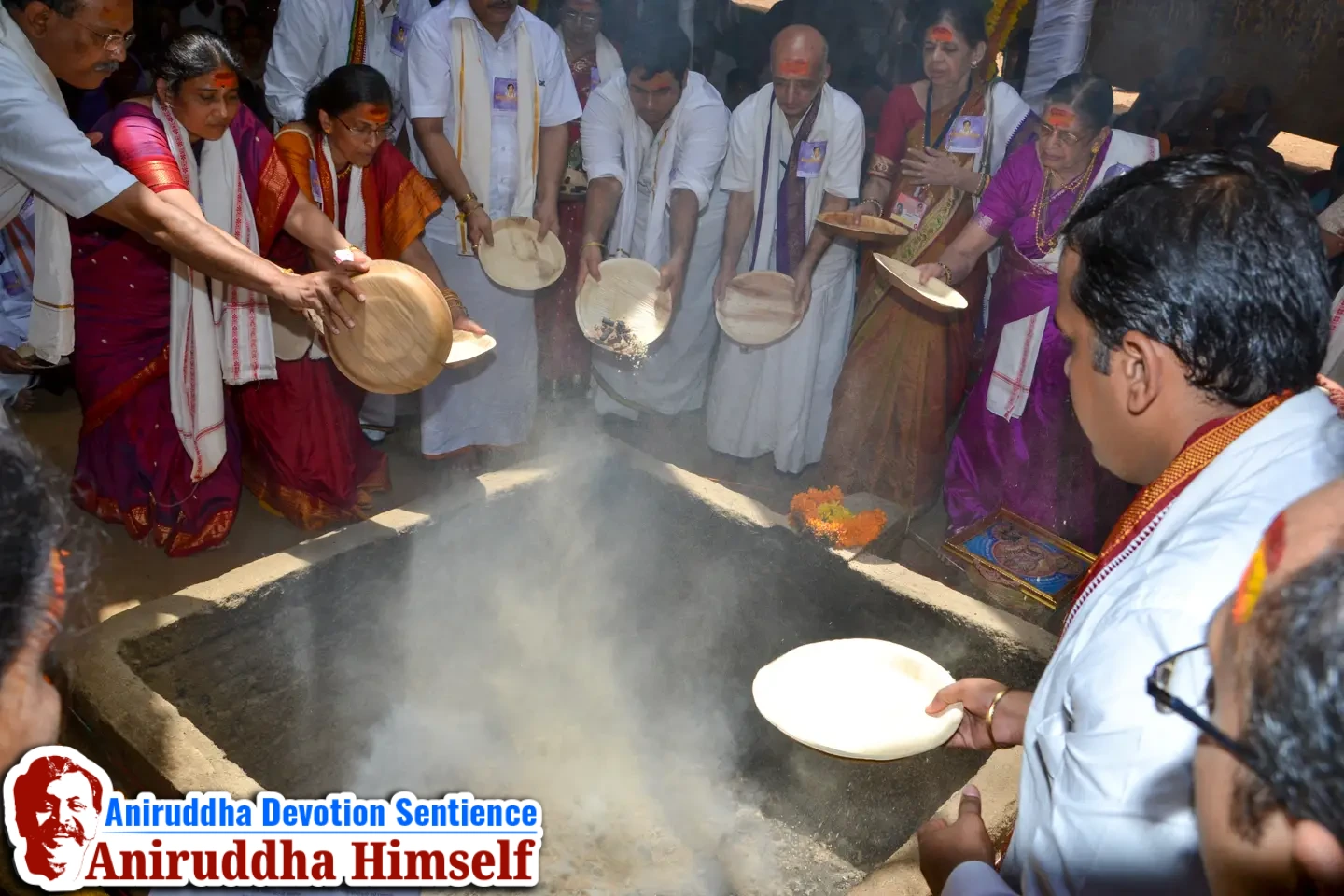
As part of the Shree Varadachandika Prasannotsav, a sacred Mahakali Kund was created to weaken the Kali (कली) centres present within the Pranamaya Deha (the vital energy body) of human beings.
The Mahakali Kund featured symbolic representations of the eleven demons slain by Mahakali—Madhu, Kaitabha, Mahishasura, Shumbha, Nishumbha, Raktabeeja, Dhumralochana, Asiloma, Chanda, Munda, and Ravana—each depicted in their defeated state. These eleven demons symbolically represent the eleven centres within the human body that come under the influence of Kali. As Sadguru Shree Aniruddha Bapu explains, "She who destroys Kali is Kali."
Shraddhavans voluntarily offered Asura Dahana Dravya (the sacred offering for the destruction of the demonic tendencies) into the Mahakali Kund. This offering was entirely voluntary and was not obligatory for anyone.
- Mahalakshmi Deep
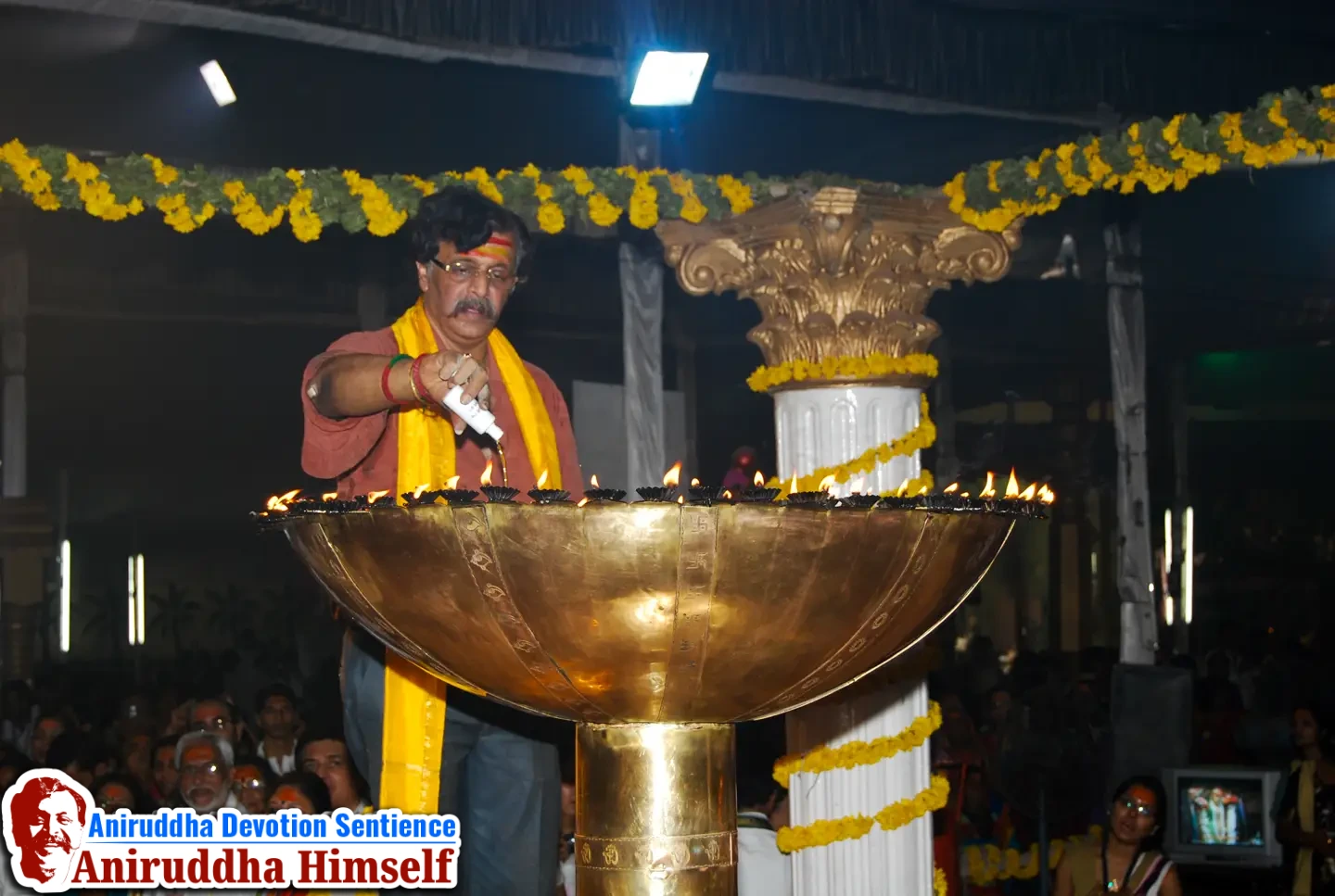
Another unique blessing made available to Shraddhavans during the Shree Varadachandika Prasannotsav was the Mahalakshmi Deep. With the sacred resolve (sankalp) of Sadguru Shree Aniruddha Bapu, all fifty-two Shakti Peethas were symbolically established within this sacred lamp.
The Mahalakshmi Deep was adorned with fifty-two flames, each representing one of the revered Shakti Peethas. Shraddhavans offered Surasneha Dravya into these sacred flames. This arrangement was made so that devotees could receive the blessings (punyaphala) associated with undertaking the pilgrimage to all fifty-two Shakti Peethas through this symbolic act of worship.
Beyond its symbolic significance, the Mahalakshmi Deep embodied a profound spiritual purpose. In this age of Kali, many of the divine energy centres (Shakti Kendras) within human beings have become dormant. The worship of the Mahalakshmi Deep was intended to reactivate and strengthen these dormant centres, thereby enabling Shraddhavans to progress on the path of spiritual upliftment.
- MahaSaraswati Vapi
Another sacred opportunity made available by Sadguru Shree Aniruddha Bapu during the Shree Varadachandika Prasannotsav was the Mahasaraswati Vapi, established to strengthen the forty-five Shubhankara centres within the Pranamaya Deha (the vital energy body) of human beings.
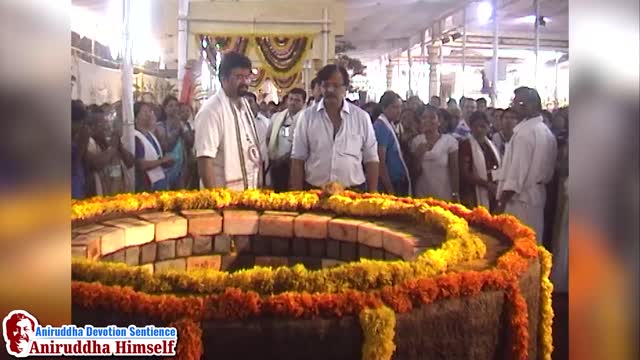
The word Vapi means a well. This sacred Vapi was constructed using 720 Shreekanthakoop Pashans. Each of these sacred stones was duly consecrated through prescribed mantras and rituals. Their sanctification was carried out through the recitation of the Sanatana Devi Suktam, selected prayers from the Shreemad Purushartha Grantharaj, and an important passage from the Shree Ramrasayan, followed by their ceremonial worship.
Shraddhavans voluntarily offered Mangalya Dravya into the Mahasaraswati Vapi. Mangalya Dravya consisted of turmeric, vermilion (kumkum), and abir. After the conclusion of the ten-day Utsav, all these consecrated Shreekanthakoop Pashans were used to construct the foundation of the Chandika Garbhagriha i.e. the sanctum sanctorum at Shree Purushartha Aniruddhadham. Thus, these sacred stones found their permanent place as an integral part of the sanctum sanctorum itself.
Shatrughneshwari Poojan — The Fierce Form of Raktadantika
Another distinctive event in the Shree Varadachandika Prasannotsav was the Shatrughneshwari Poojan—the worship of Shatrughneshwari, the fierce manifestation of Raktadantika, the fourth incarnation of Mahishasuramardini.
Human life is often beset by hardships and adversities. The root cause of many of these difficulties lies within, in the form of the Shadripus (the six foes of good life and spirituality) such as anger, ego, greed, temptation, jealousy, and delusion. The worship of Shatrughneshwari during this Utsav was performed with the prayer that both these inner enemies and the external obstacles arising from them may be destroyed.
A magnificent murti of Raktadantika in Her awe-inspiring and fierce form was installed in the hall for this sacred worship. Shraddhavans had the opportunity to sit before the murti and perform the Poojan. At the conclusion of each batch of worship, the curtain before the murti was ceremonially drawn open to the resounding beats of aarti, granting devotees the powerful darshan of Raktadantika.
Even the Aarti, accompanied by the stirring sound of the Ranavadya, was unlike any other, reflecting the majestic and formidable nature of the Goddess. Though awe-inspiring and fierce in appearance, She was, for every Shraddhavan, the ever-loving and compassionate Divine Mother.
Shree Durgavarada Hom
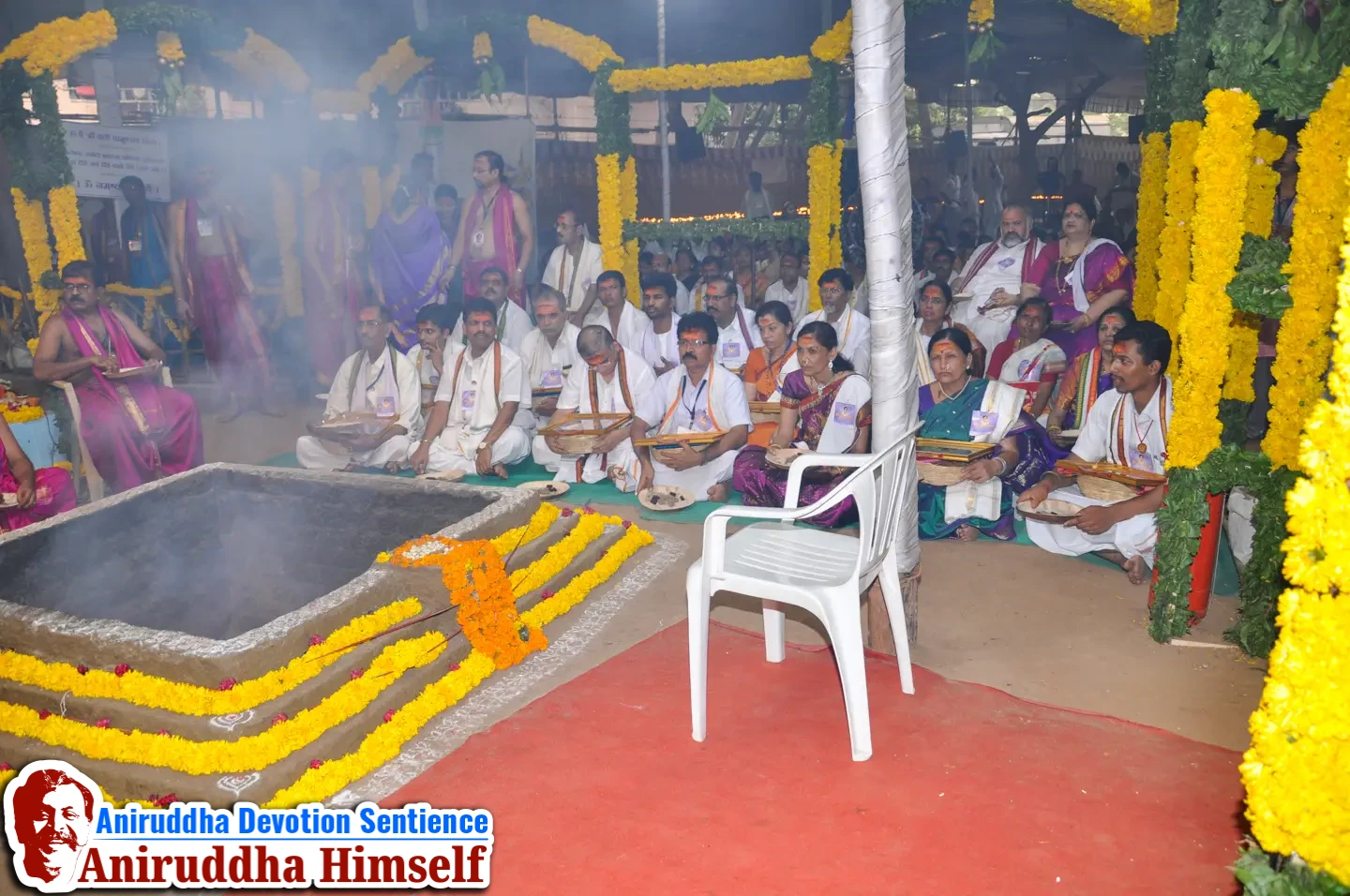
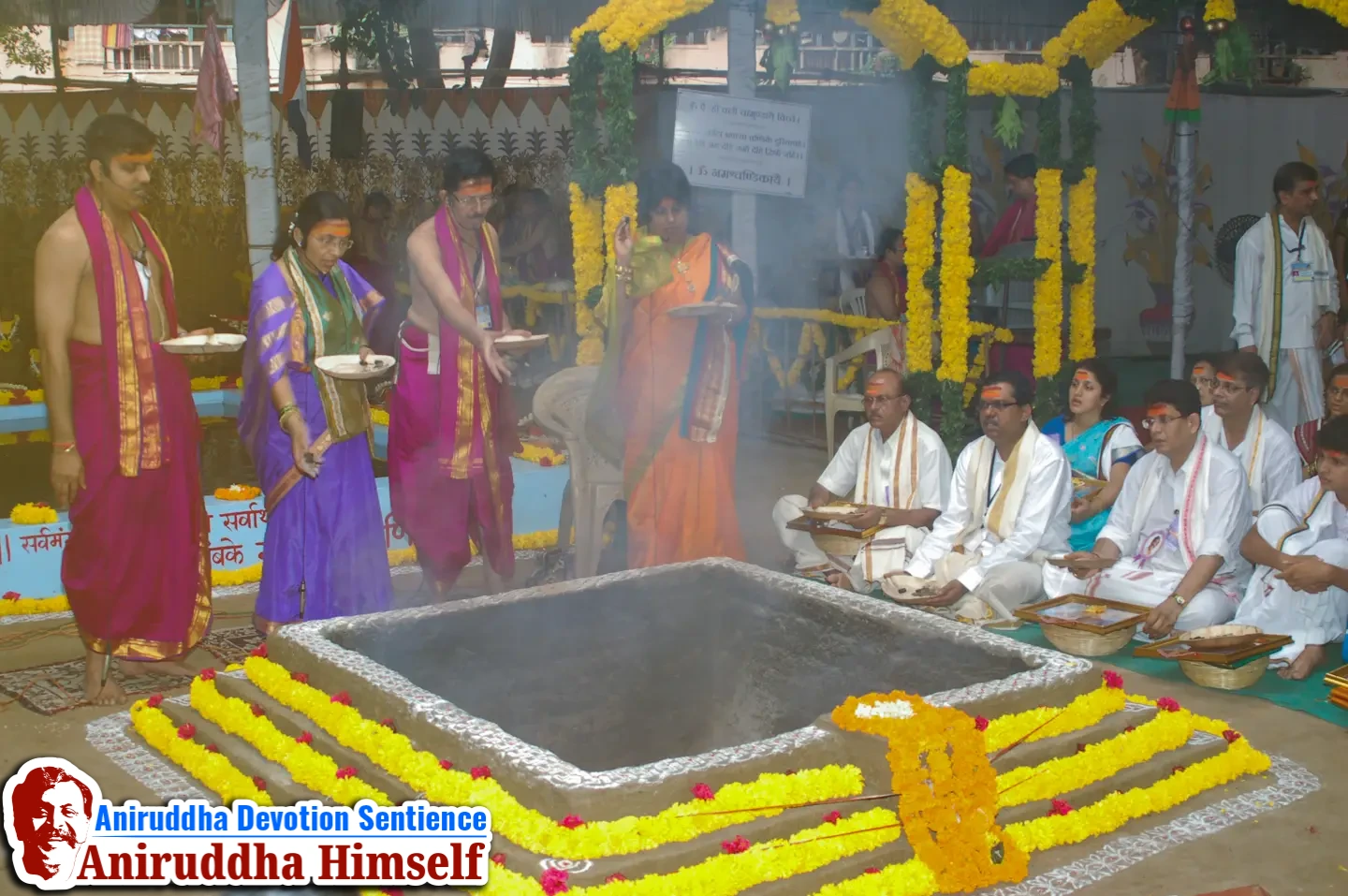
Another important feature of the Shree Varadachandika Prasannotsav was the Shree Durgavarada Homa. The Shree Durgavarada Homa was performed to grant devotees the strength to effortlessly undertake the sincere efforts required to receive the grace of Mata Chandika.
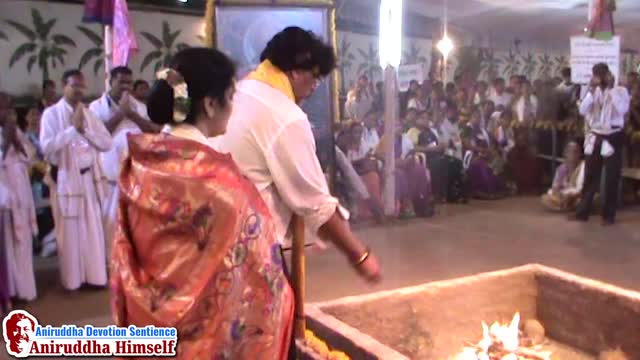
The Shree Durgavarada Homa was conducted in accordance with the Atri Samhita and the Sanskrit edition of Matruvatsalya-vindanam. The Homa continued for nine days, culminating in its Purnahuti (final oblation) on the ninth day, which marked the ceremonial conclusion of the ritual. Throughout the Utsav, Shraddhavans had the opportunity to witness and receive the blessings of this sacred Homa through its darshan.
Janhavisthanam
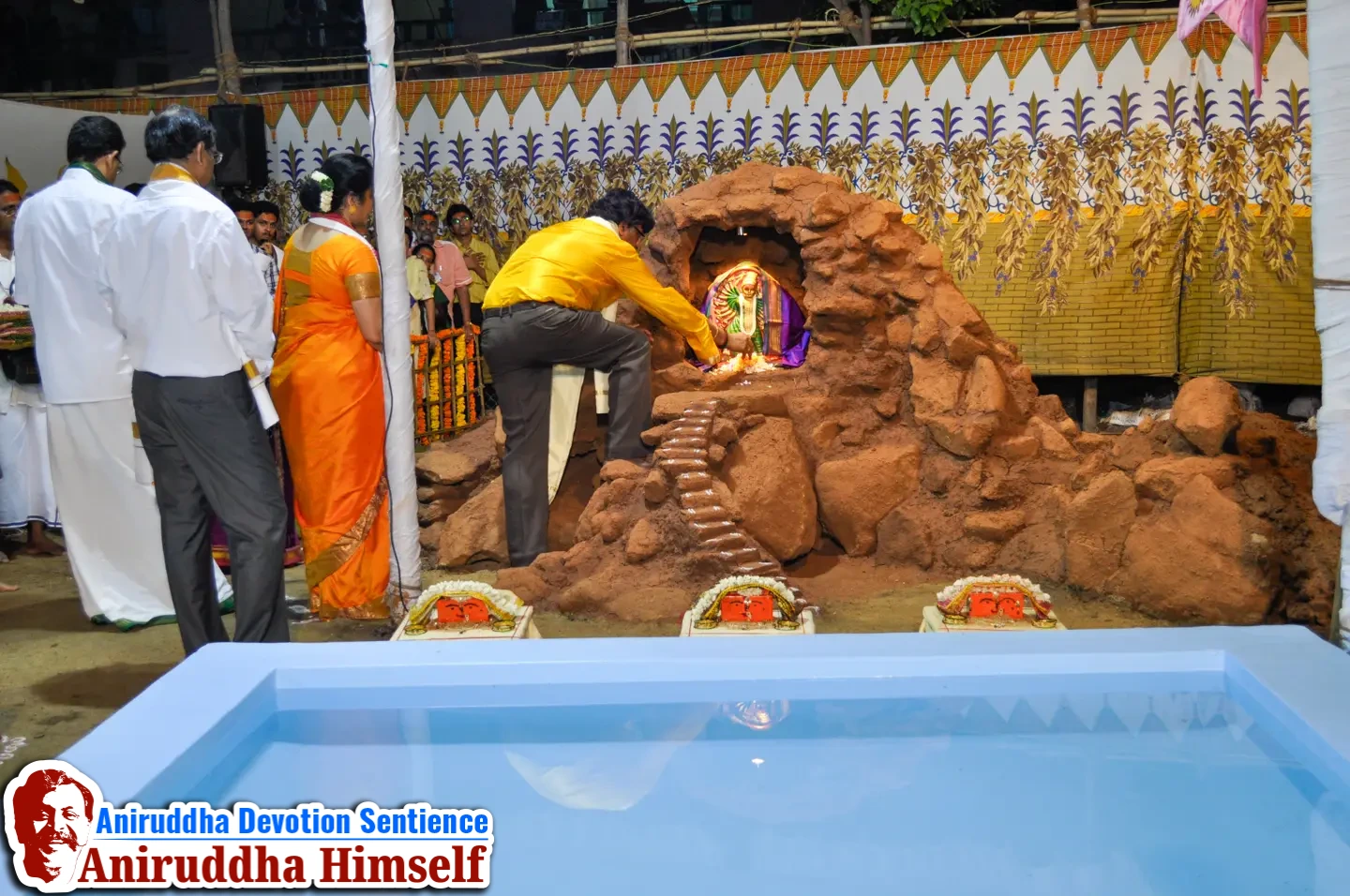
One of the most significant features of the Shree Varadachandika Prasannotsav was the establishment of Janhavisthanam and the consecration of Mata Ganga.
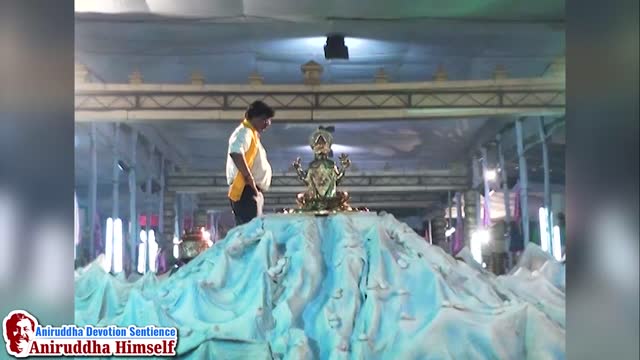
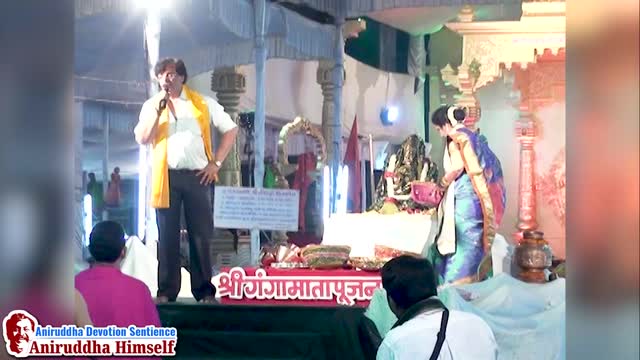
An especially sacred day in the Hindu month of Vaishakh is Ganga Saptami—the day commemorating the descent of the River Ganga to Earth as Bhagirathi. Since Ganga Saptami fell on 10th May 2011 during the Utsav (8–14 May 2011), Sadguru Shree Aniruddha Bapu symbolically established Mata Ganga on this auspicious day. The sacred site where this consecration took place came to be known as Janhavisthanam. A Panchadhatu (five-metal) murti of Mata Ganga seated upon a Makara (crocodile), Her traditional vehicle, was ceremonially installed there for worship.
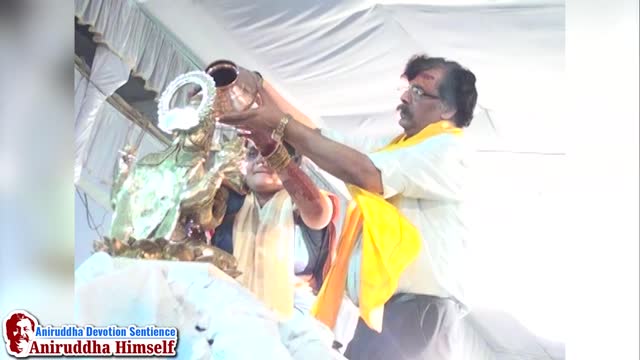
In front of the murti, a small group of dedicated Prapathaks continuously chanted sacred mantras, while an uninterrupted Abhishek was offered to Mata Ganga. The sanctified water from the Abhishek flowed through a specially constructed channel. Every Shraddhavan passing through the queue had the blessed opportunity to immerse their hands in this sacred water, take a few drops, and reverentially sprinkle them upon their head.
For this Abhishek, Sadguru Shree Aniruddha Bapu entrusted Shraddhavan volunteers with the sacred and challenging task of collecting water from one hundred rivers across the world.
Avadhoot-Kumbh
Another beautiful and spiritually significant aspect of the Shree Varadachandika Prasannotsav was the consecration of the Avadhoot Kumbhas.
Twenty-four Panchadhatu (five-metal) Kumbhas were filled with the sacred overflowing Udi and were consecrated over the course of ten days in accordance with the Kalateet Samhita. These Kumbhas were also worshipped through specially prescribed rituals. The twenty-four Avadhoot Kumbhas were placed beside the idols of the three principal deities in the sacred arrangement of a specific Yantra.
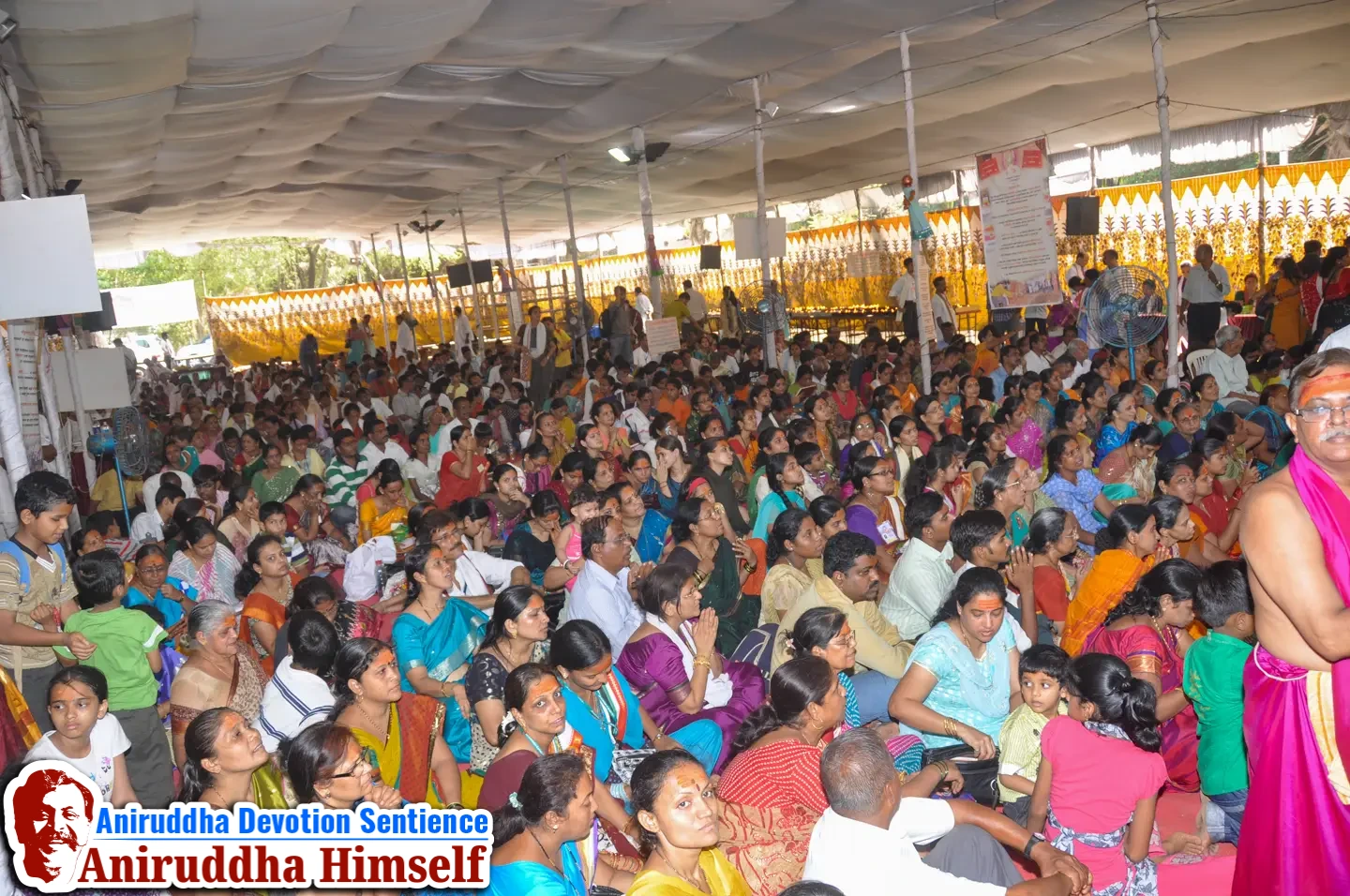
The Shree Varadachandika Prasannotsav was truly an extraordinary spiritual experience for every Shraddhavan. Those who were blessed with the opportunity to participate in this divine celebration continue to cherish it as an unforgettable milestone in their spiritual journey, a unique Utsav whose memories remain etched forever and whose grace transformed their lives.