Worship of Shree Ramvardayini Aadimata Mahishasurmardini
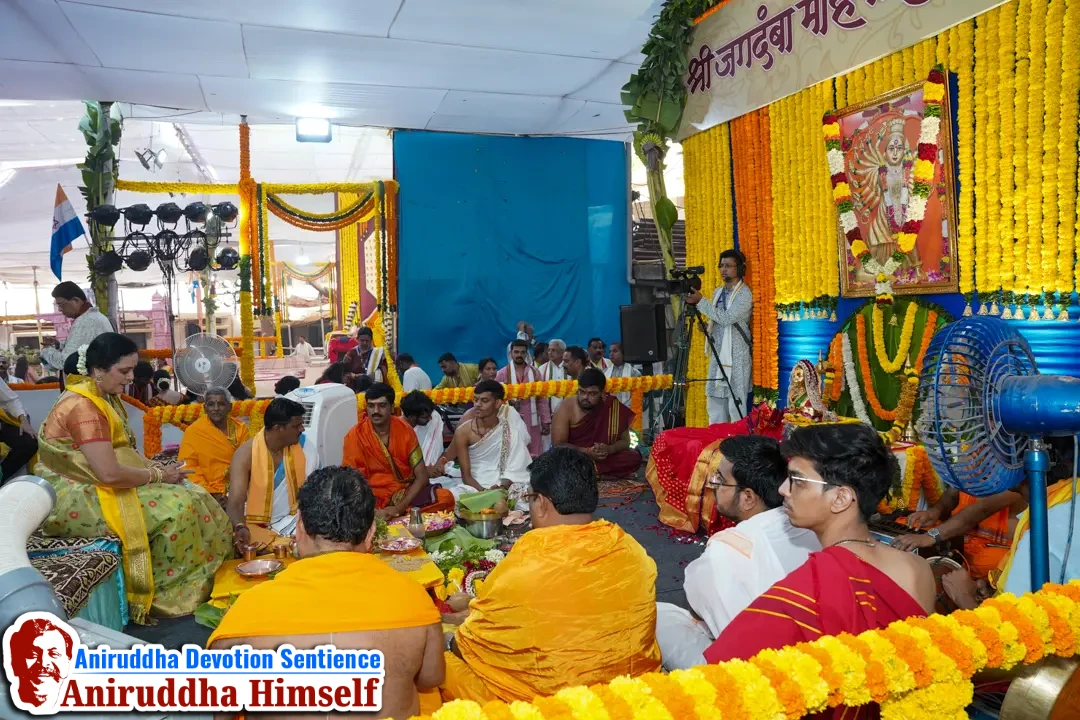
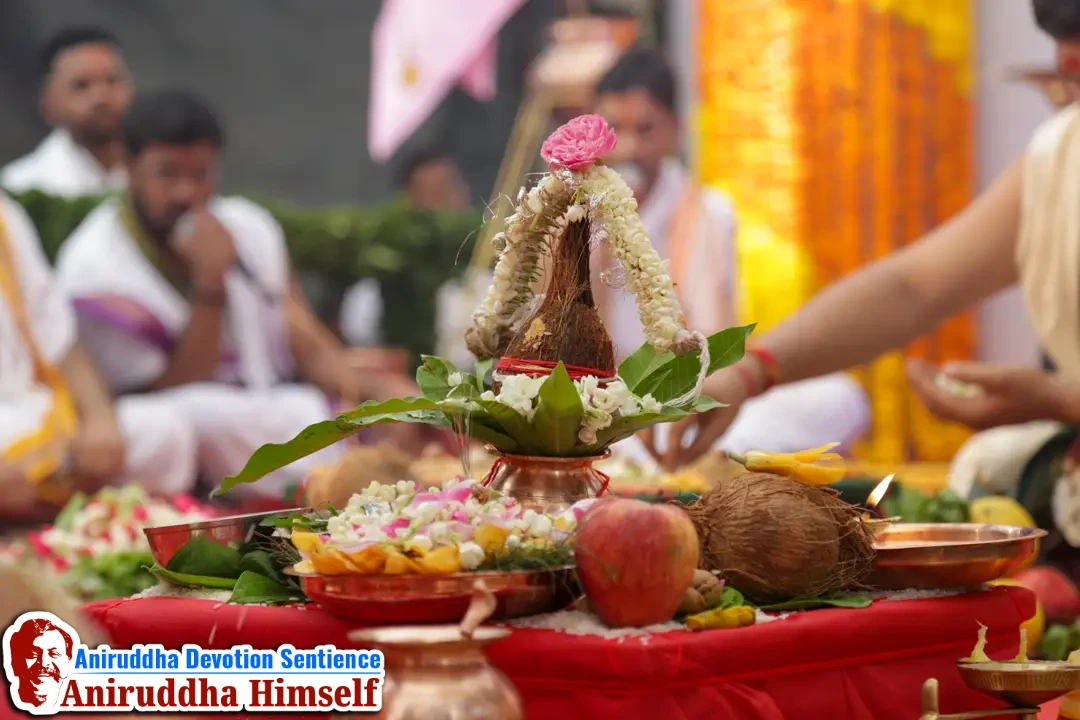
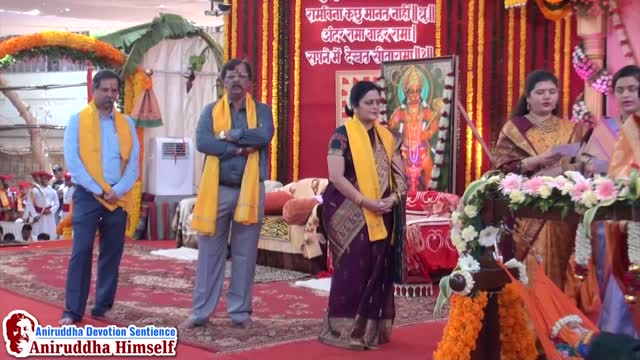
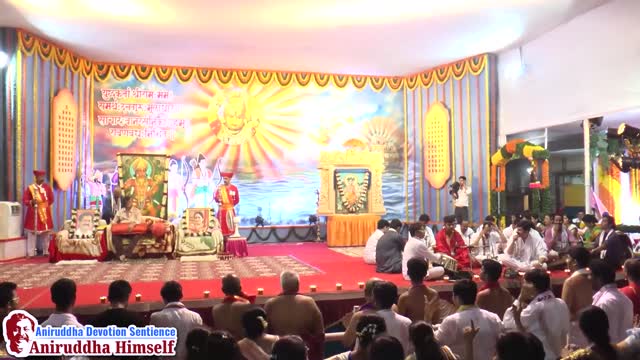
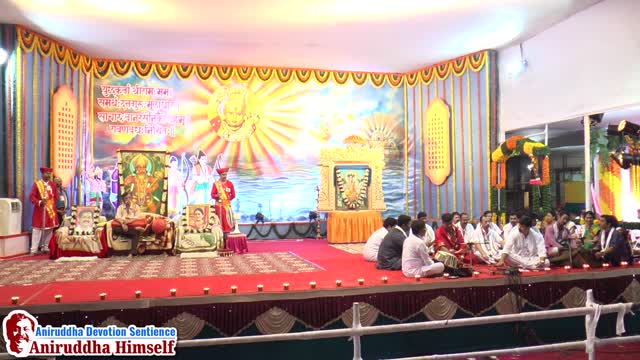
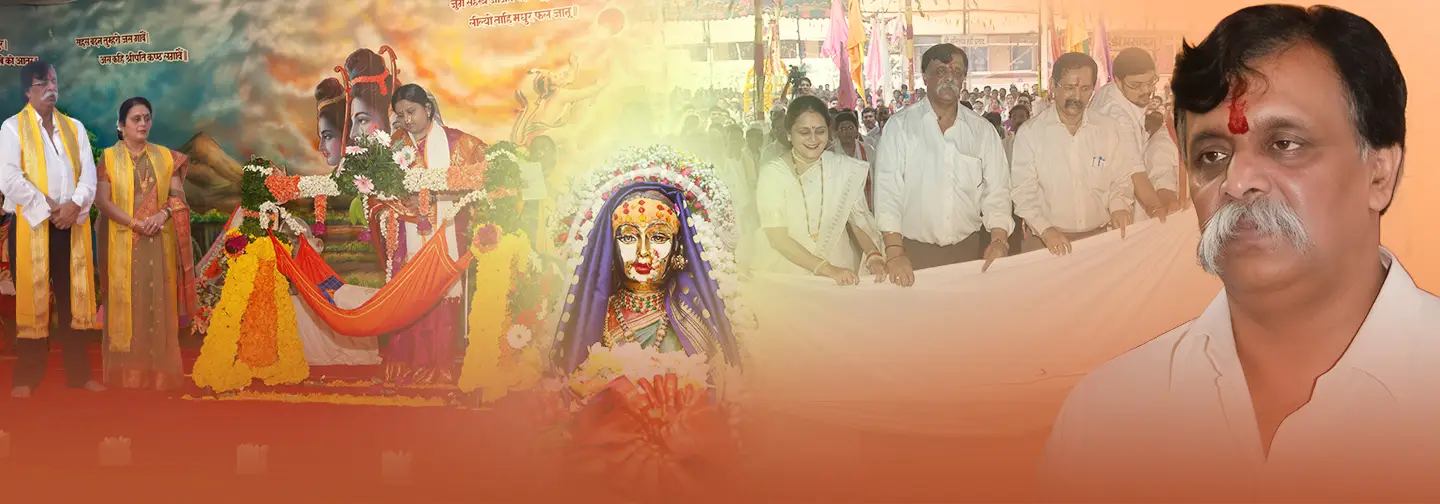
Shree Ramvardayini Aadimata Mahishasurmardini is worshipped during the Ramnavami Utsav. The story of how Mahishasurmardini acquired the name 'Ramvardayini Durga’ is mentioned in the Ramayana. A vivid description of the same can be read in Matruvatsalya Vindanam, the Grantha penned by Sadguru Shree Aniruddha. ‘When the war between Lord Shree Rama and Ravana became more intense and fierce, at that time, Hanuman instructed Lord Rama to chant Adimata’s ‘Ashubhnashini Stavanam’. Later, at the stroke of midnight, Ashtadashabhooja Mahishasurmardini manifested on the battlefield and blessed Lord Rama, proclaiming, ‘May Lord Shree Ram be victorious!’ True to the blessing, Lord Rama, indeed, triumphed, killing Ravana. Aadimata, who then assumed the form of Tripuramba Mahishasurmardini, granted the boon, 'Ramo Rajamani Sada Vijayate' and slowly disappeared. Owing to this boon, Ramnaam became the Taarak (Saviour) Mantra, a mantra that salvages you, and this form of Mahishasurmardini is revered as ‘Ramvardayini Durga’.
Shree Sai Saisatpujan
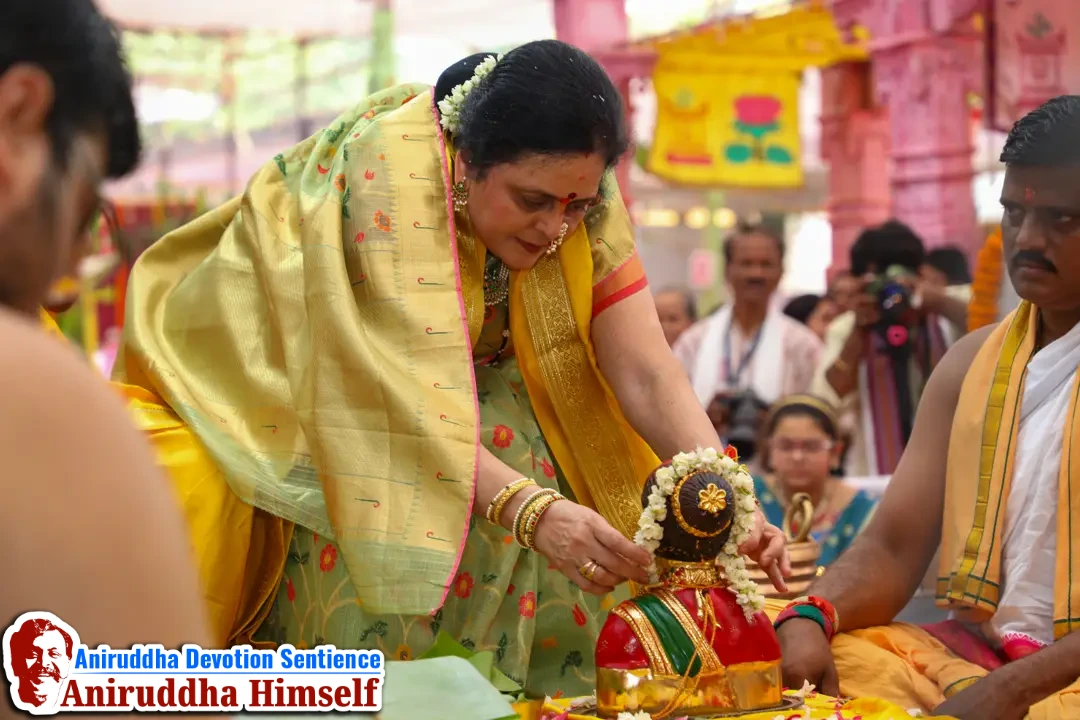
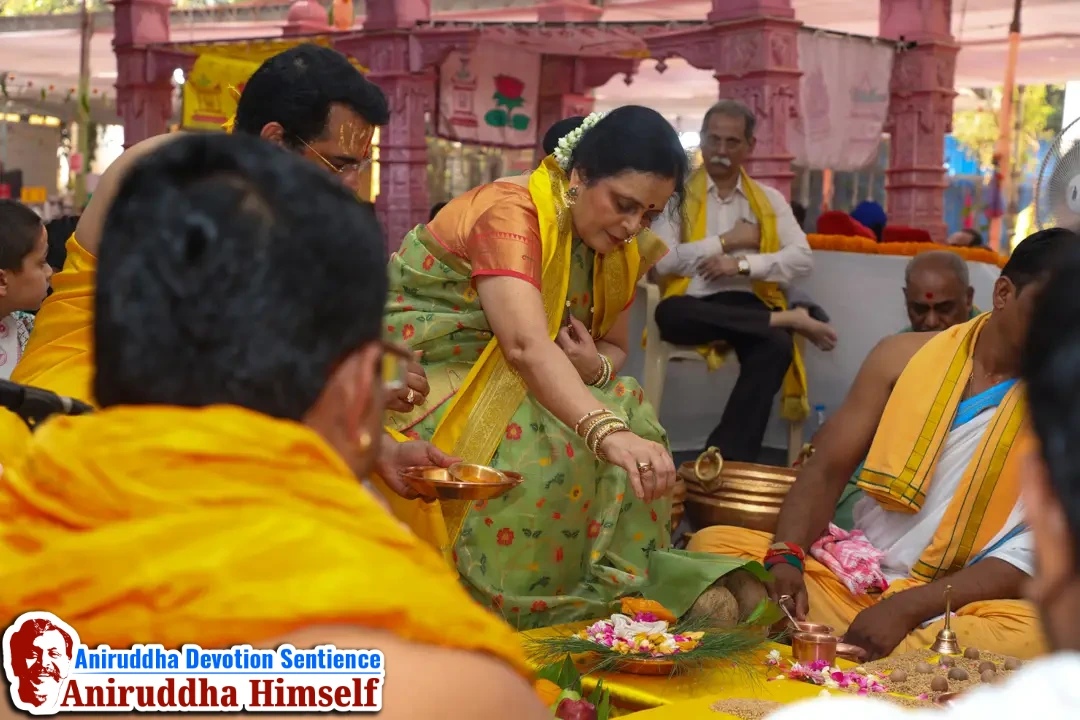
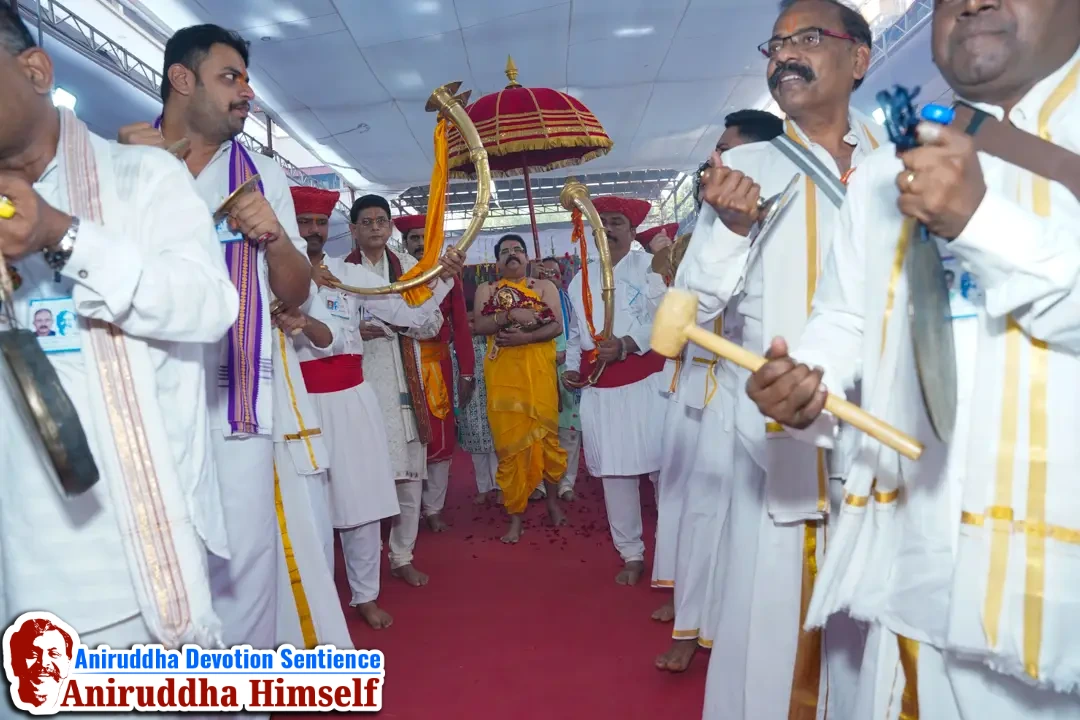
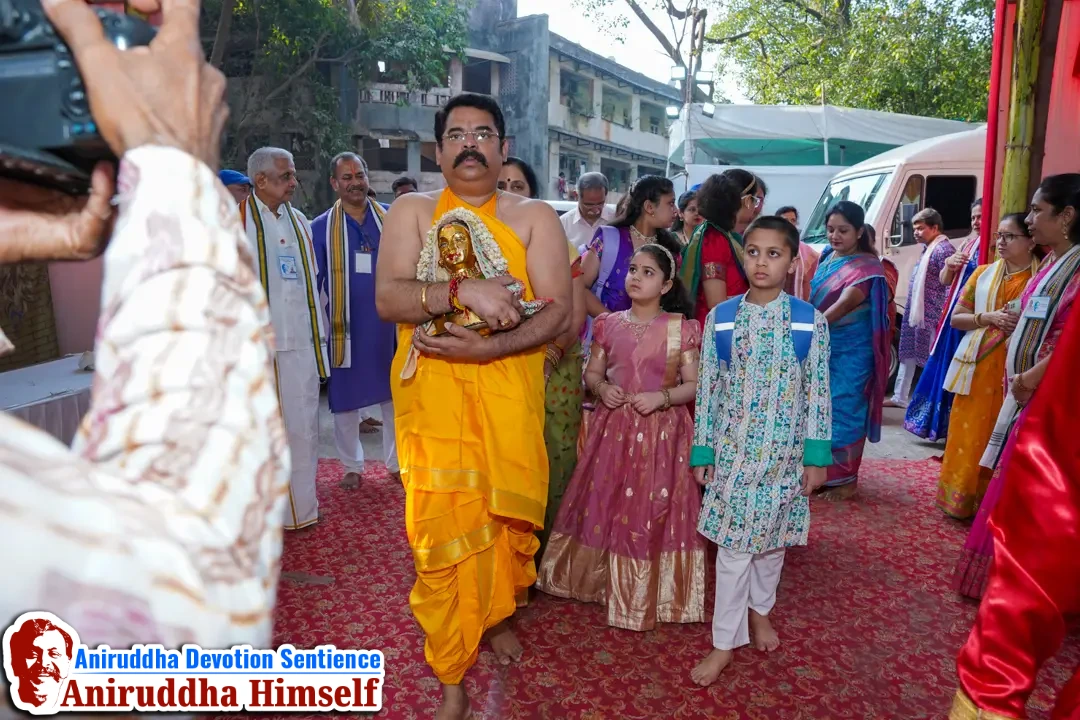
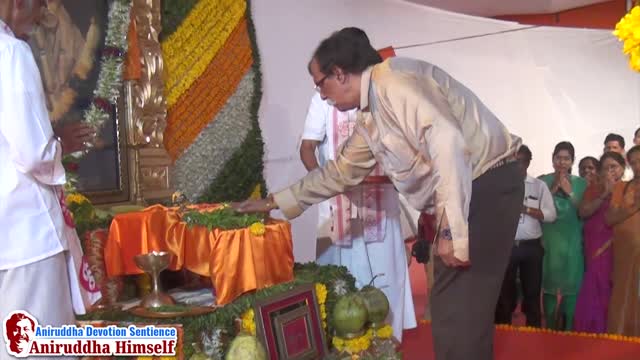
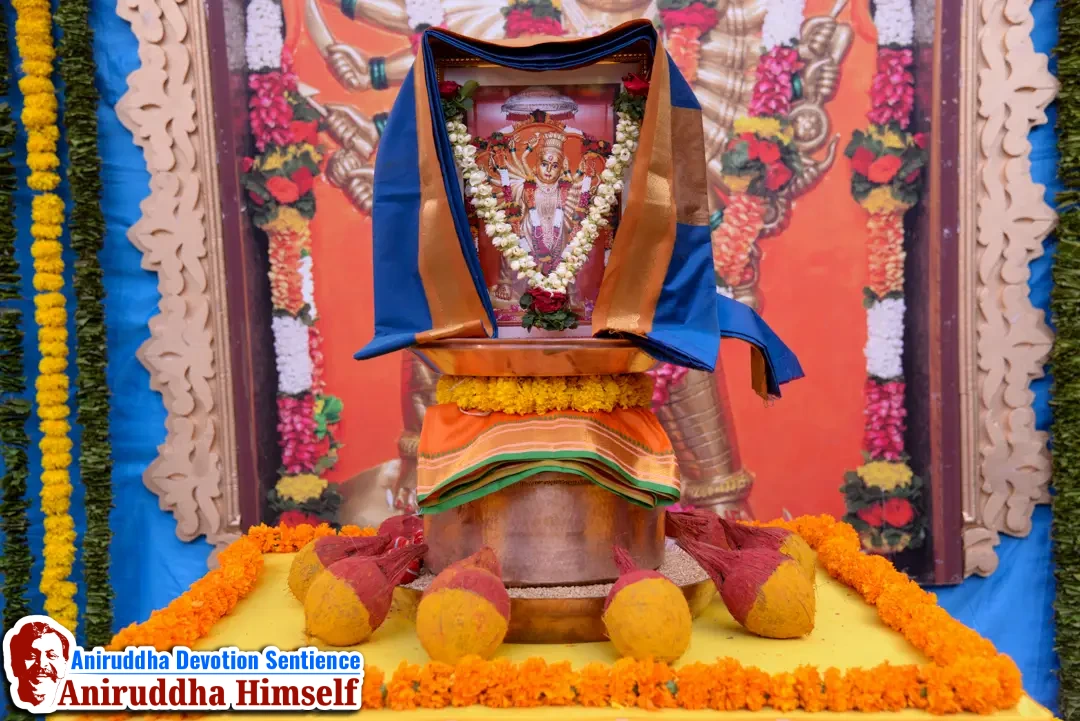
The Saisatpujan is also a part of the Ram Navami Utsav. Shree Saibaba had entrusted three sacred items — Rudraksha mala, Trishool and Shaligram to Shree Hemadpant, the author of Shree Sai Satcharita. These items are brought from Sai Niwas and following this worship, ‘Shree Ghorkashtoddharan Stotra’ is chanted throughout.
Shree Sainath Mahimna-Abhishek — A Blessing for Every Family
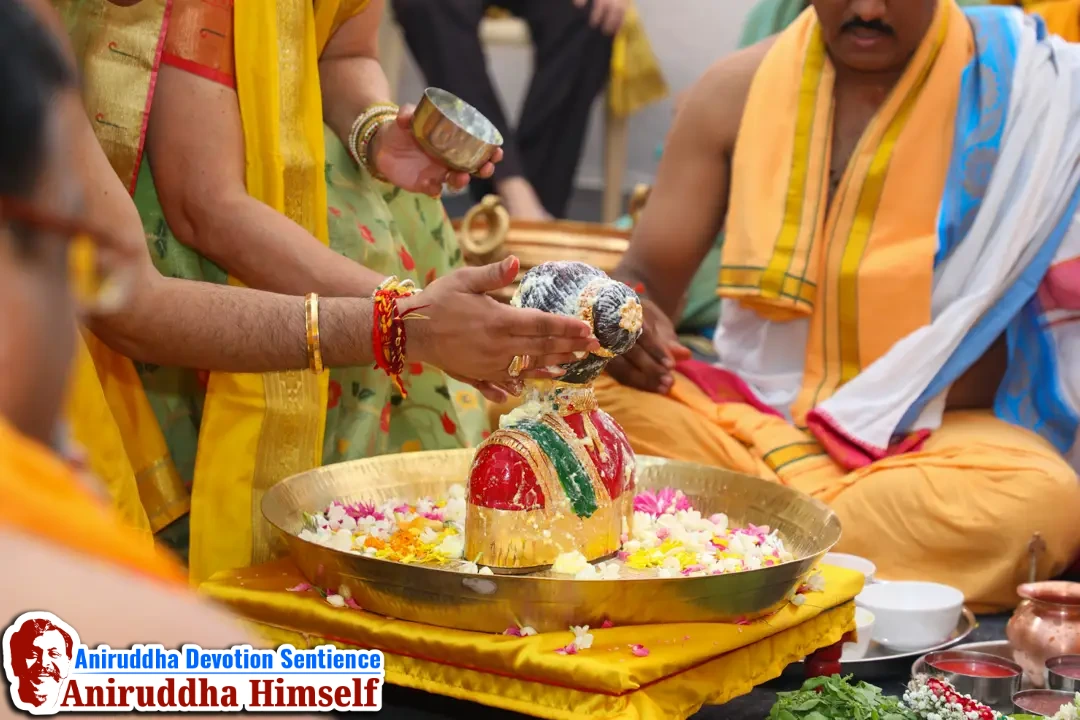
Shraddhavans also perform the Shree Sainath Mahimna-Abhishek on the Shree Sai Sadashiv idol. Each devotee is offered the chance to do a symbolic Pujabhishek. It is believed that this Abhishek supports the well-being of every family member, especially children.
Talibharan — The Offering of Love and Gratitude
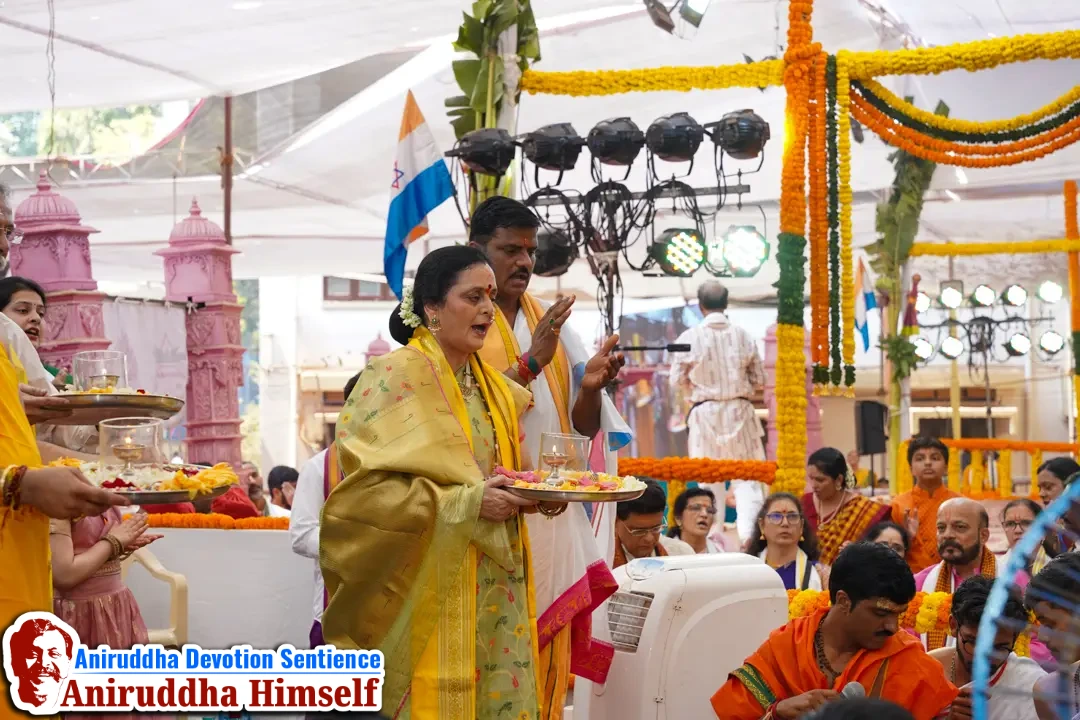
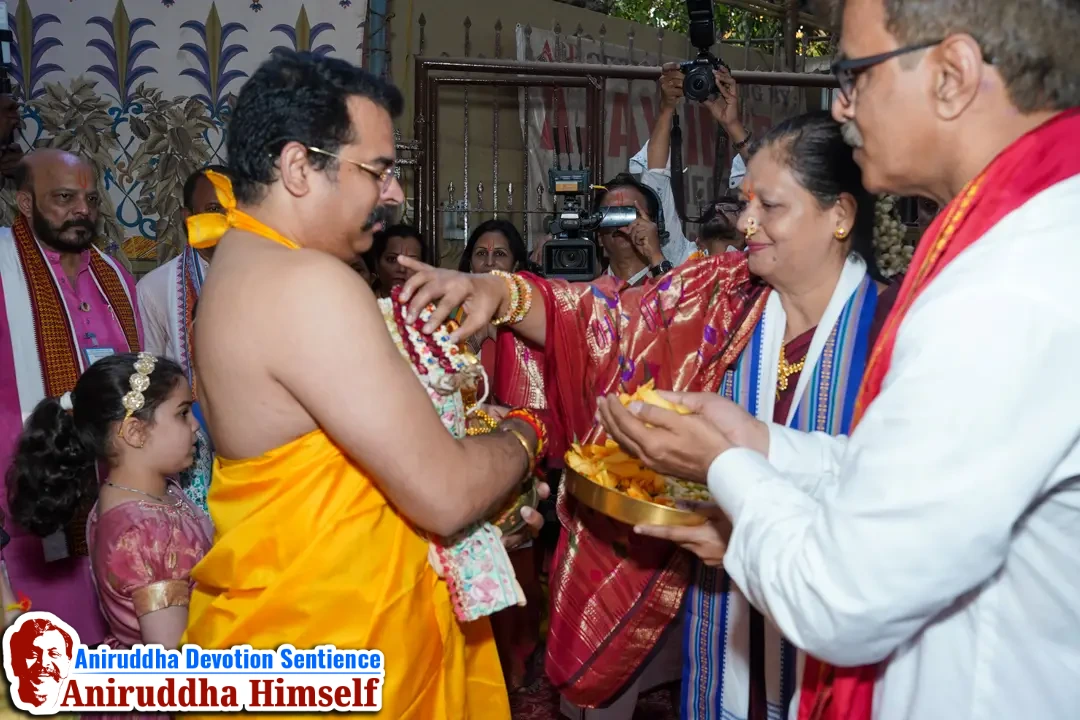
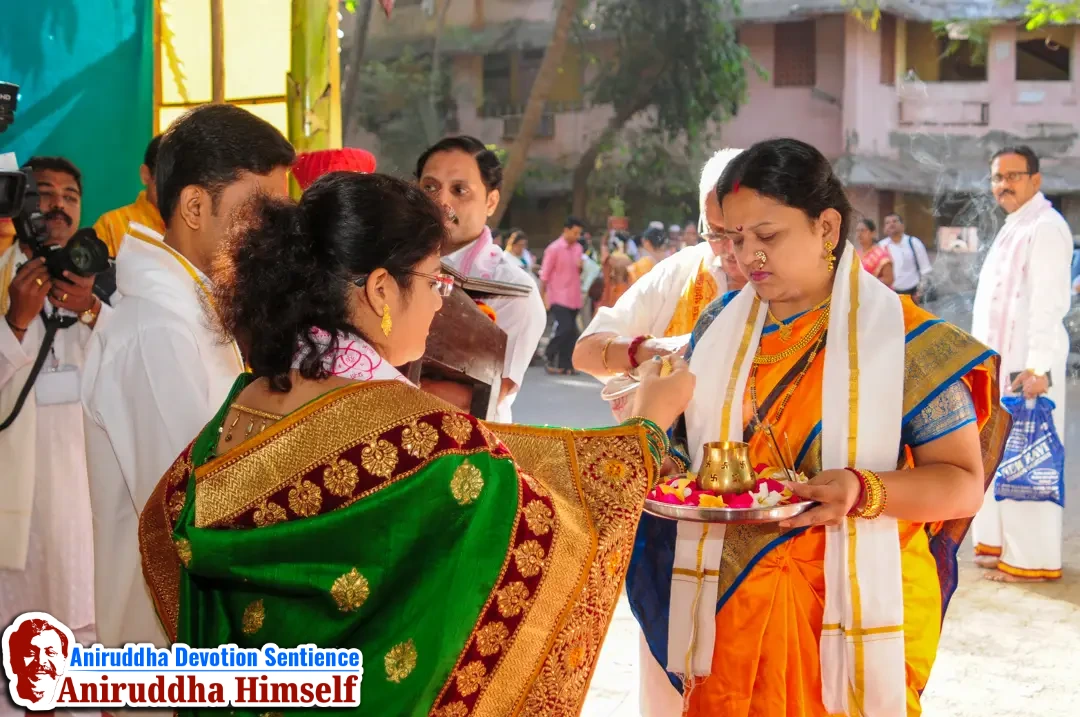
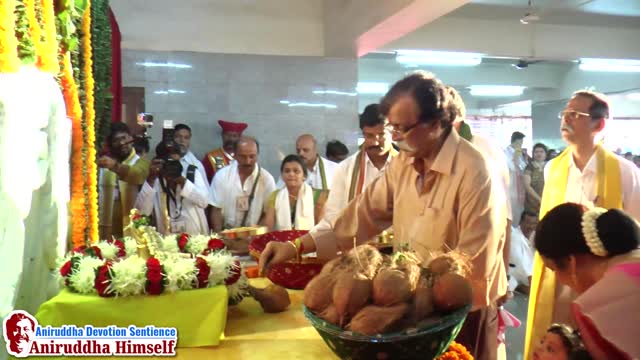
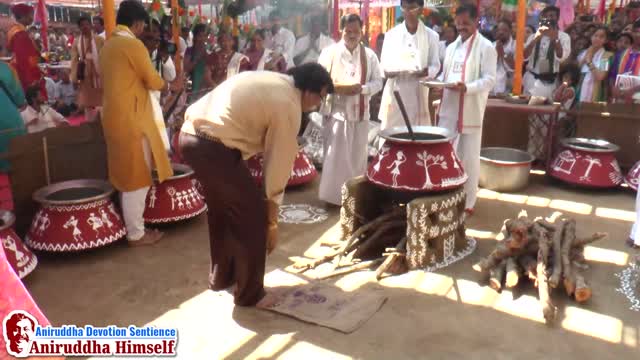
Tali Bharan (literally, "filling the sacred platter") is a cherished traditional ritual performed as an expression of devotion and gratitude towards one's beloved deity. It is a sacred offering through which devotees seek the Lord's blessings for the well-being, prosperity, protection and continuity of the family lineage.
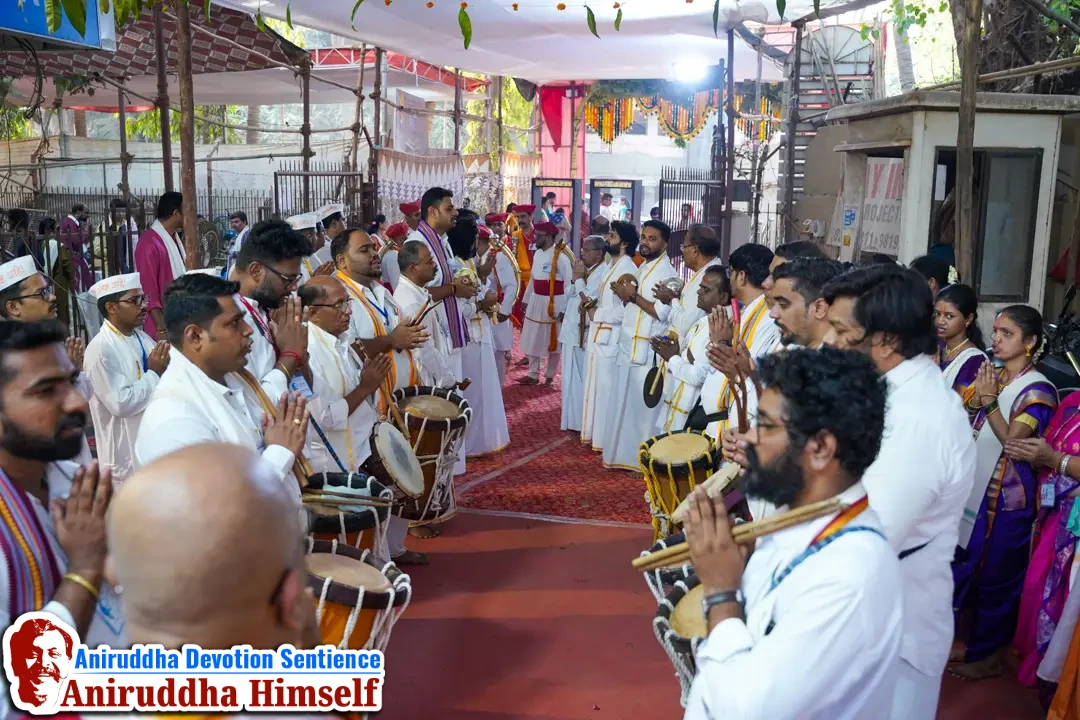
During the Ramnavami Utsav, the atmosphere comes alive with the resounding chants of "Raksh Raksh Sainath, Shree Sairam" and the auspicious sounds of traditional instruments as Shraddhavans lovingly participate in the Tali Bharan. By offering the sacred Tali, devotees not only seek Sai Baba's blessings but also earn the spiritual merit of Anna-daan (the offering of food).
Ramnaam Mantra Chanting and the Sacred Exchange of Bukka
At the venue, the mantra ‘Om Ramay Rambhadray Ramchandraya Namah’ is chanted continuously throughout the day. Here, Shraddhavans, while chanting the mantra, apply abeer or bukka, on each other’s forehead and do namaskar. A Shraddhavan applies bukka to another Shraddhavan, considering him to be the form of Pundalik, who was a great devotee of Lord Vitthal, whereas the Shraddhavan, on the other side, to whom the bukka is applied, considers the hands of Shraddhavan applying bukka to be the hands of Pundalik. This beautiful tradition reflects the profound faith and devotion shared among the Shraddhavans.
Sai Satcharita Adhyayan Kaksha
At the Utsav, a dedicated section called the Sai Satcharita Adhyayan Kaksha, also known as the Adyapipa Kaksha, is set up for the collective reading of one chapter from Shree Sai Satcharitra.
Aadyapipa (Shri. Sureshchandra Vaidya) was a devout follower of Shree Sainath and an ardent Shraddhavan. For sixty years, he performed four full recitations of Shree Sai Satcharita annually, completing them on Ram Navami, Gurupournima, Janmashtami and Dussehra, respectively. The assurance from Chapter 11 — “You will attain oneness with the lotus feet of ShreeRam (अखंड राम लाधाल)” truly became the reality of his life. Every Shraddhavan entering this Kaksha reads the Sai Satcharita with a similar determination to cultivate the same steadfast devotion.
The Completion of the Utsav — Returning Home with a Sankalp
As the day nears the end, the Sairam Sahastra-Yadnya concludes and the Maha-aarti marks the completion of the Ram Navami Utsav. Every Shraddhavan leaves with a renewed heart, carrying the determination to live by the Aniruddha ‘Pledge of Honour’:
“My Ram will wage war,
Self-sufficient Dattaguru is the Origin, the Basis.
A soldier, I am a Vanar in word and in deed,
Ravan will die, yes! he will.”