The Spiritual Significance of Shree Kshetra Sadguru Nivas – Gurukul, Juinagar
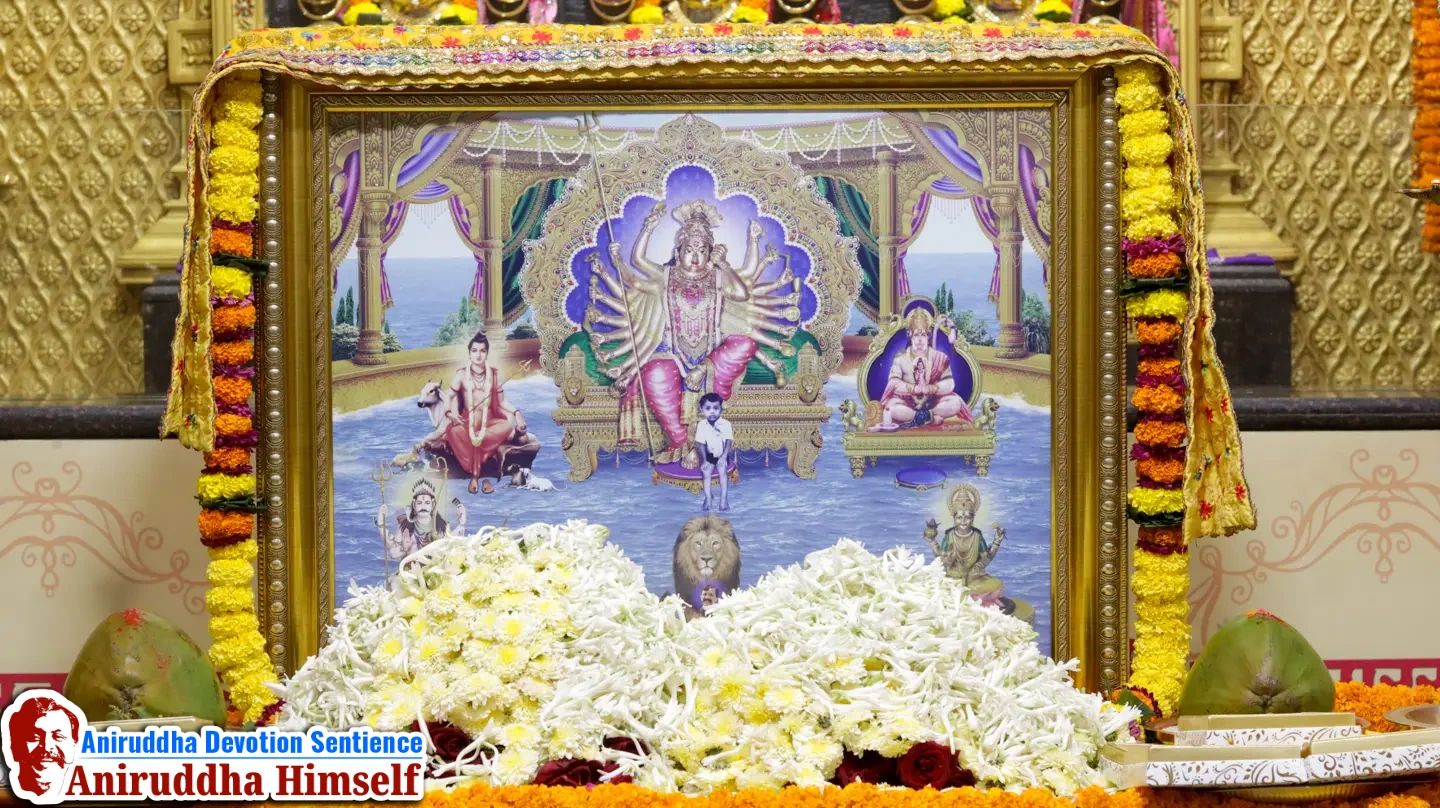
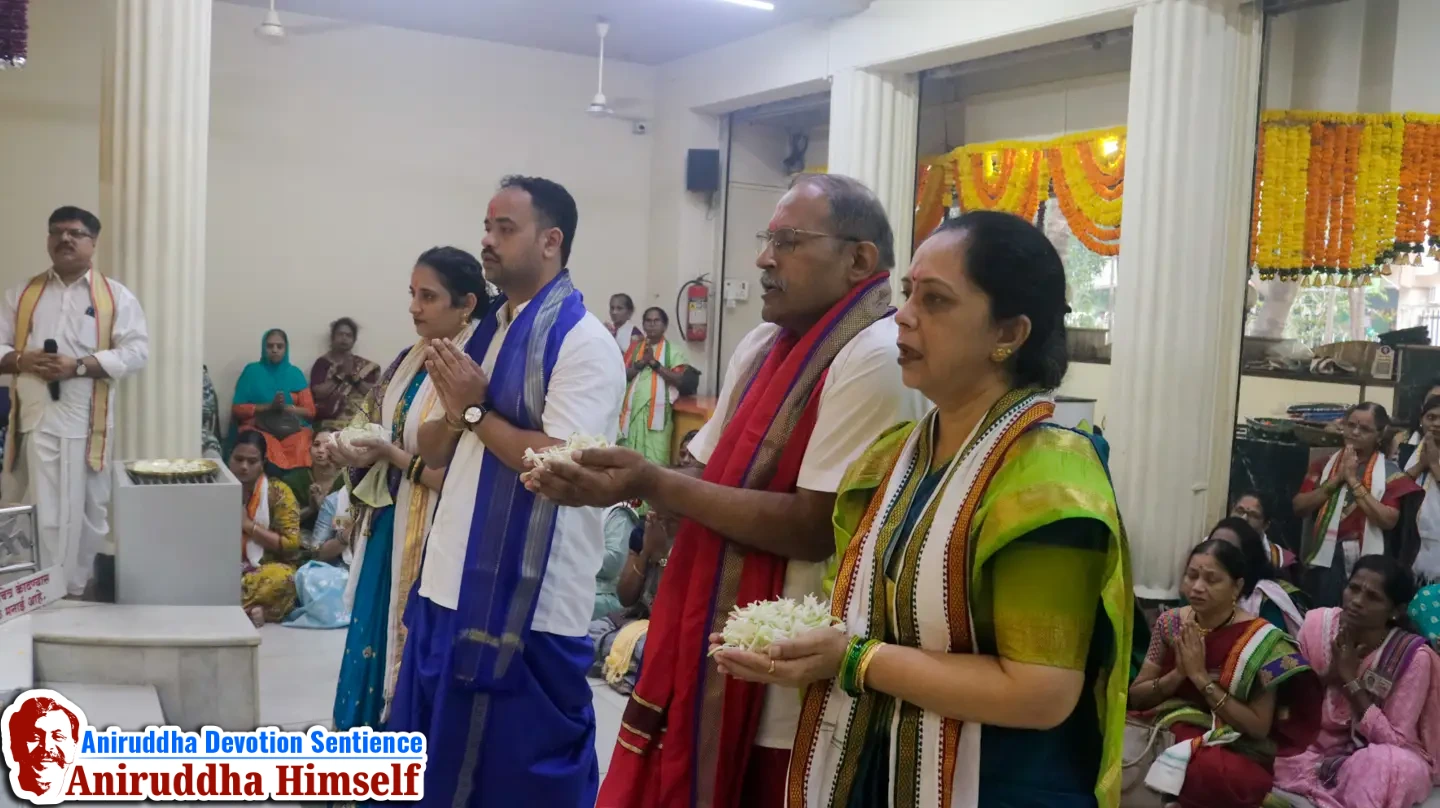
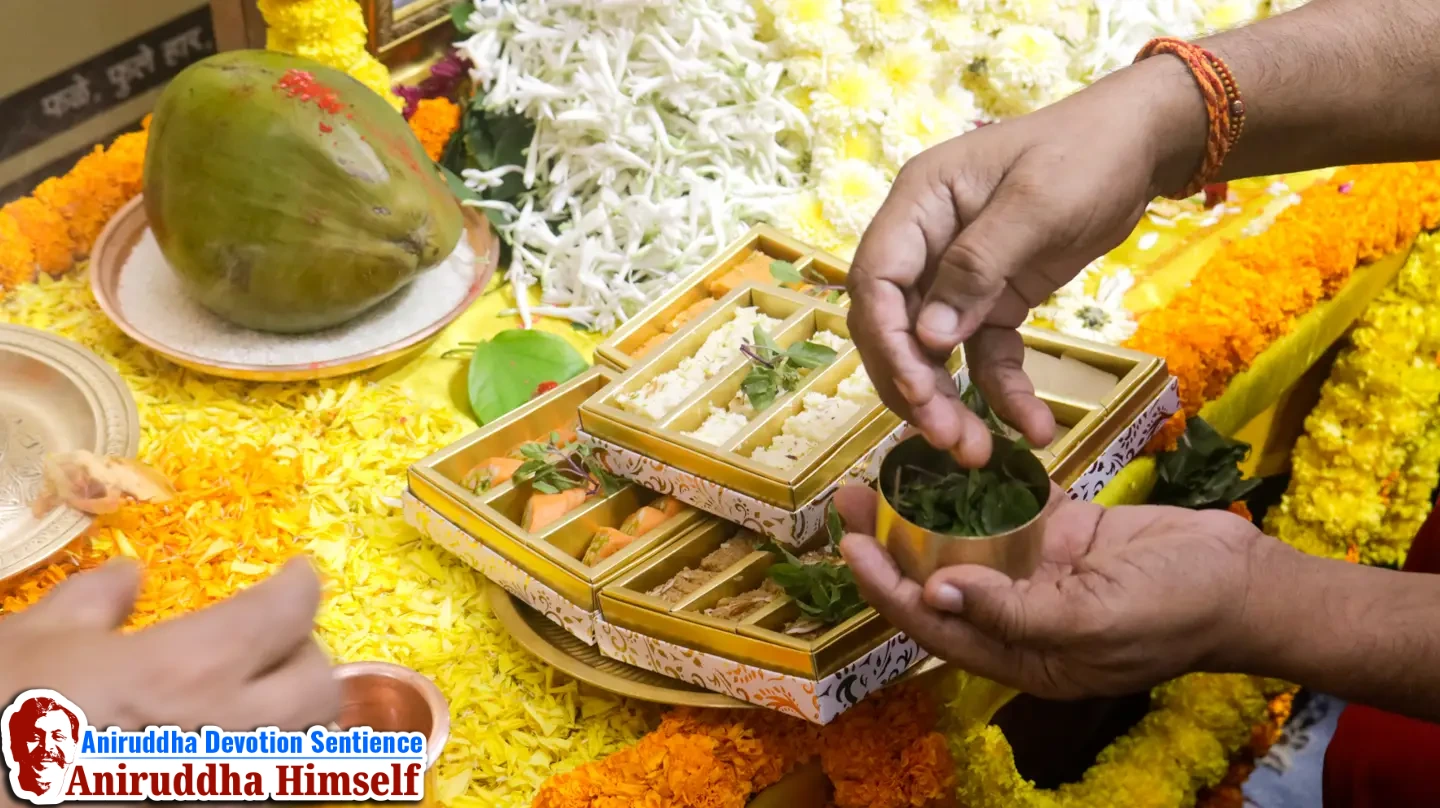
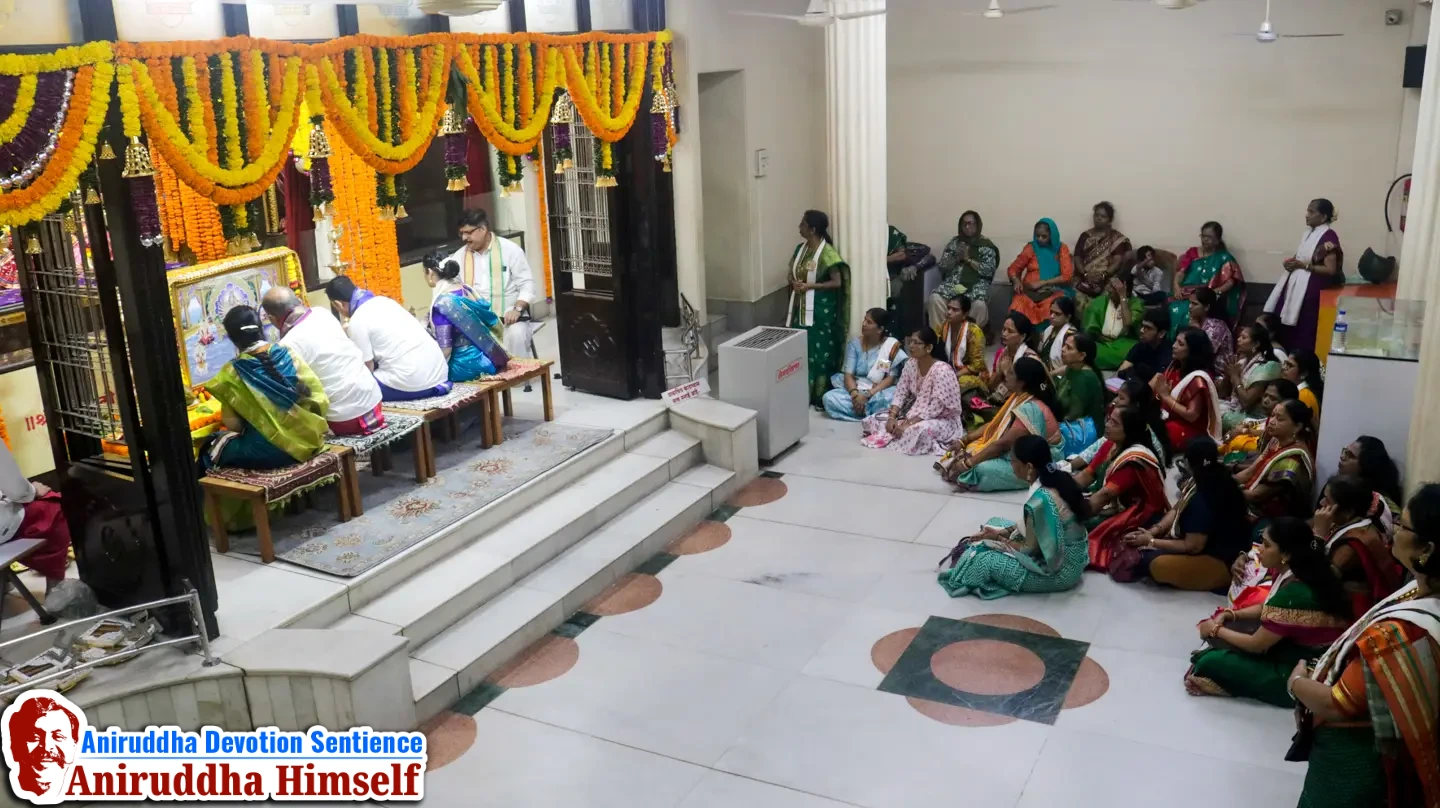
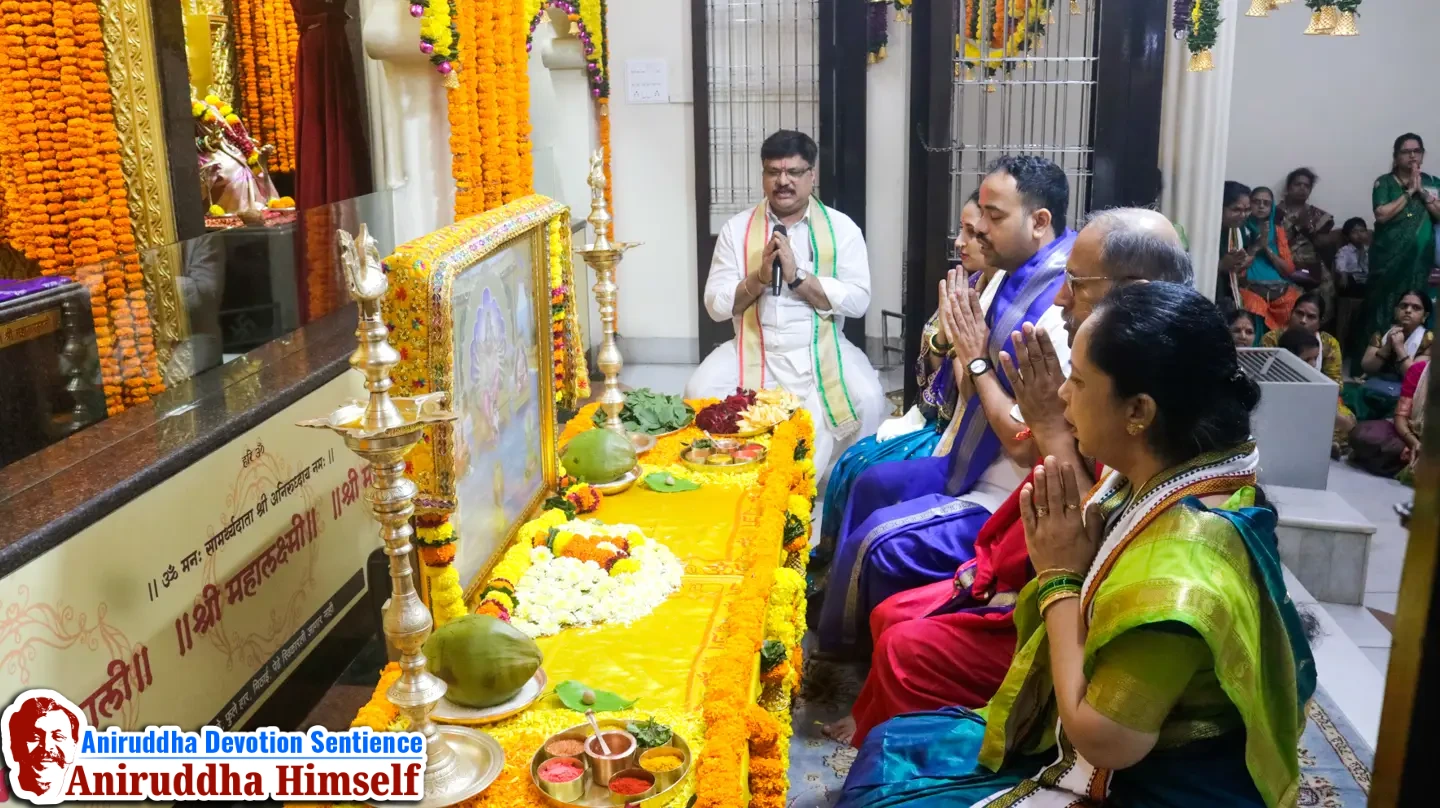
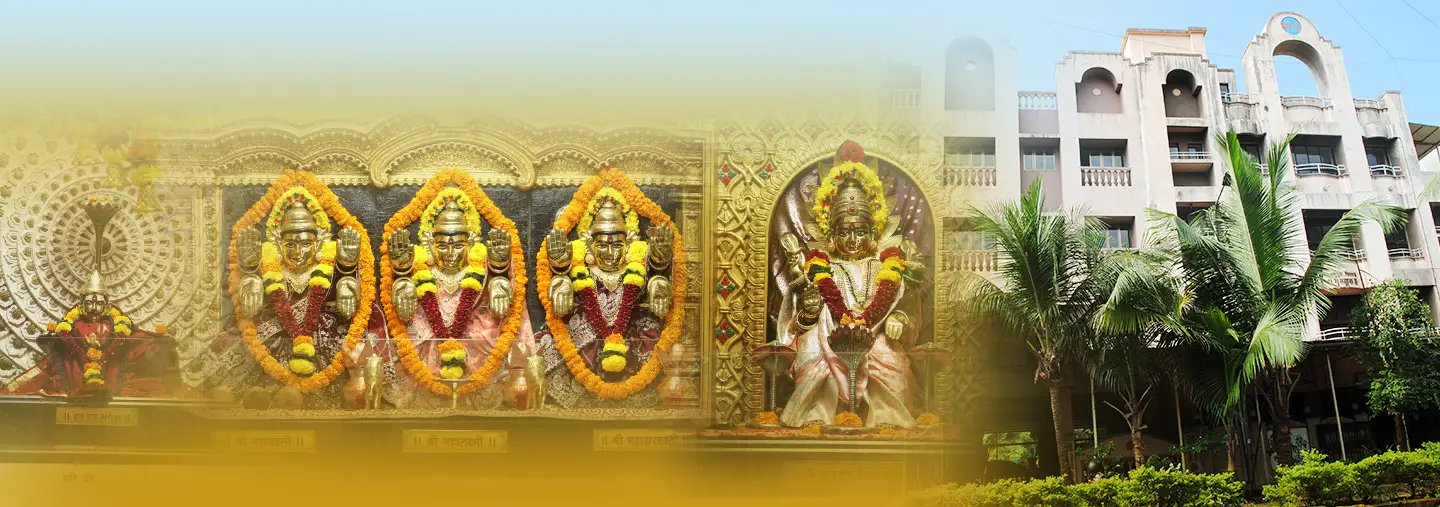
The Bhoomipoojan of this sacred site was performed on 4 October 1998. Later, on 28 and 29 April 1999, on the highly auspicious occasion of Vaishakha Pournima, Sadguru Shree Aniruddha consecrated the idols of Mahakali, Mahalakshmi, Mahasaraswati, Shree Mangesh, and Shree Shantadurga in the sanctum sanctorum of this sacred place. Throughout these two days, holy mantras were chanted continuously. The idols were sculpted from the sacred black stone obtained from the bed of the Gandaki River, a holy tributary of the River Ganga. Every morning at dawn, the sanctum sanctorum is opened and the deities are worshipped through the traditional Shodashopachar Poojan (the sixteen-fold ritual of worship). Thereafter, the idols are beautifully adorned with fine garments and ornaments.
Among the Panchapurushartha deities enshrined here, Mahakali symbolizes Kaam (desire), or the power of will. She strikes fear into evil forces while protecting Her devotees. Mahalakshmi symbolizes Artha (prosperity) and destroys every form of adversity. Mahasaraswati symbolizes Dharma (righteousness) and safeguards devotees from illnesses and diseases while blessing them with good health. Shree Shantadurga symbolizes Moksha (liberation), while Shree Mangesh symbolizes the fifth Purushartha, Bhakti (devotion).
In front of these three deities, two lions crafted from Panchadhatu (the sacred alloy of five metals) are installed. They are named Alhaad (Divine Joy) and Santosh (Contentment).
Training in Ancient Indian Balvidya
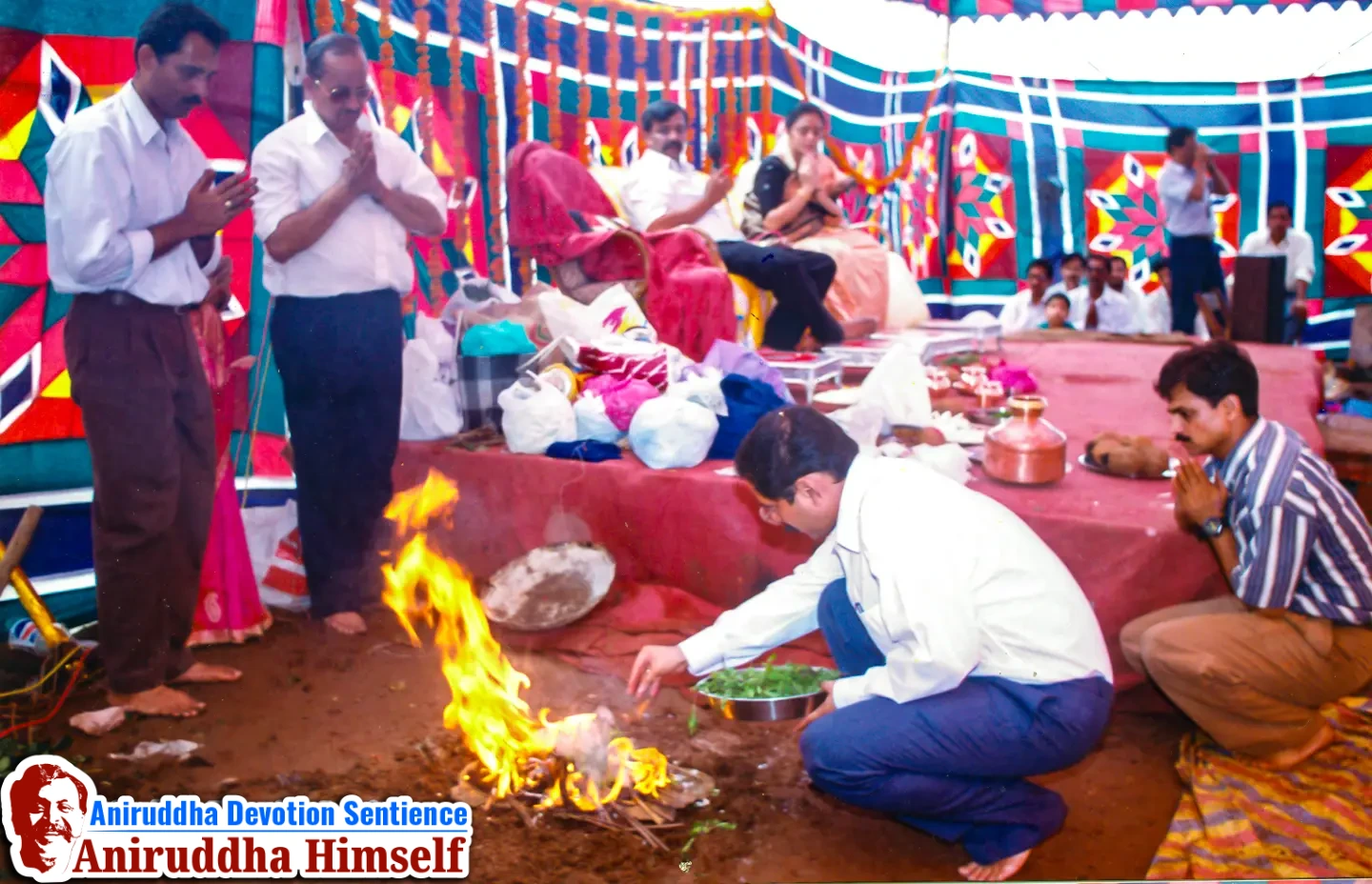
It was in this very Gurukul that Param Pujya Sadguru Shree Aniruddha Bapu initiated the first Balacharya, Shri Ravindra Manjrekar, and personally imparted training and practical instruction in the ancient Indian martial art (Balvidya). Along with him, four other disciples were also trained.
Mahayogpeeth Swaroopadhyas
When one stands facing Shree Shantadurga, a sacred Kalash can be seen in the pillar on the right. This Kalash contains soil collected from thirty Shakti-Peethas and Dharma-Peethas across India. Owing to this and its many other sacred features, Gurukul is regarded as an exceptionally holy place.
Dharmachakra
On 29 April 1999, in the presence of Sadguru Shree Aniruddha Bapu's Nityaguru, the sacred Dharmachakra was consecrated. As the name suggests, it is a chakra that is a wheel made up of metal and has twenty-four spokes. Before its installation, it was made Siddha by being ceremoniously placed for three days each in the homes of fifty-two devotees, where the sacred mantra “Om Sai Shree Sai, Jai Jai Sairam” was chanted continuously.
Shree Vidyamakarand Gopinathshastri Padhye Adhyayan Kaksha
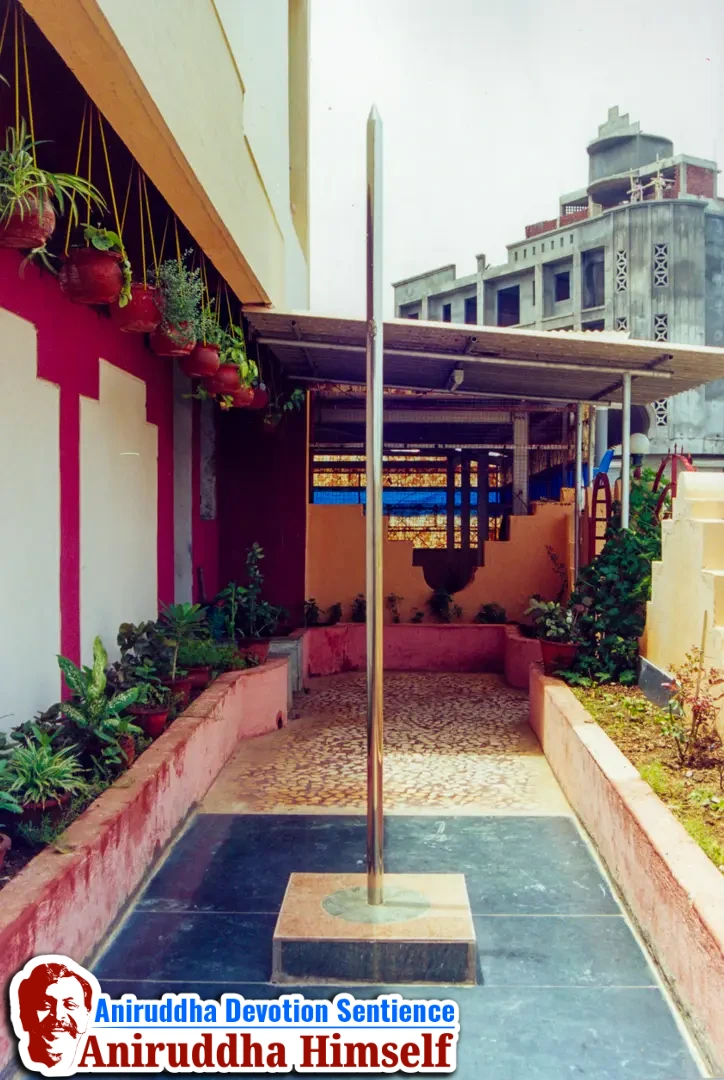
Sadguru Shree Aniruddha Bapu's great-grandfather, Shree Vidyamakarand Gopinathshastri Padhye, was an exceptionally learned scholar who had mastered the Vedas and the Shastras. Hence in his memory, a study hall was established at Gurukul in his honour and named after him.
He was an ardent devotee of Shree Sainath and Shree Vitthal, and therefore Bhakti was given the highest importance in this study hall. In its early years, the hall served as a dedicated space for mantra chanting, Naam-smaran, the study of sacred scriptures, and meditation. Over time, as many other devotional activities began to be conducted at Gurukul, these spiritual practices were shifted to the various Trivikram Spiritual Centres (Trivikram Maths) established at different locations. Today, Shraddhavans may perform mantra chanting, Naam-smaran, recitation of holy granthas, and may also do dhyaan (meditation) at these centres.
Vishvalochan Chakraraj
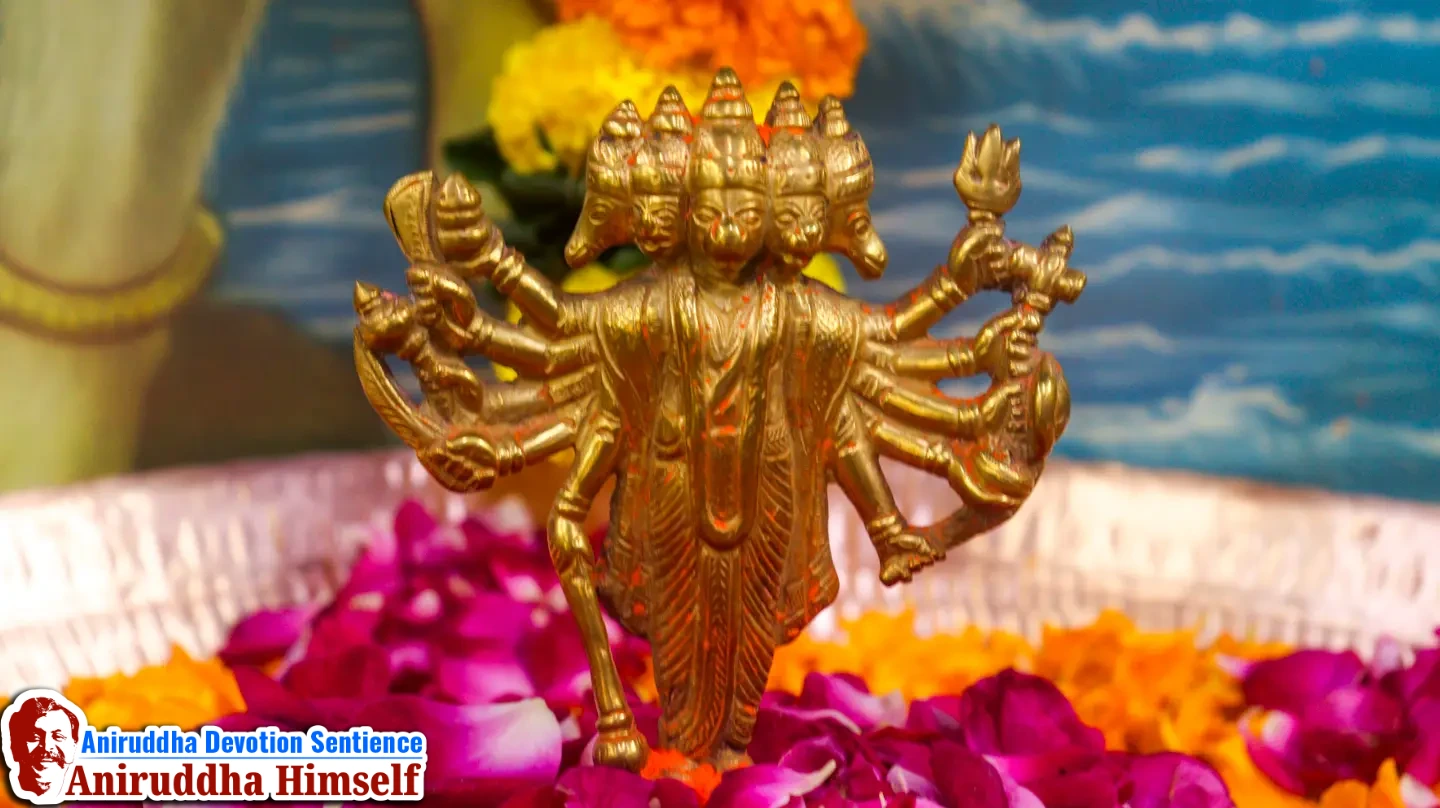
The Vishvalochan Chakraraj is a unique sacred Yantra designed and consecrated by Sadguru Shree Aniruddha Bapu Himself within this sacred premise. It is regarded as the holy seat of Mahaprana Hanumant.
Sacred Fire (Dhuni)
On 28 September 2000, Sadguru Shree Aniruddha Bapu established the sacred Dhuni at Gurukul and kindled the holy fire for the first time. The Udi generated from this sacred fire was distributed free of cost to Shraddhavans. In later years, as per Bapu's resolve, this Dhuni was respectfully relocated to Govidyapeetham, Karjat.
Panchapurushartha Upasana
The Panchapurushartha Upasana is a form of worship introduced to Shraddhavans at Gurukul. During this Upasana, Shraddhavans are guided to perform the worship before a specific sacred photograph of Sadguru Shree Aniruddha Bapu.
It is essential that the first Panchapurushartha Upasana be performed at Gurukul itself. Thereafter, every Shraddhavan may obtain a smaller replica of the sacred photograph along with the Upasana booklet and continue performing the Upasana at home from the following day.
Shraddhavans believe that through this Upasana, the defects that arise in the ten senses (Dashendriyas), the eleventh faculty, the mind, and the seven Chakras are gradually removed. Consequently, the difficulties arising from these imbalances are also overcome.
Samadhi of Adyapipa (Pujya Sureshchandra Vaidya)
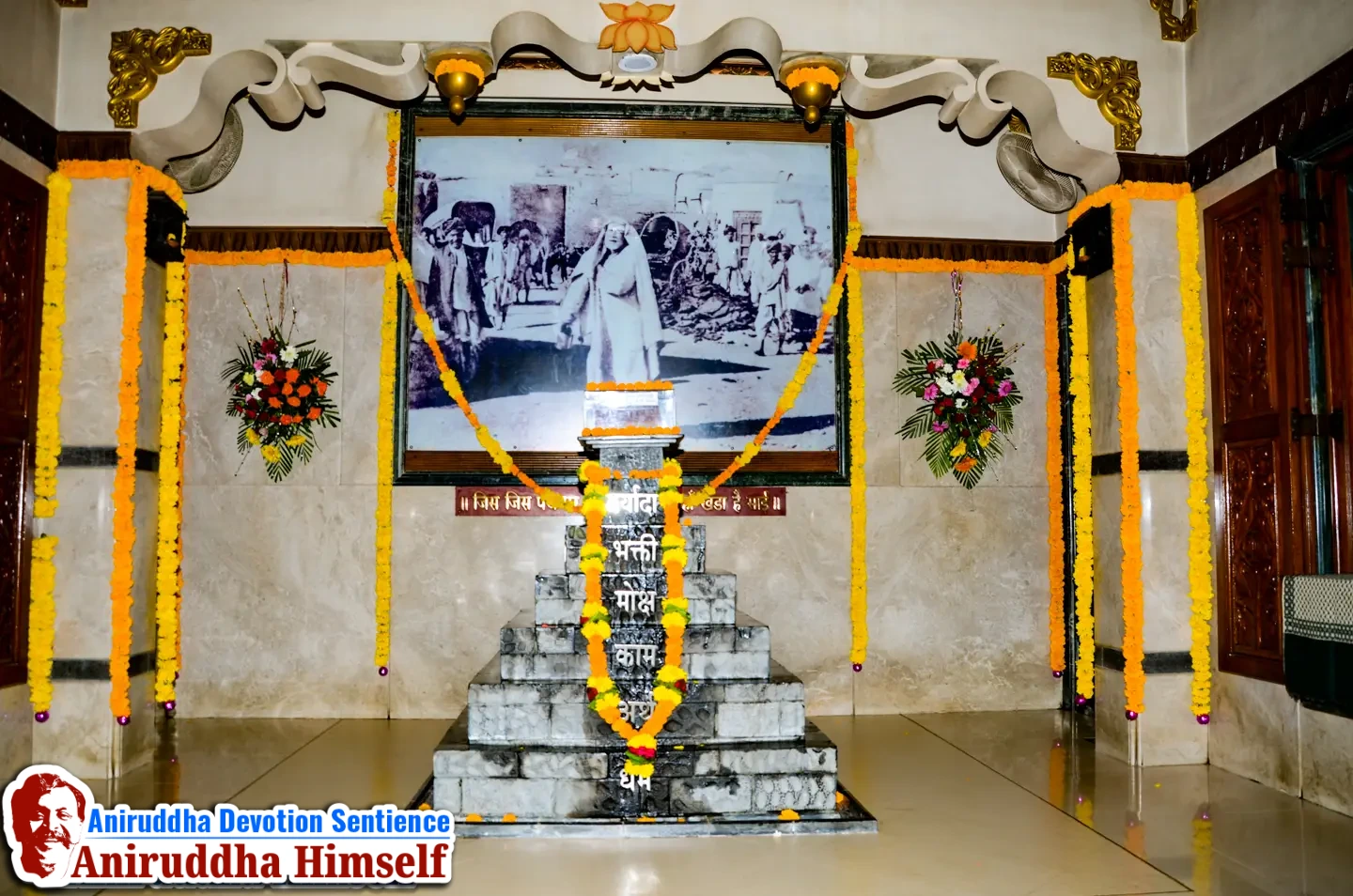
As per the sacred resolve of Sadguru Shree Aniruddha, the Samadhi of Adyapipa was established here at Gurukul on 19 April 2007. The Udi personally bestowed by Shree Sainath, along with the sacred urn containing Adyapipa's mortal ashes, has been enshrined within the Samadhi.
The Samadhi is made up of six steps. The first five steps represent the five Purusharthas—Dharma, Artha, Kaam, Moksha, and Bhakti—while the sixth and highest step represents Maryada Purushartha, established by Sadguru Shree Aniruddha Bapu Himself. Above these six steps rests the very copy of the Shree Sai Satcharitra that Adyapipa used to read regularly.
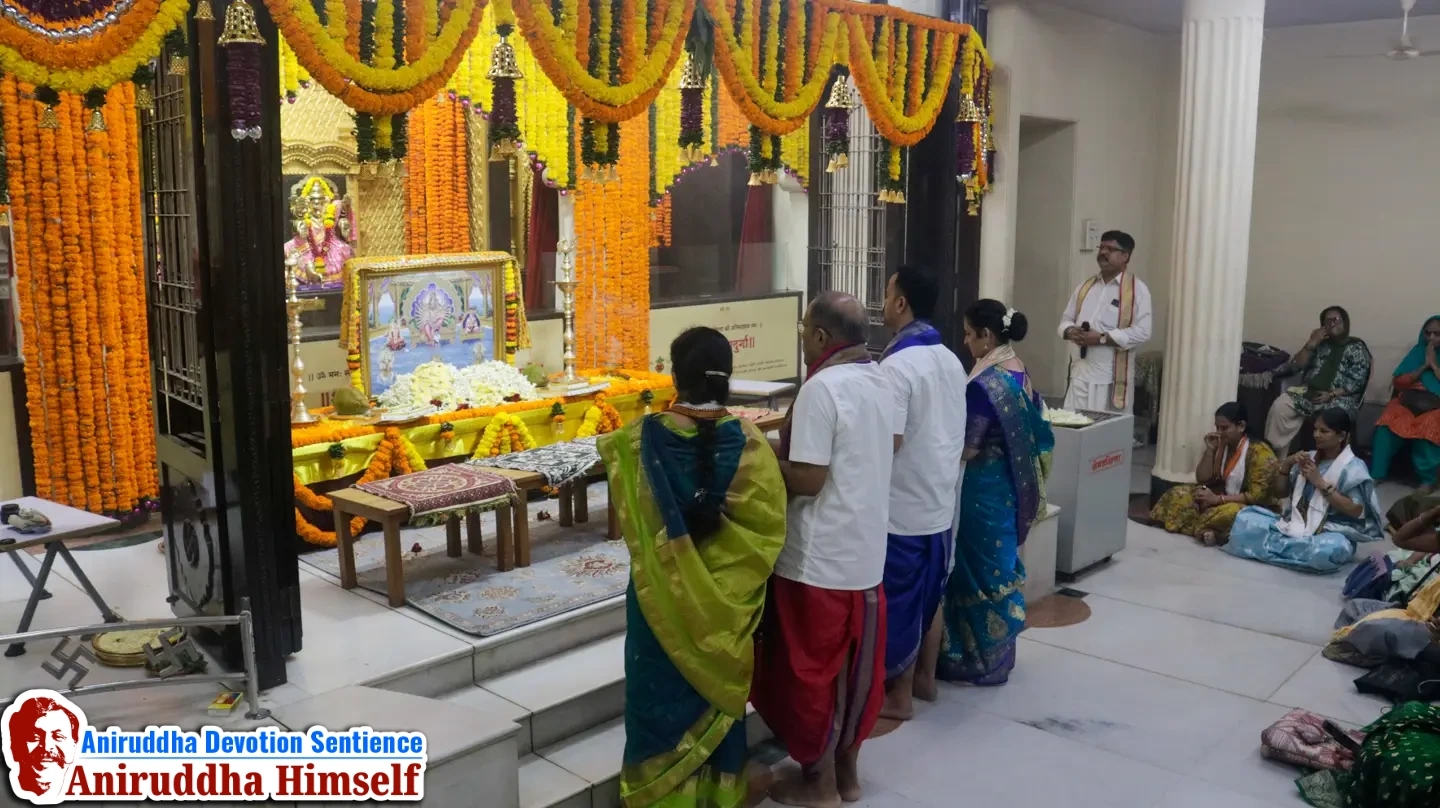
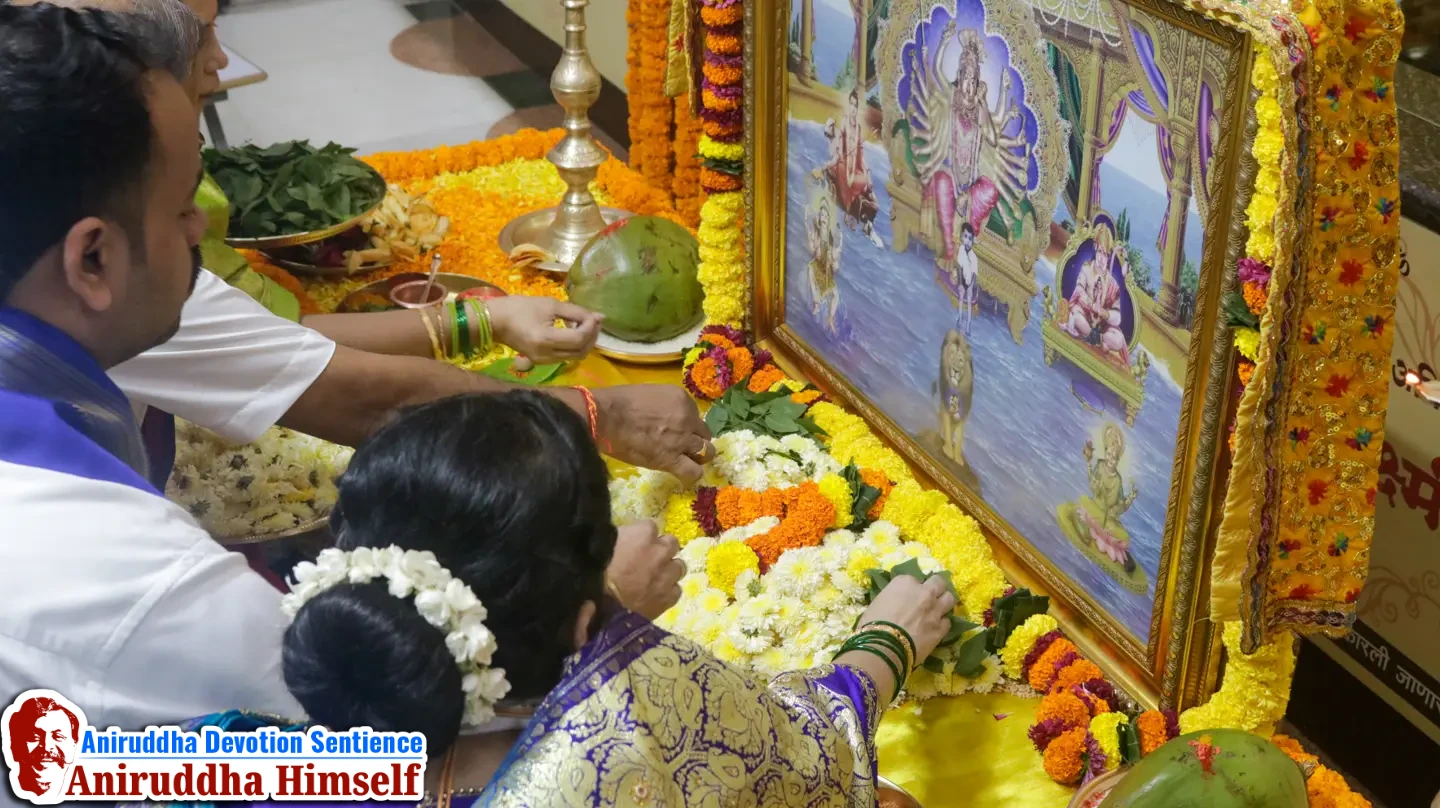
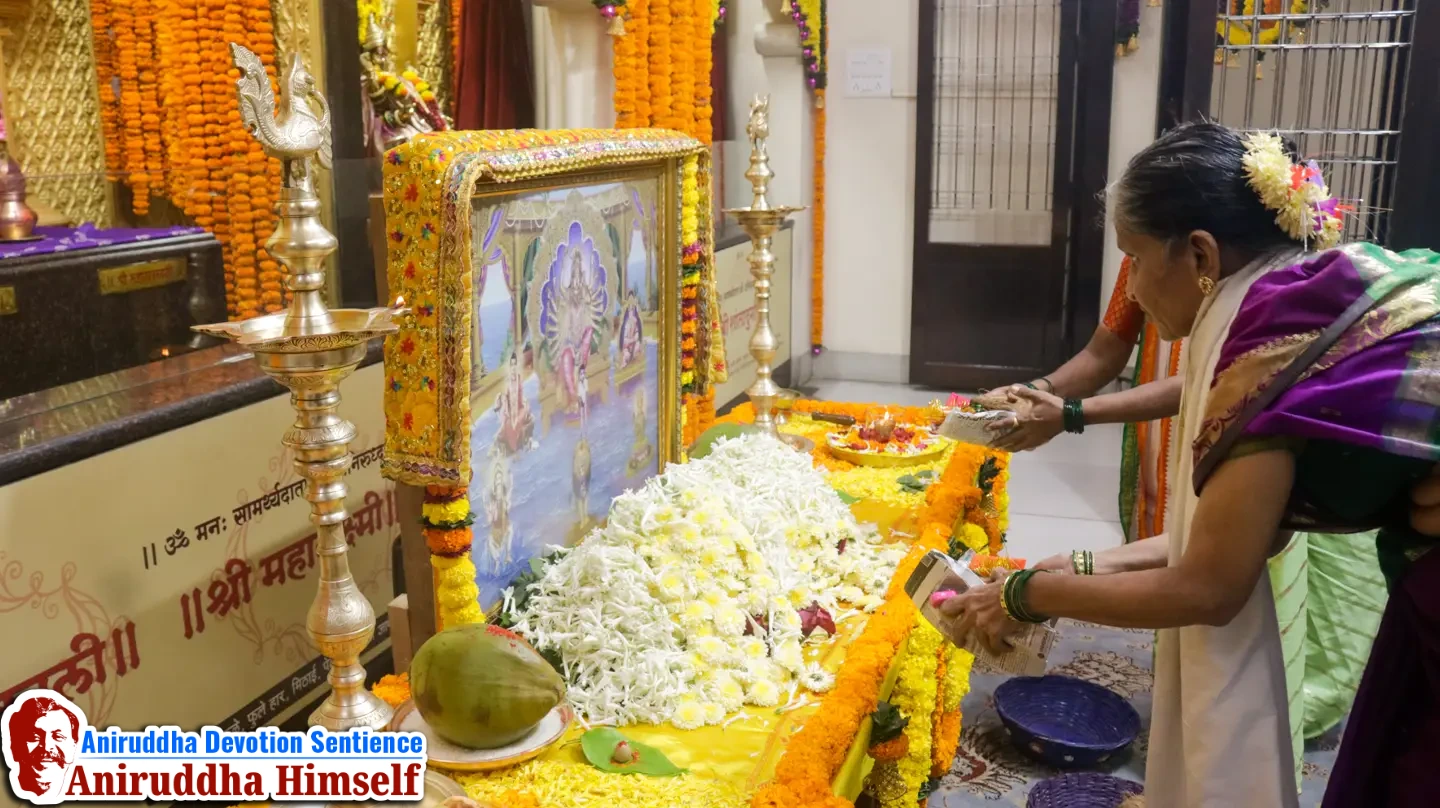
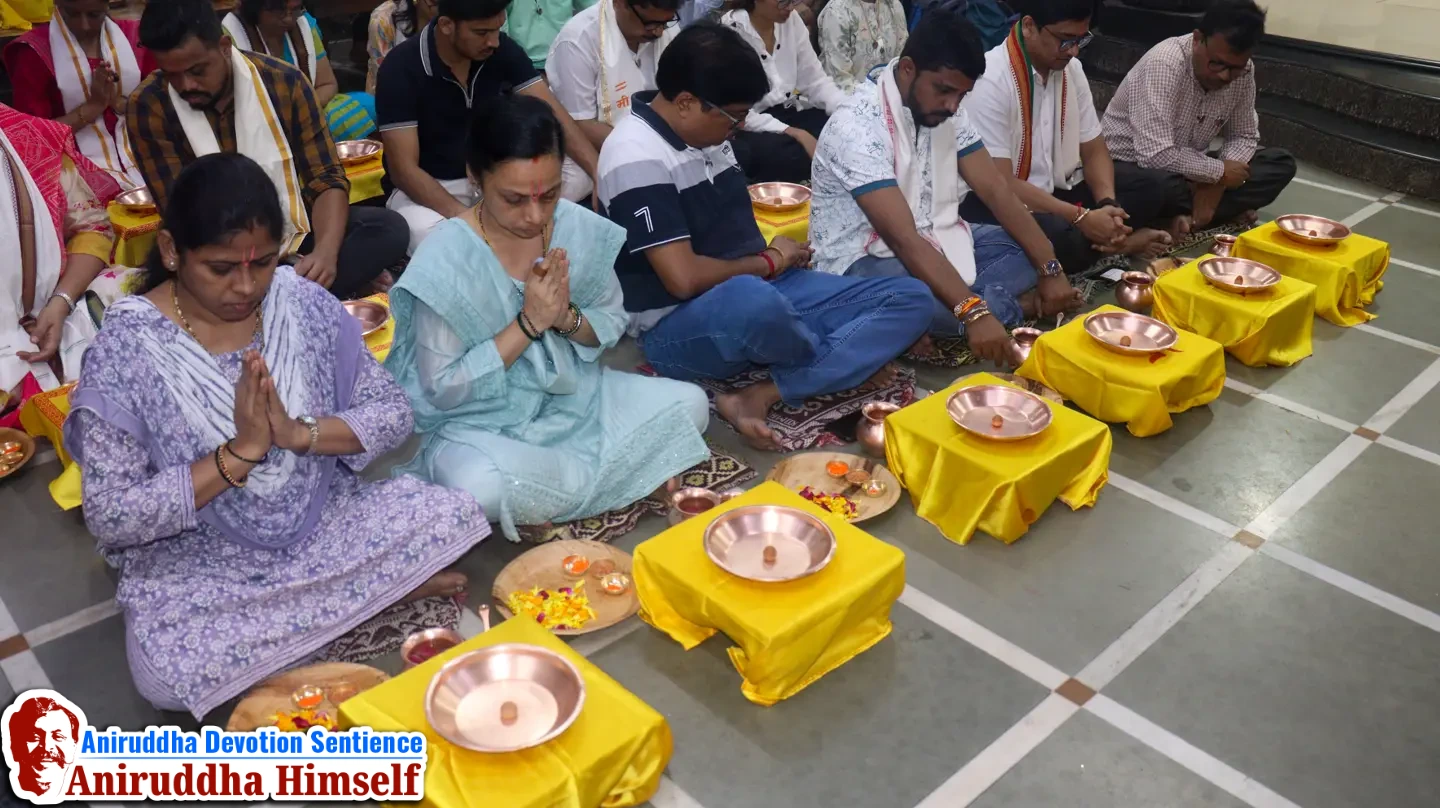
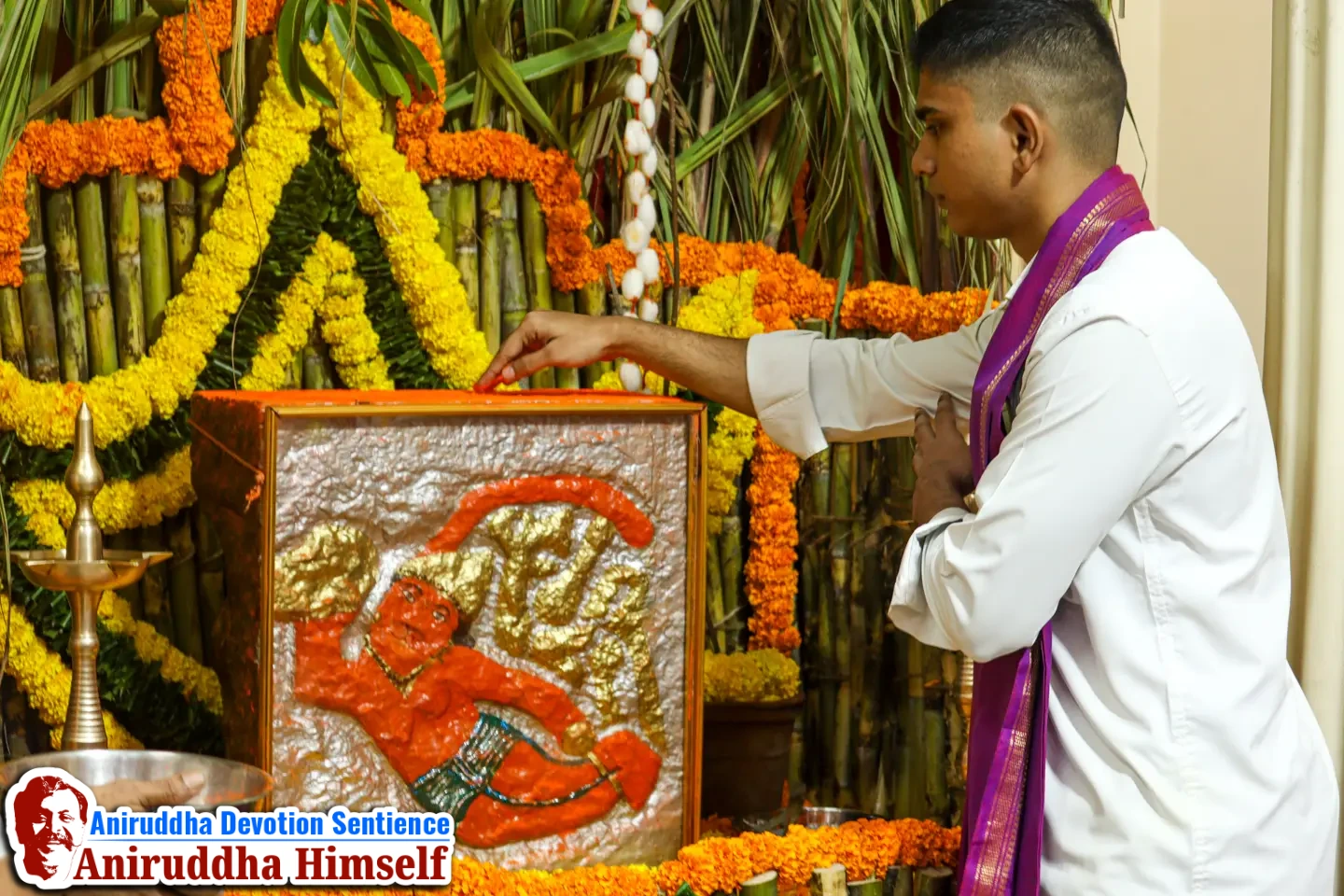
Every year during the holy month of Shravan, Ashwattha Maruti Poojan is performed at Gurukul on Saturdays. Likewise, the Lalita Panchami Utsav during Ashwin Navratri and the Vaibhavalakshmi Utsav during the holy month of Margashirsha are celebrated here with great devotion.
Address
Sadguru Nivas, Gurukul, Sector 23, Juinagar, Navi Mumbai, Maharashtra 400706
View on MapTime
8 am onwards