The Puris and Dhams of Shree Jagannath Ashtateerthadham Mahotsav
In the Shree Jagannath Ashtateerthadham Mahotsav, along with the Shree Jagannath Kshetra, three Puris — Shreesantpuri, Yadnyapuri, and Mokshapuri — and five Dhams — Shreepatitpavan Dham, Shreehayagreeva Dham, Shreesavitri Dham, Pitrudham, and Aniruddhadham — were built. We will now explore the information and features of each of these Dhams.
Shreesantpuri
The opportunity to become completely immersed in the resounding chant of ‘Shree Krishna Govinda Hare Murari, He Nath Narayan Vasudeva Radhe...’ was experienced only in this Shree Santpuri. The continuous chanting of Shree Krishna’s holy name transformed Santpuri into what felt like the dwelling place of all saints, and so profound was the devotional atmosphere that every Shraddhavan seemed to experience the living presence of Shree Gaurangachaitanya Mahaprabhu throughout Shree Santpuri.
Yadnyapuri
Agni (fire), Deep (light), Aarti, Dhuni (sacred fire), and Pavitra Jyoti (divine flame) are regarded as the five fundamental elements of the Yadnya Purush (Parmatma). In accordance with the prescribed code of Yadnya rituals, five different types of Yadnyas were conducted in Yadnyapuri. The chanting of the mantras of Shree Dattaguru, Shree Jagannath, Shree Ram, Shree Parabrahma, and Shree Chaturvyuha continued there incessantly throughout the Mahotsav.
Mokshapuri
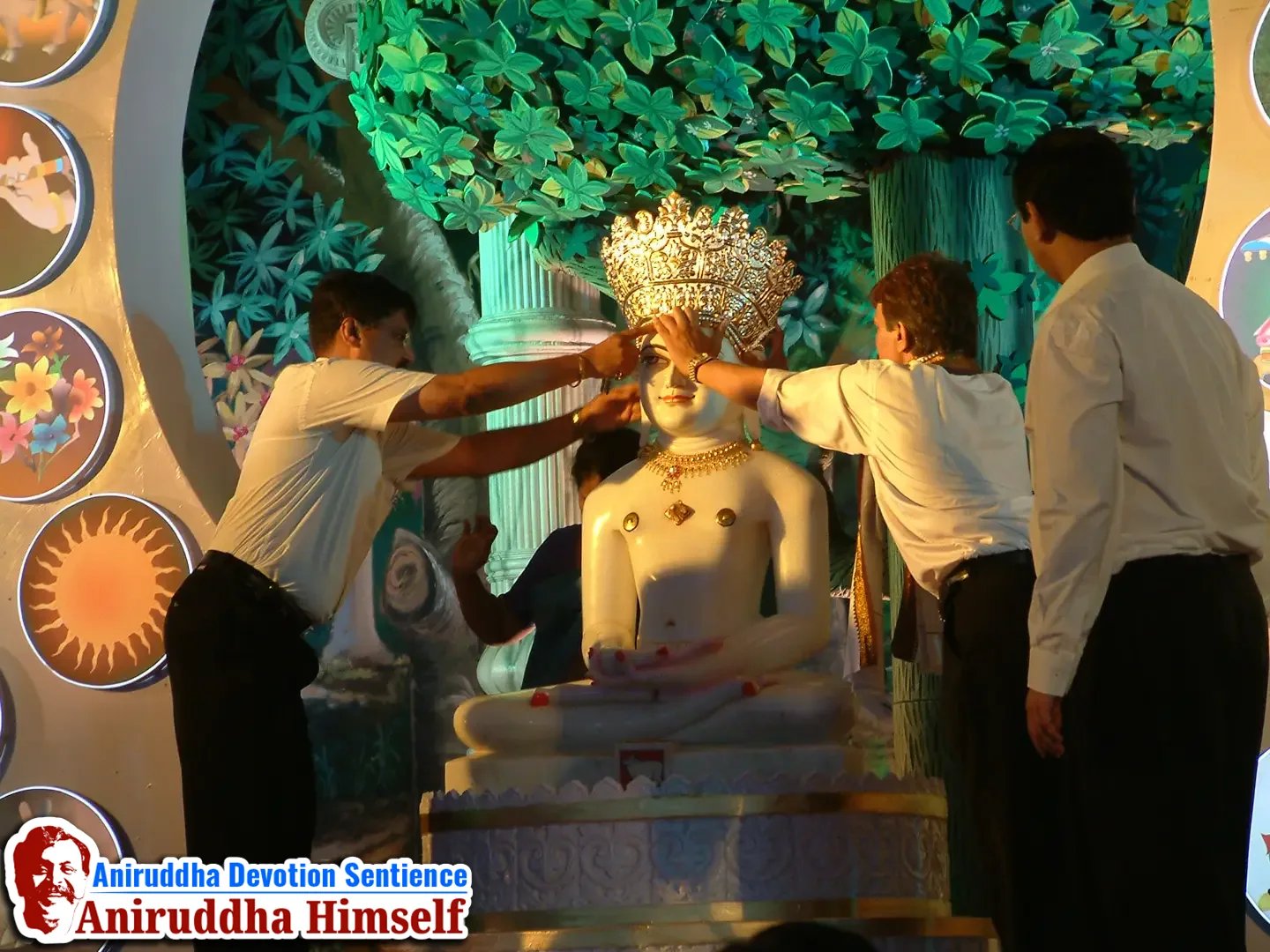
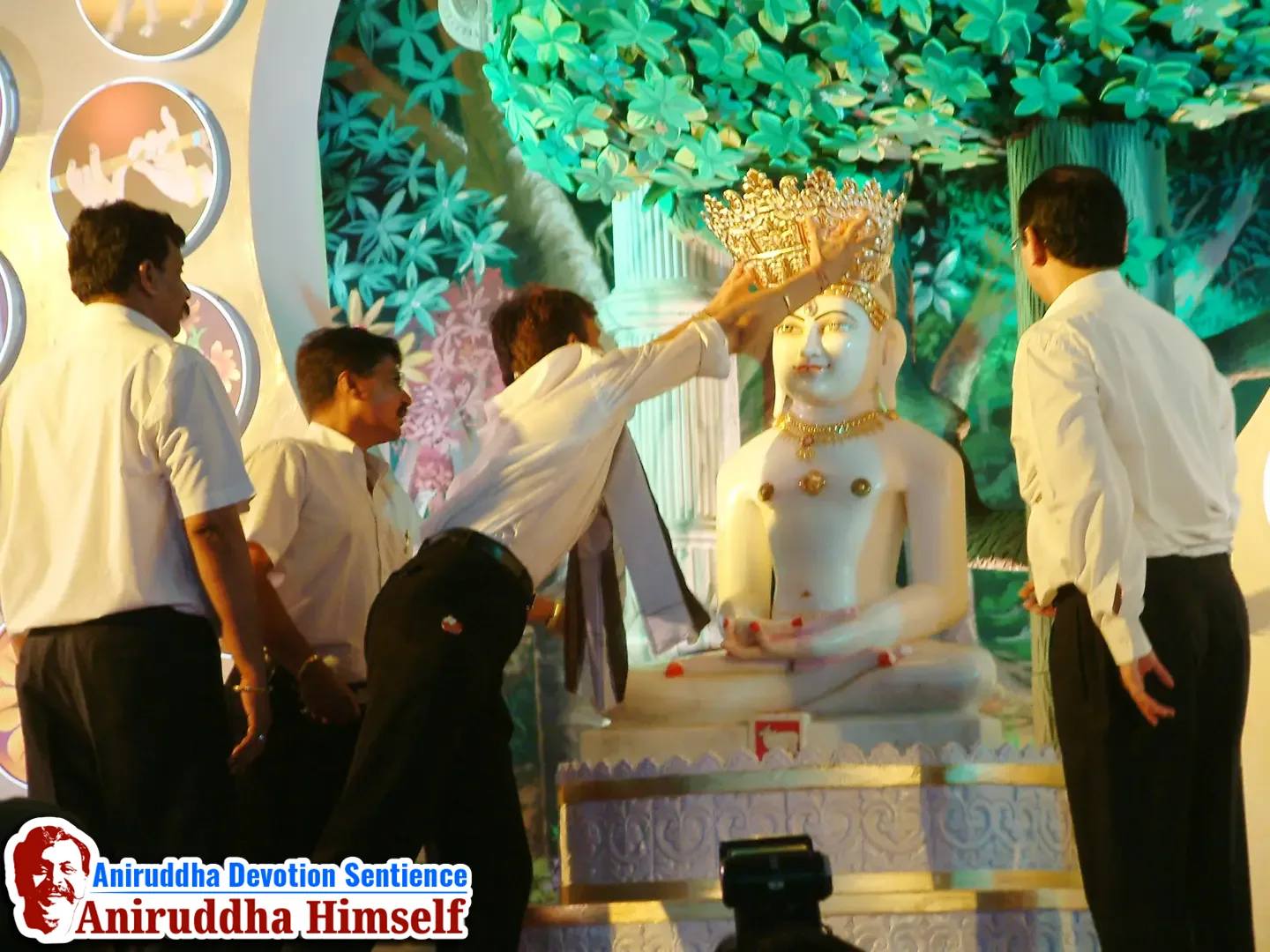
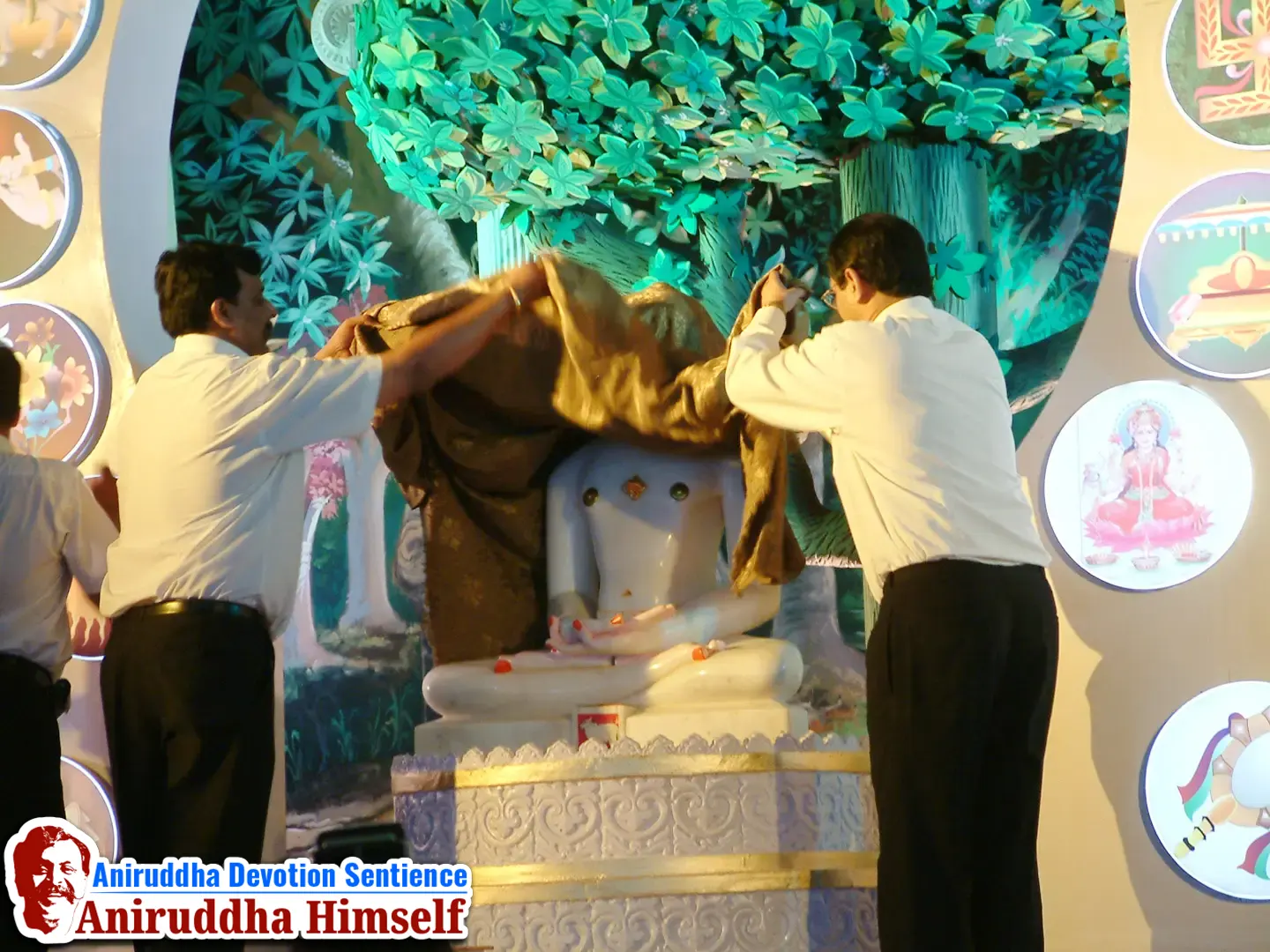
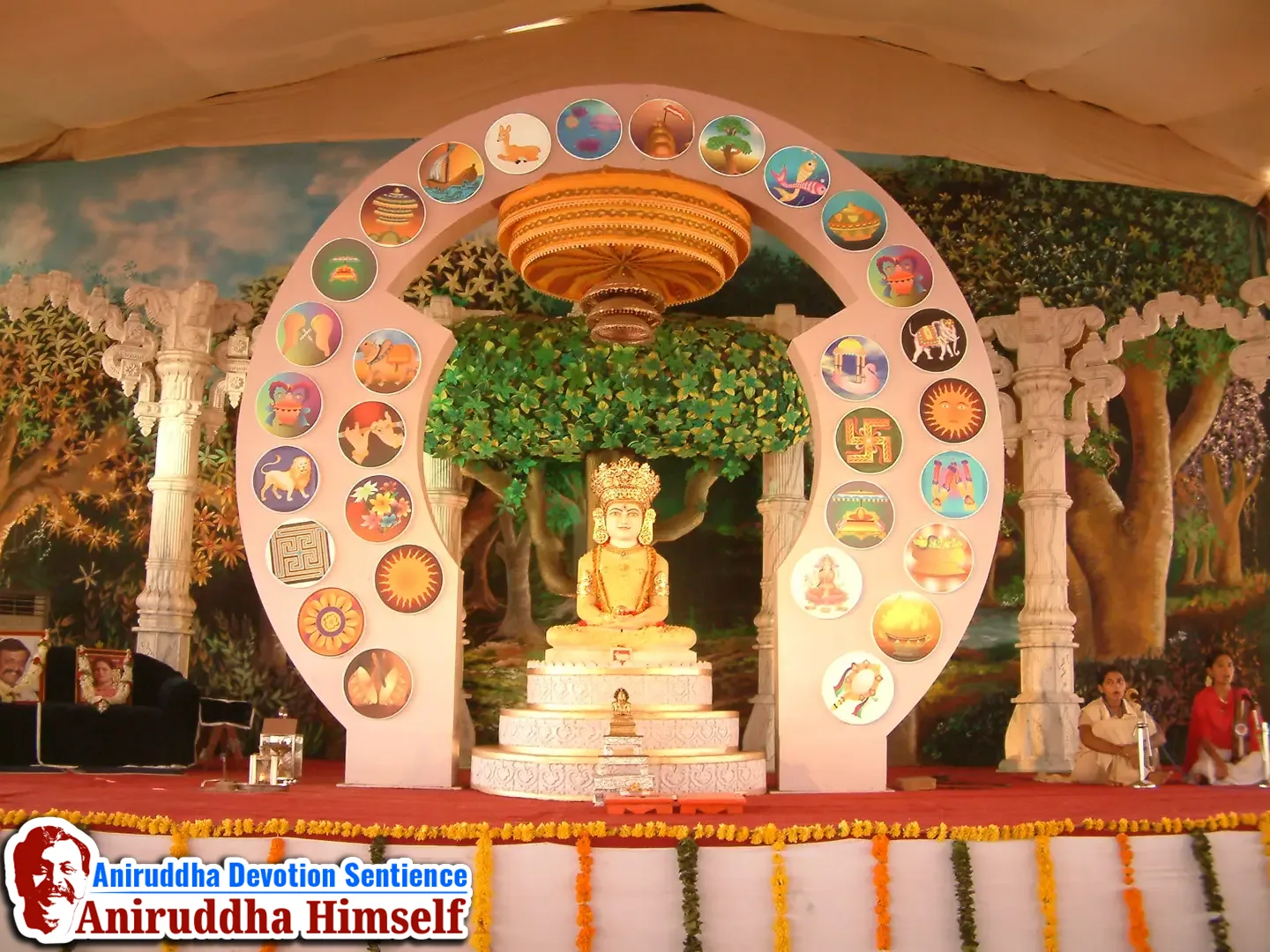
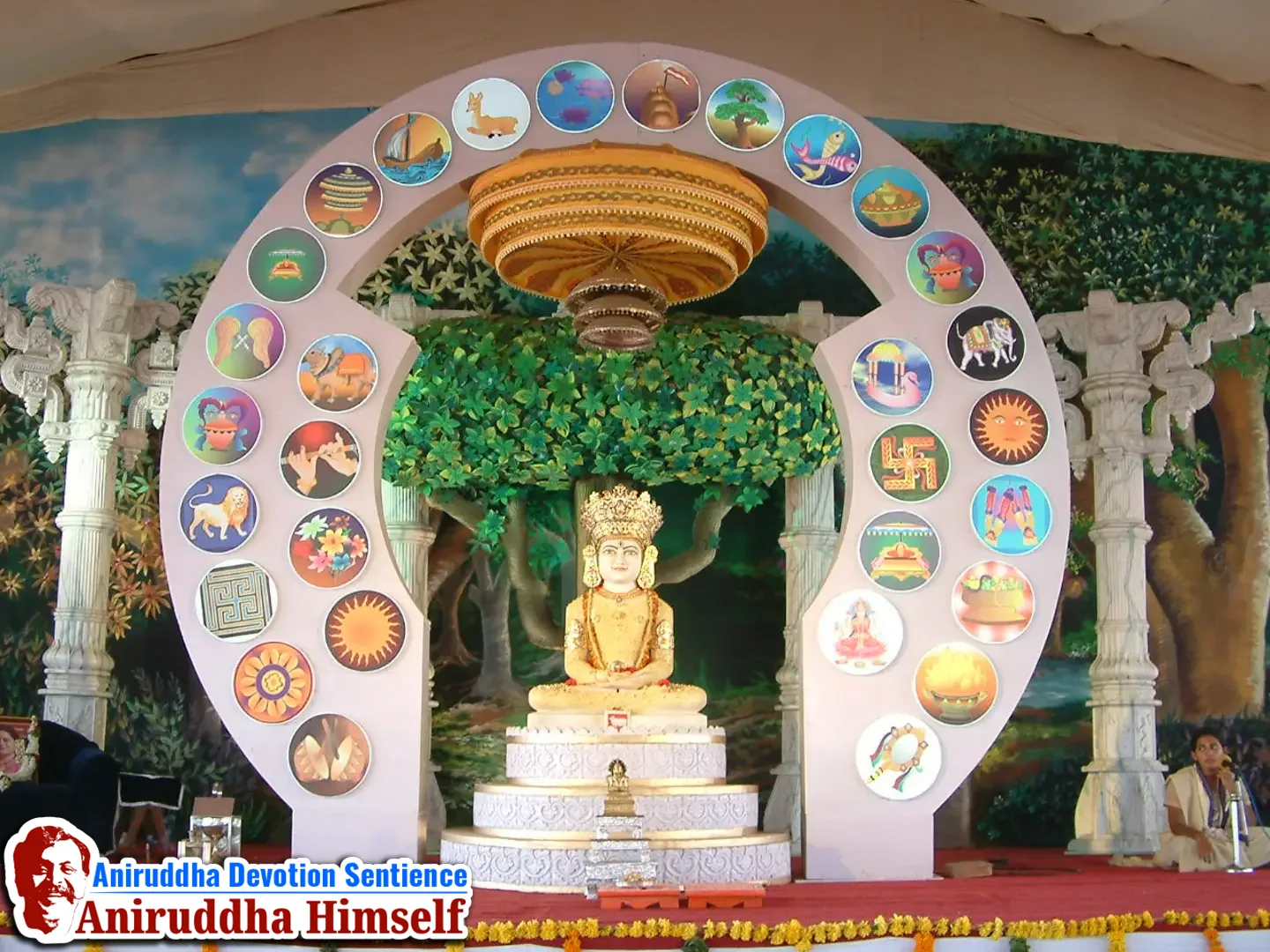
The concept of attaining Moksha (liberation) has always held a special attraction for the Indian mind. In Mokshapuri, a murti of Shree Bhagwan Rishabhanatha, the first Tirthankara of Jainism, had been consecrated. He is also regarded as an incarnation of Bhagwan Vishnu.
Here, Sadguru Shree Aniruddha had made a solemn Sankalpa to perform one crore recitations of the Navkar Mantra. Yet, through the devotion and enthusiasm of the Shraddhavans, the total recitations surpassed even that sacred resolve. The Navkar Mantra is regarded as one of the most exalted and sanctifying mantras, revered for its immense spiritual power.
Idol of Shree Bhagwan Rushabhanath at Mokshapuri during Shree Jagannath Ashtateerthadham Mahotsav
Shreehayagreeva Dham
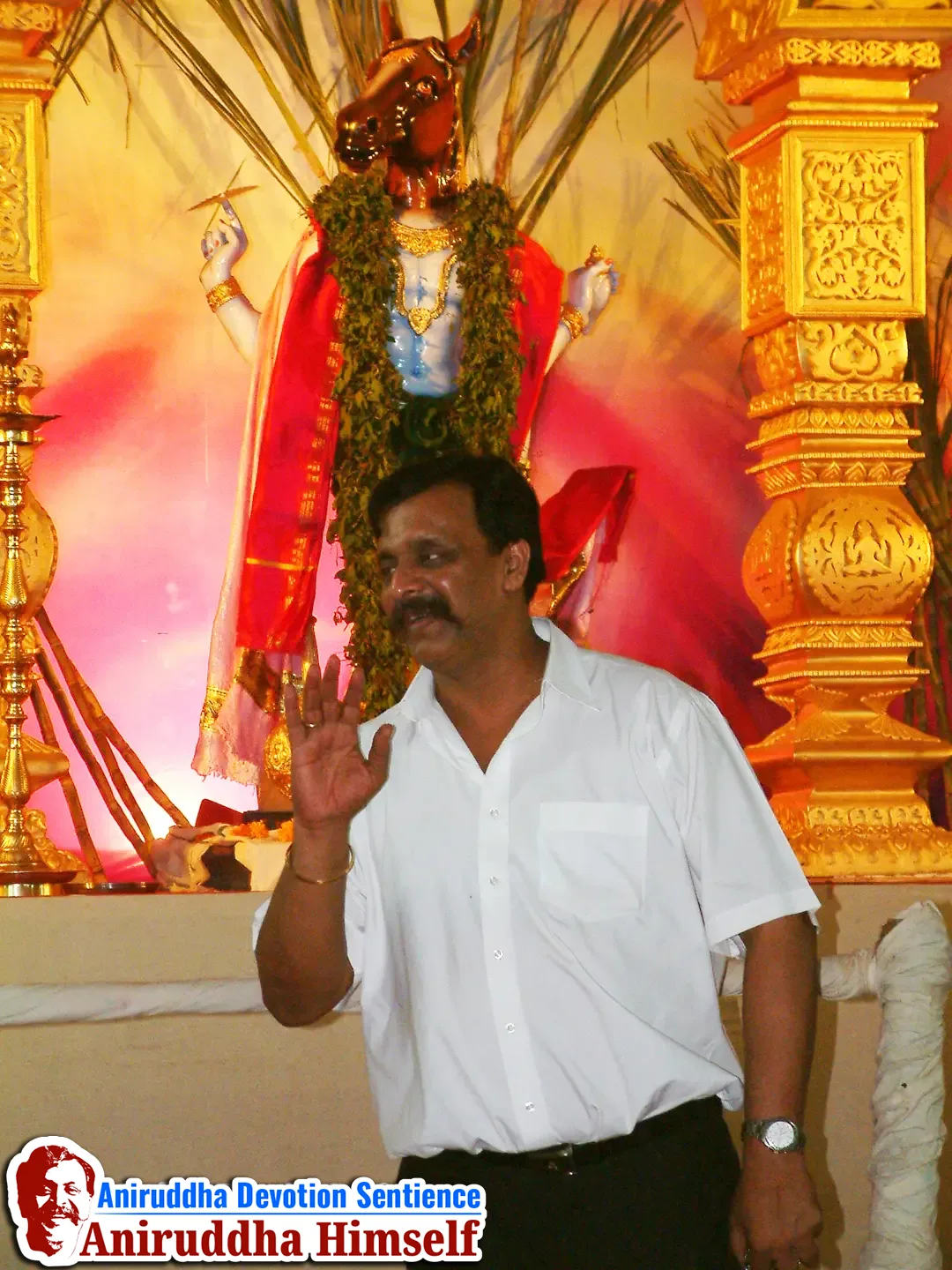
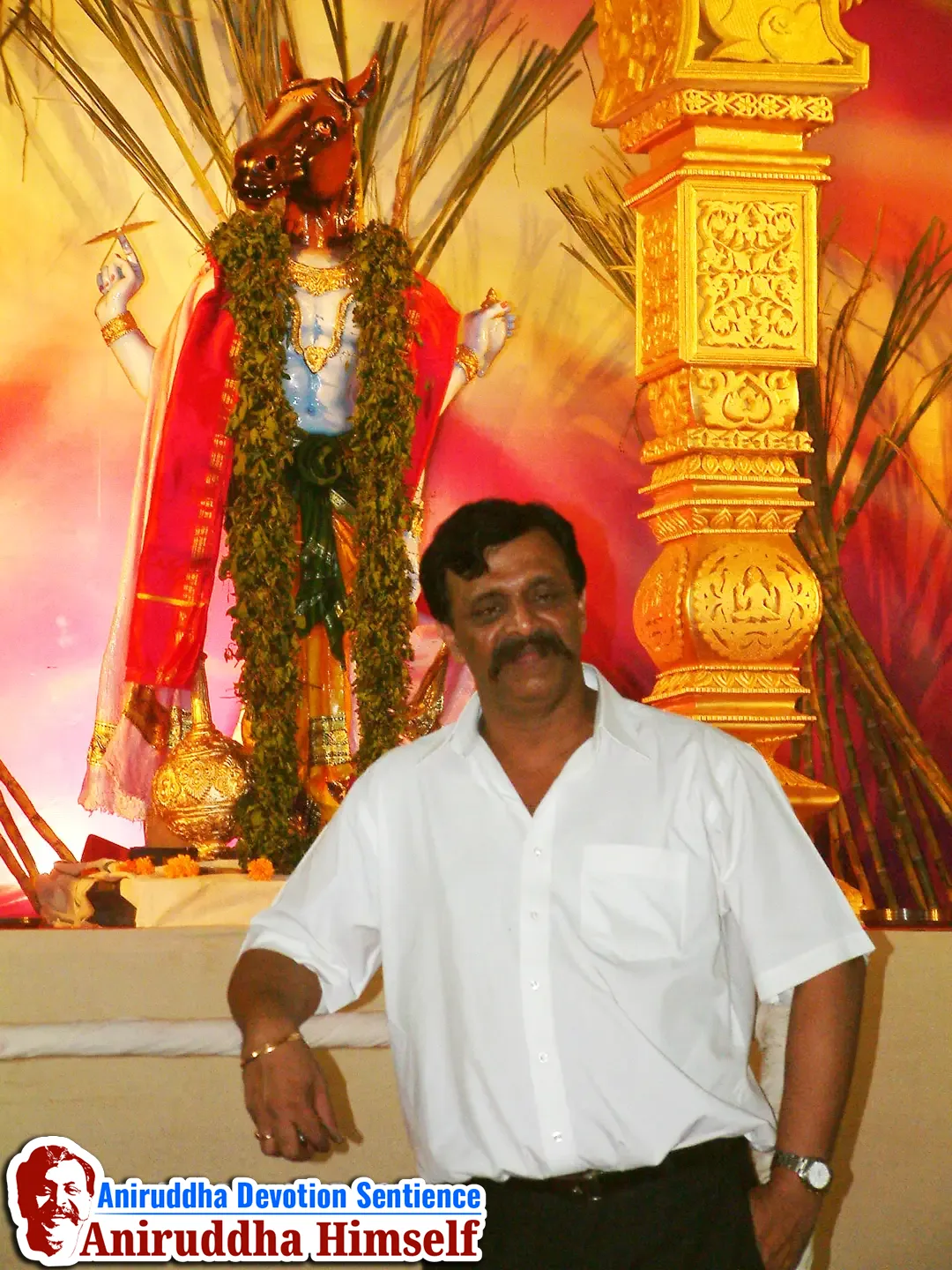
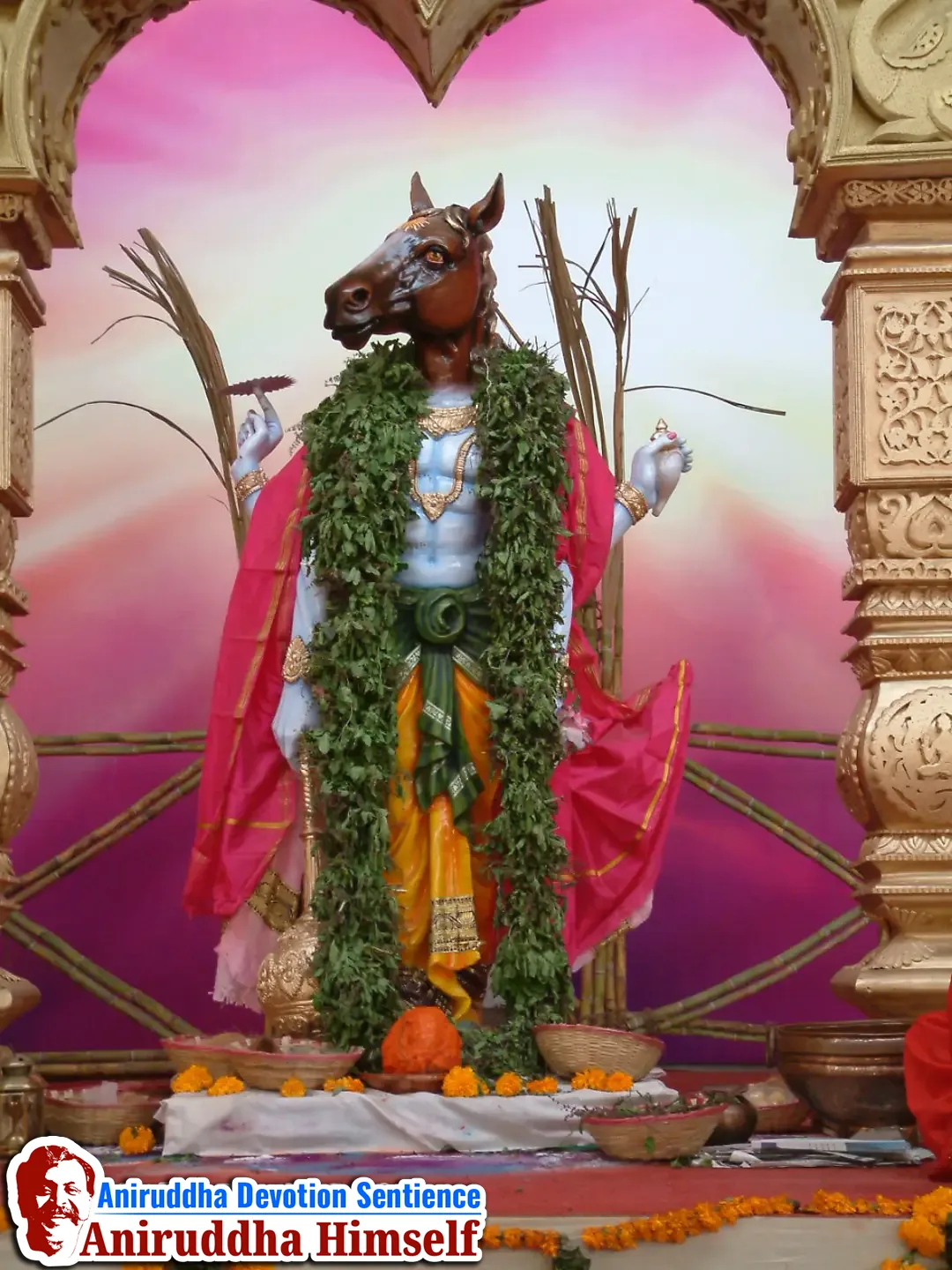
Hayagreeva is an incarnation of Mahavishnu depicted with the head of a horse. A symbol of divine strength and power, Hayagreeva is always accompanied by the goddesses Bala and Atibala. In order to facilitate the maximum reception of positive spiritual energy, entry to this Dham was reserved exclusively for male devotees.
Another purpose behind this arrangement was to inspire male devotees to become more conscious of their personal duties and their responsibilities towards their families and society. Chavya Muni, Parashara Rishi, Agastya Rishi, and Arjuna were among the ardent devotees of Hayagriva, this divine incarnation of Mahavishnu.
Shree Hayagreeva, the horse-faced Avatara of Mahavishnu in Shreehayagreeva Dham
Shreesavitri Dham
Adimata Savitri is regarded as the embodiment of feminine power, while Sulakshana Savitri, the devoted wife of King Satyavan, is revered as the symbol of devotion and steadfast loyalty. The idols of both Adimata Savitri and Sulakshana Savitri were consecrated in Shree Savitri Dham. The purpose behind establishing this Dham was to nurture within women the qualities of devotion, strength, and steadfastness, enabling them to fulfil their responsibilities as both mothers and wives with confidence and grace. Daily worship was offered here to Savitri, who, through her unwavering devotion and determination, brought her husband's life back from the very jaws of death. This Dham was open to all women, including young girls, married women, unmarried women, widows, and elderly women.
Pitrudham
Every individual harbours a desire to perform sacred rites and fulfil their duties towards their ancestors. At Pitru Dham, every Shraddhavan was given the opportunity to offer Bilva leaves to a symbolic murti representing Bhagwan Shivashankara in His Paramahansa Banalinga form, which is believed to bestow peace upon the soul after death. Continuous chanting of sacred mantras was carried out at this Dham throughout the Mahotsav.
Aniruddhadham
The Aniruddha Dham was lovingly created by the Shraddhavans of Sadguru Shree Aniruddha out of their deep devotion for their Sadguru. Here, Shraddhavans were provided with information about the various devotional services offered along with information about the many noble works and missions undertaken by Sadguru Shree Aniruddha for the welfare of all.
Shreepatitpavan Dham
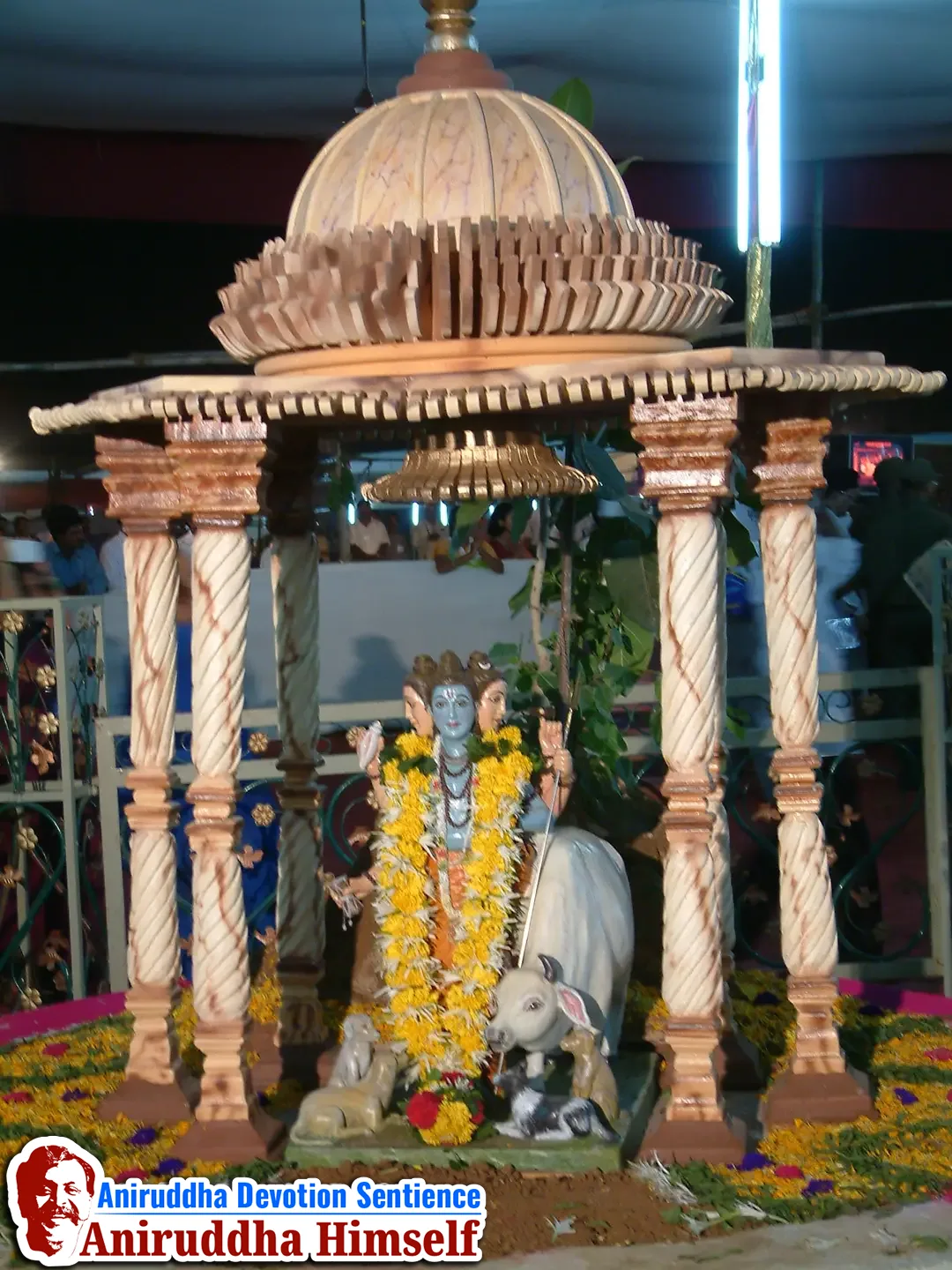
A grand sacred water reservoir (Jal kunda) formed the centrepiece of Shree Patitpavan Dham. The waters of seven holy rivers had been collected and stored in this reservoir. Within it were planted branches of the Banyan (Vad), Peepal, and Audumbar trees. A murti of Shree Dattadigambara, crafted using the sacred soil of Gangotri and Yamunotri and the waters of the Ganga and Yamuna rivers, was consecrated in this reservoir.
Shraddhavans performed pradakshina around the sacred water reservoir. As per the guidance of Sadguru Shree Aniruddha, the location and design of this holy Dham were created in a uniquely beautiful manner. The atmosphere there was deeply sacred and spiritually uplifting.
A Festival of Pure Devotion: Shree Jagannath Ashtateerthadham Mahotsav
During the Mahotsav, Mahabhog was offered daily to Shree Jagannath, and the Prasad was subsequently distributed to old-age homes and orphanages.
Countless Shraddhavans from across the world participated in the Shree Jagannath Ashtateerthadham Mahotsav with immense devotion and reverence. Even today, the cherished memories of this extraordinary festival continue to linger in the hearts of many