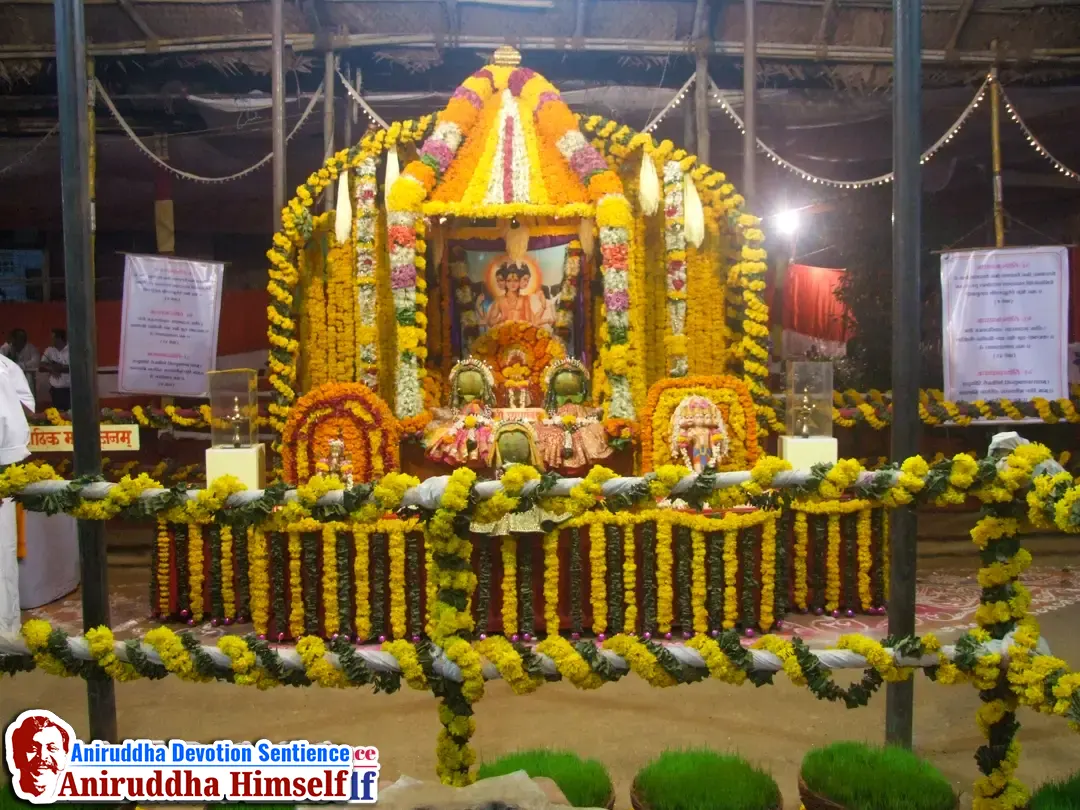
Shree Dattayaag
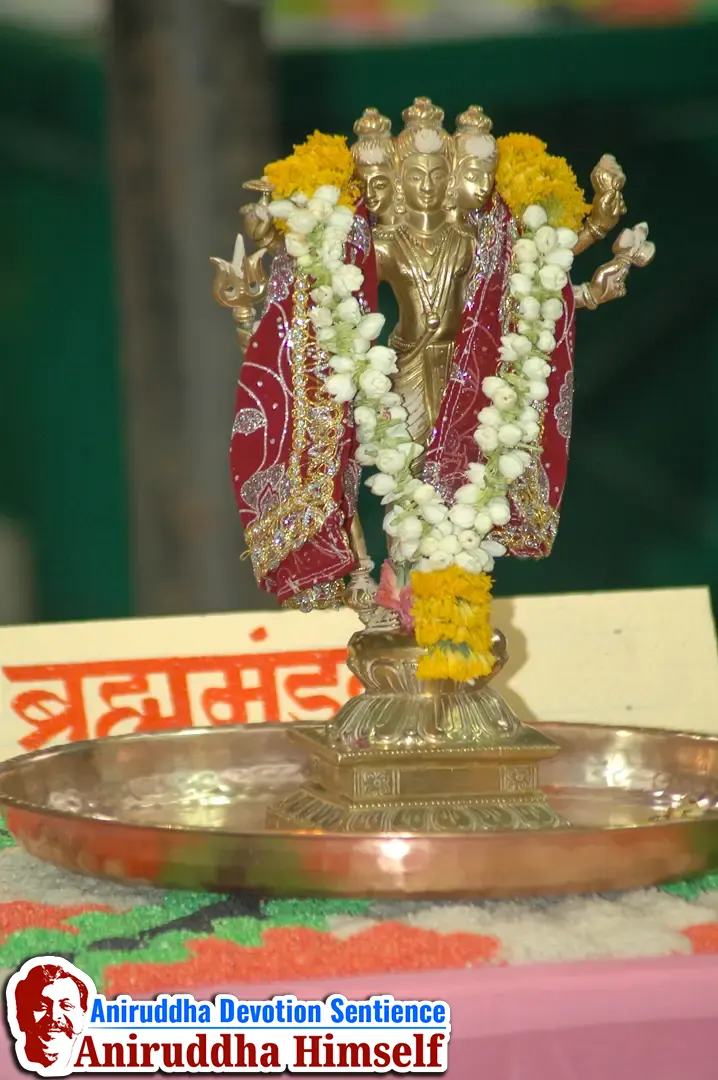
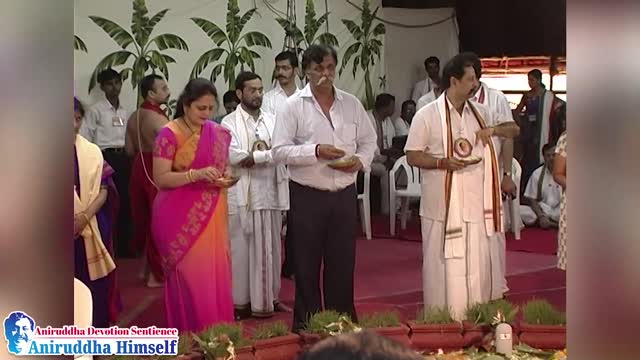
Shri Dattayaag was one of the most significant components of the Utsav, for which preparations had begun three years in advance. Eleven Shraddhavans had been undergoing a dedicated Anushthan in preparation for this sacred event. It was only after the successful completion of this Anushthan during the prescribed period that the Shree Dattayaag was commenced. Participation in this Shree Dattayaag bestowed an ultimate protective shield (Suraksha Kavach) upon the human body, mind, intellect, and Prana (life force).
The mantras of the Dattayaag were Vedic in origin, pure in essence, and firmly rooted in the teachings of the Shreemad Purushartha Grantharaj, the sacred scripture authored by Sadguru Shree Aniruddha Bapu. Also, one of the sacred outcomes of the Dattayaag was Niyati Chakra Parivartan Pradakshina, which provided Shraddhavans with a spiritual safeguard, akin to a vaccine, against any misfortune, adversity, or distress that may affect them in the present or in the future.
Niyati Chakra Parivartan Pradakshina
Niyati Chakra translates to the Cycle of Destiny. Every individual is entangled in this cycle of destiny and finds oneself caught within the patterns and circumstances shaped by it.
The responsibility, strength, capability, and power to transform my own cycle of destiny lie within me. I can certainly change my destiny and, in turn, the circumstances around me. I am capable of confronting and overcoming my Niyati Chakra; however, this requires immense faith in my Sadguru. It was this very strength to transform one's destiny that was bestowed through this Pradakshina. Hence, it came to be known as the Niyati Chakra Parivartan Pradakshina—the Circumambulation for the Transformation of Destiny.
Shree Sarvato Bhadra Kumbhayatra
Shree Sarvatobhadra Kumbha Yatra literally means the pilgrimage that brings about complete and all-round welfare of the Shraddhavans and society as a whole. For thousands of years, Bhartiyas have cherished Shree Kashi Yatra. Traditionally, this pilgrimage involves travelling to Kashi, collecting the sacred waters of the Ganga in a kavad (A balanced shoulder pole with two hanging pots), and carrying them to Rameshwaram to perform an abhishek on the Shivalinga of Bhagwan Rameshwar. Thereafter, water from Kanyakumari—where the three seas meet is carried back and offered to Kashi Vishweshwar. This sacred exchange symbolises the union of the individual soul (Jiva) with Shiva. It is this pilgrimage that is known as the Shree Sarvatobhadra Kumbha Yatra. Both Bhagwan Vishwanath and Bhagwan Rameshwar are manifestations of Bhagwan Shiva. Bhagwan Vishwanath at Kashi Vishweshwar represents the nurturing and sustaining aspect of Shiva, while Bhagwan Rameshwar represents the aspect that destroys enemies and obstacles.
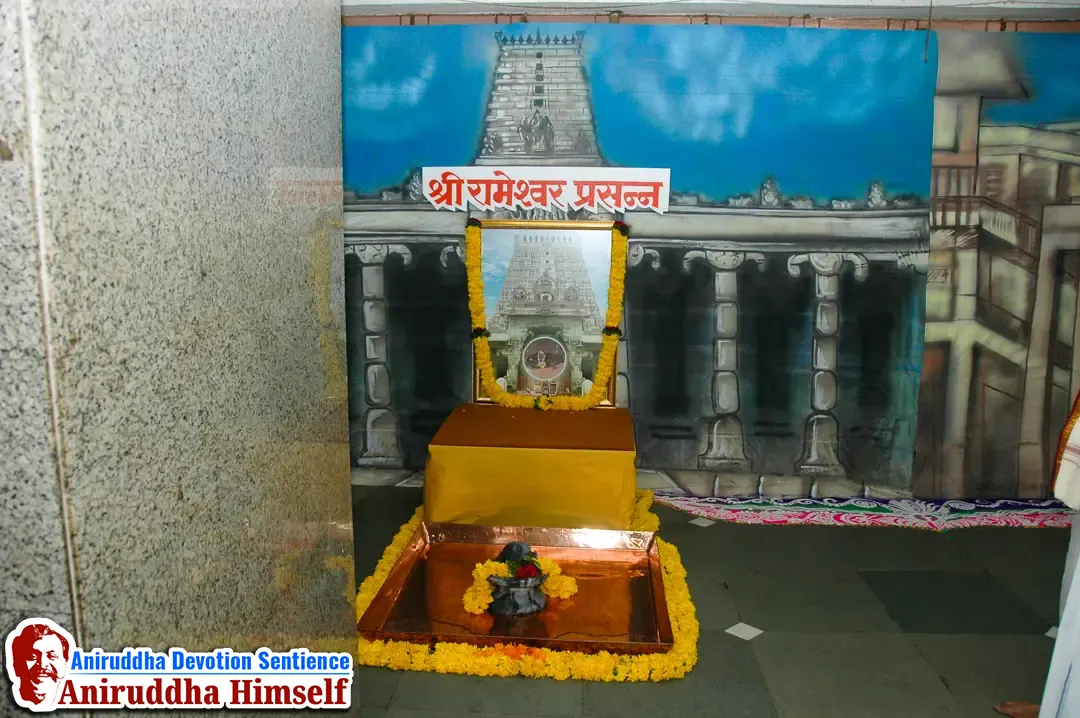
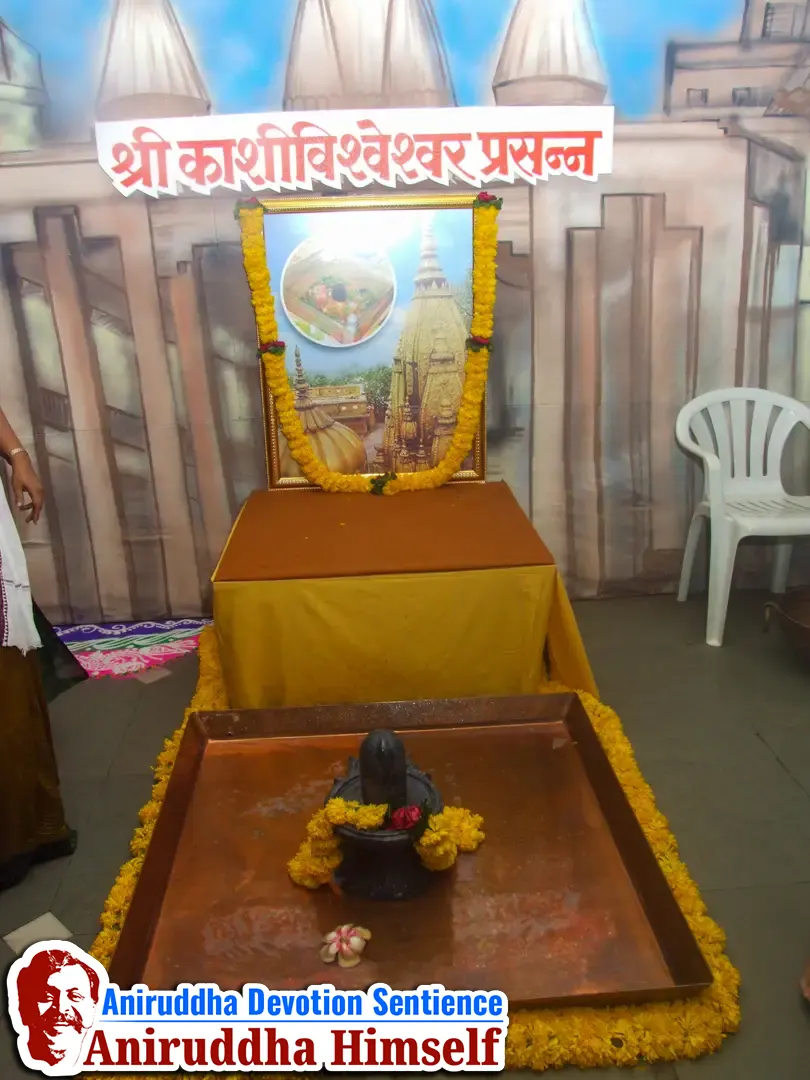
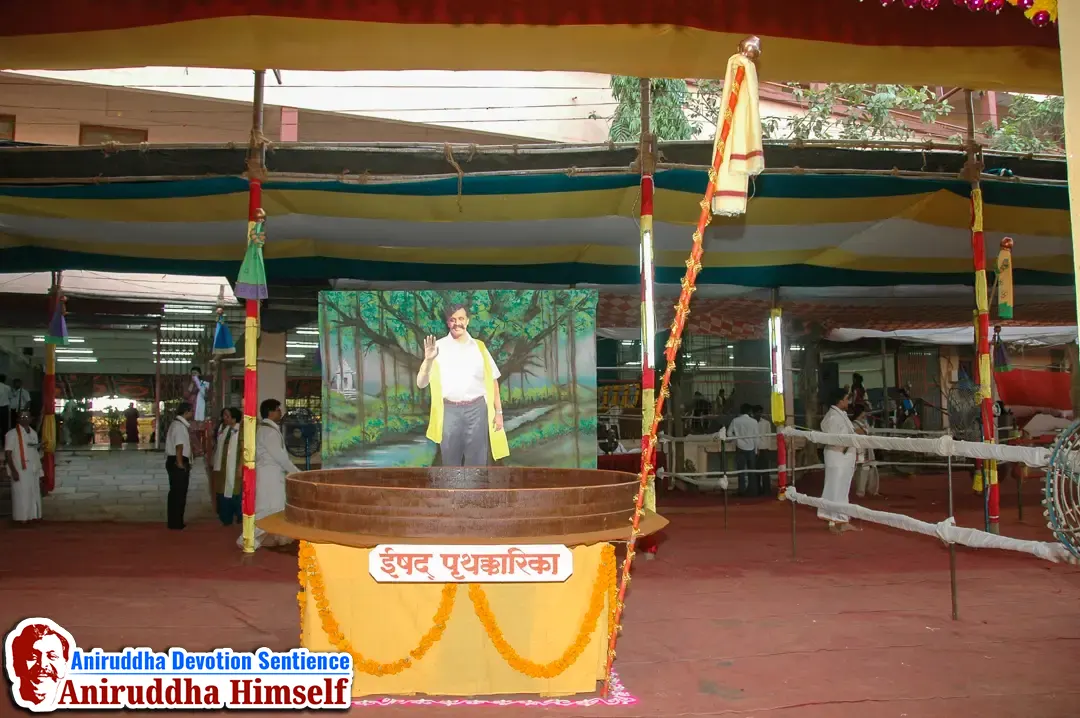
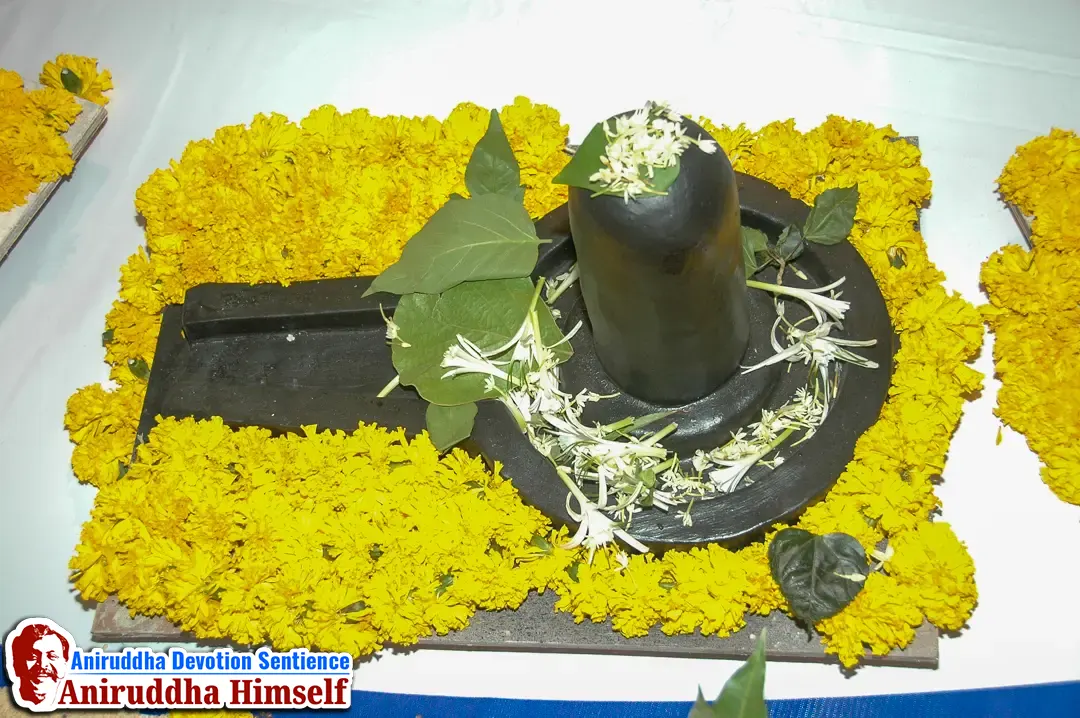
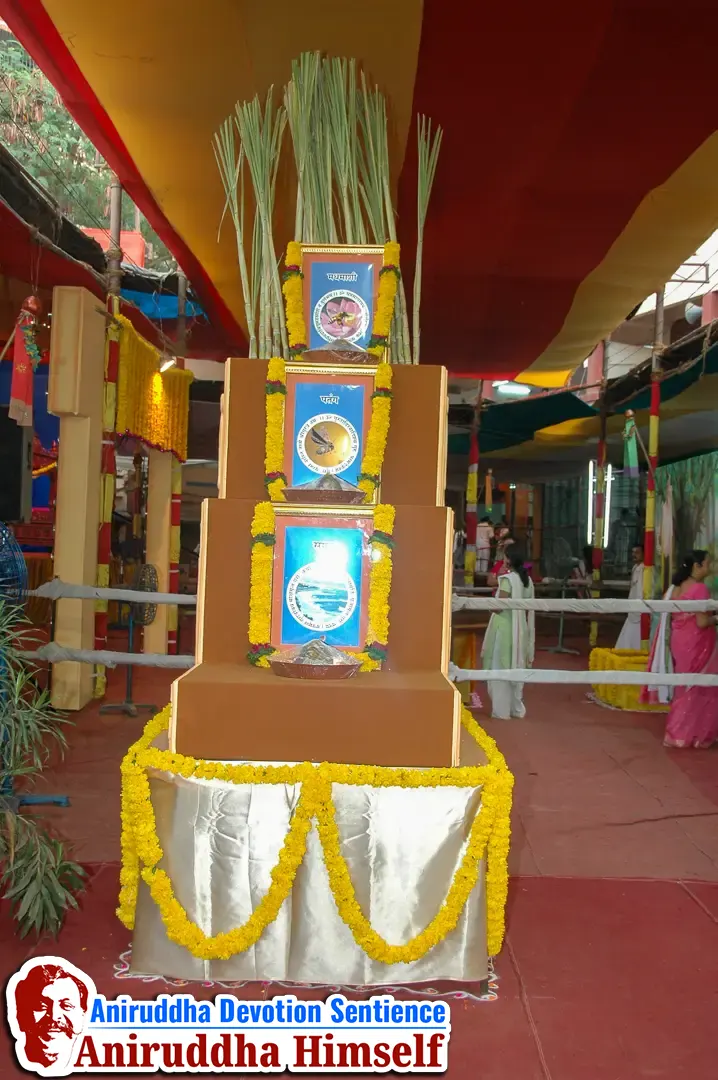
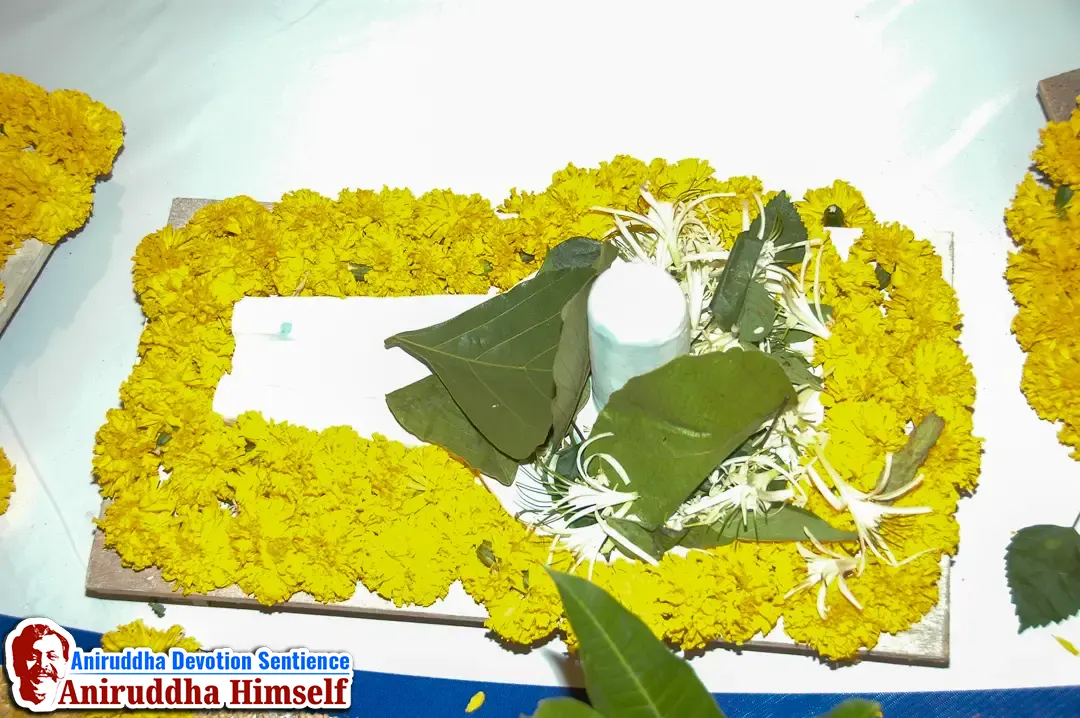
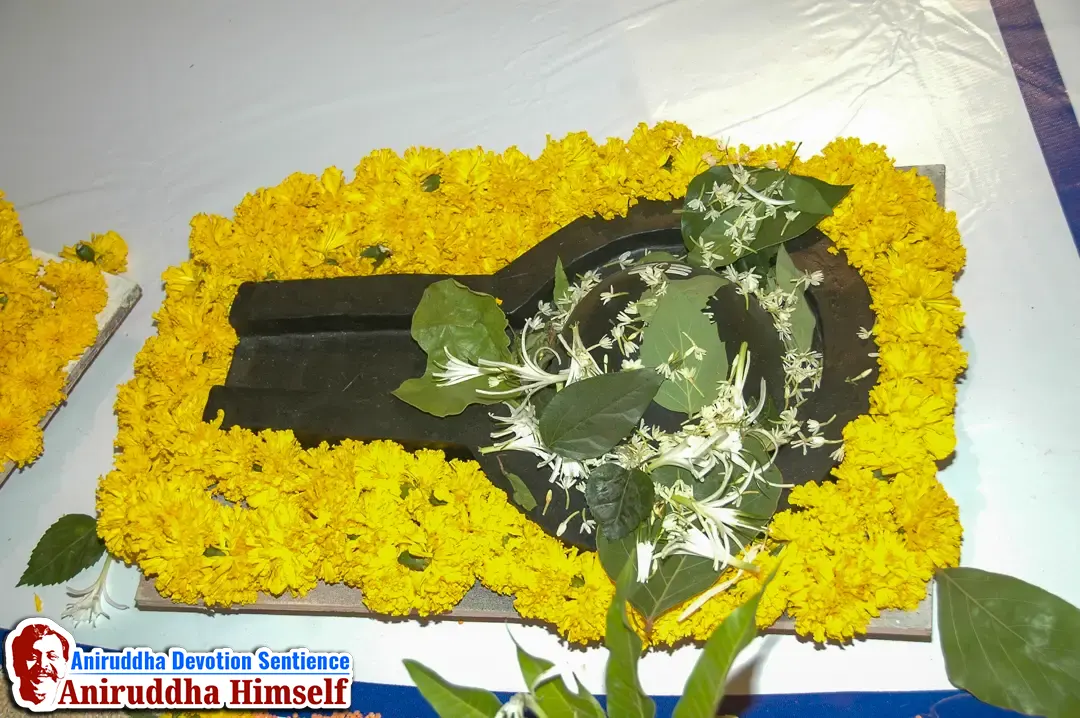
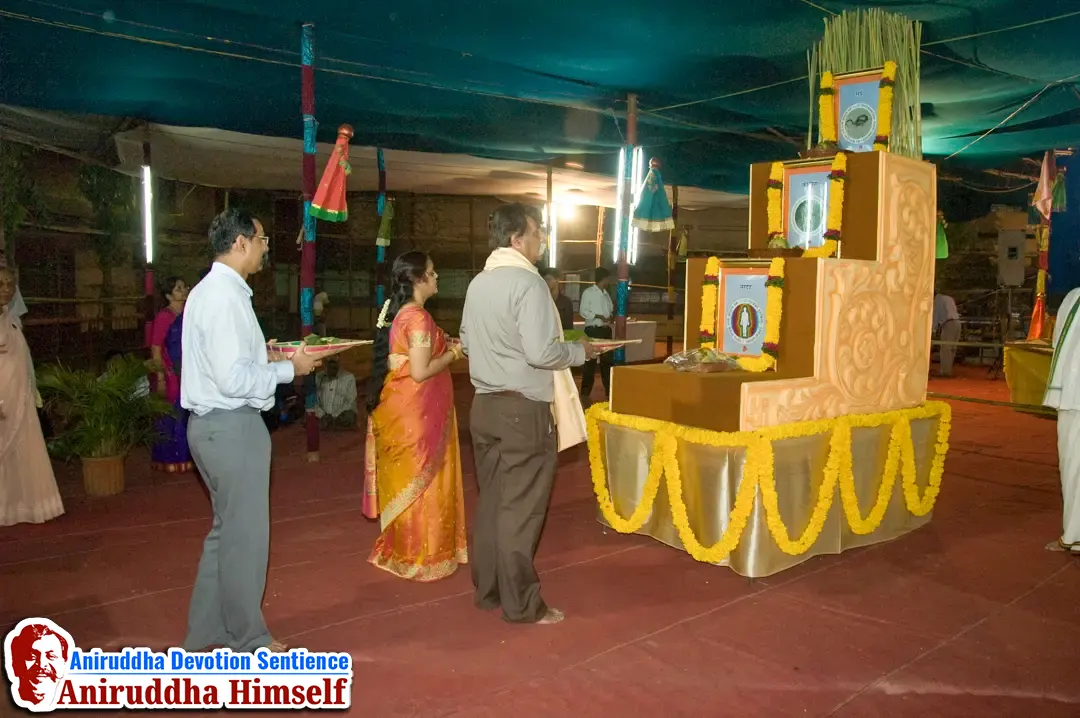
At Shree Avdhoot Chintan Utsav, during this Sarvatobhadra Kumbha Yatra, a reservoir containing the waters of the Ganga from Kashi Vishweshwar was placed on one side. Beside it, a photograph of Kashi Vishweshwar and a symbolic Shivalinga representing Him were placed. On the other side was a reservoir containing the sacred waters of Rameshwaram, accompanied by a photograph of Bhagwan Rameshwar and a symbolic Shivalinga representing Him.
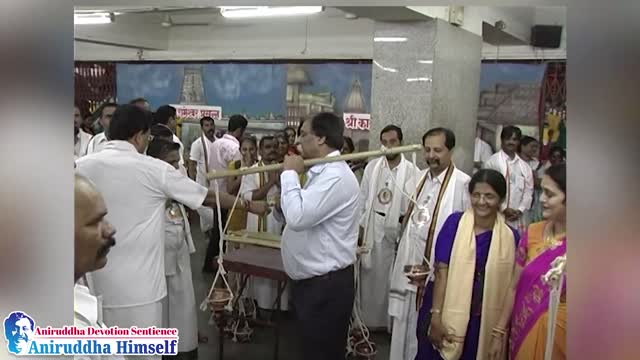
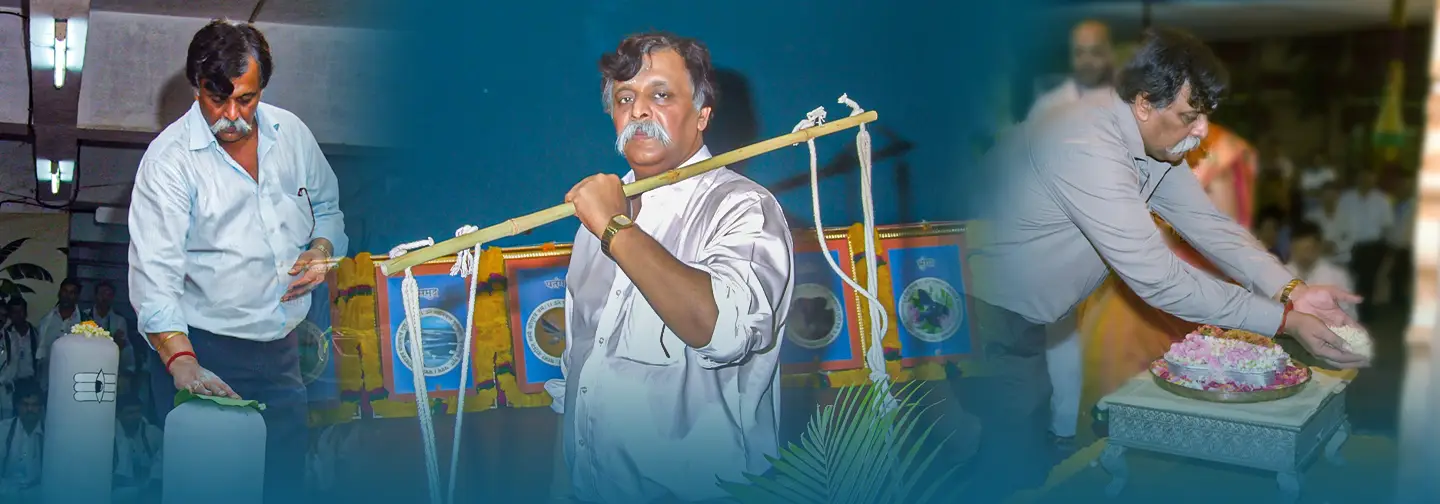
Every Shraddhavan participating in the Yatra was given a kavad. They first filled the kavad with the waters of the Ganga and, while performing Naam Pradakshina, carried it to offer an abhishek to Bhagwan Rameshwar. Thereafter, they filled the kavad with water from the reservoir of Rameshwaram and, once again performing Naam Pradakshina, carried it to offer an abhishek to Bhagwan Kashi Vishweshwar. Throughout the abhishek, the Shraddhavans reverberated the atmosphere with the resounding chant: “Parvatipate Har Har Mahadev!”
Shree Dwadasha Jyotirlinga Kailashbhadra Mahapoojan
The Shree Dwadasha Jyotirlinga Kailashbhadra Mahapoojan featured twelve symbolic Jyotirlingas arranged in a circular formation. At the centre of this arrangement, a Nandadeep (sacred oil lamp) burned continuously in a ceremonial vessel. The arrangement, size, and colour of these twelve Jyotirlingas possessed a unique significance.
The first Jyotirlinga was the size of a little finger and was completely black in colour. Thereafter, each successive Jyotirlinga increased in height, with the twelfth and final Jyotirlinga measuring the length of a full arm—from the shoulder to the tip of the middle finger. This largest Jyotirlinga was grey in colour. The colours of the Jyotirlingas followed a progression from black to crystal and finally to grey.
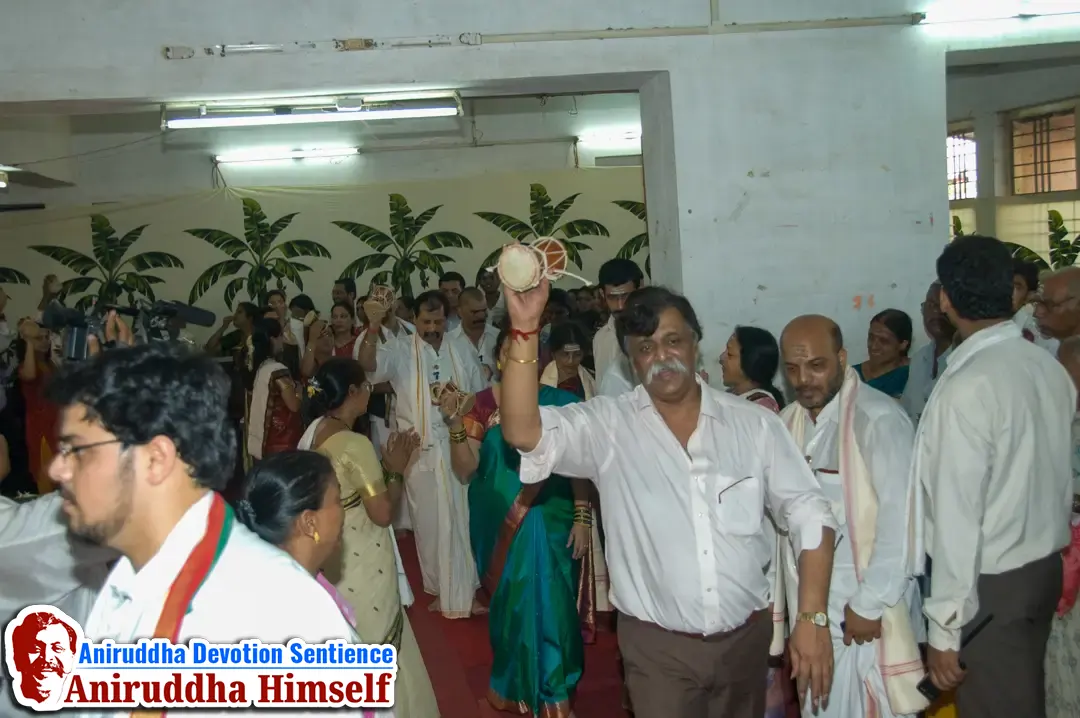
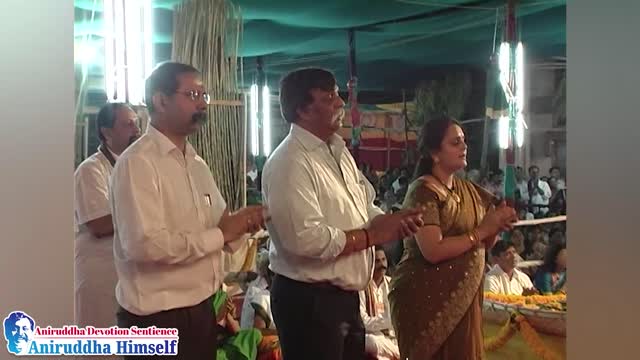
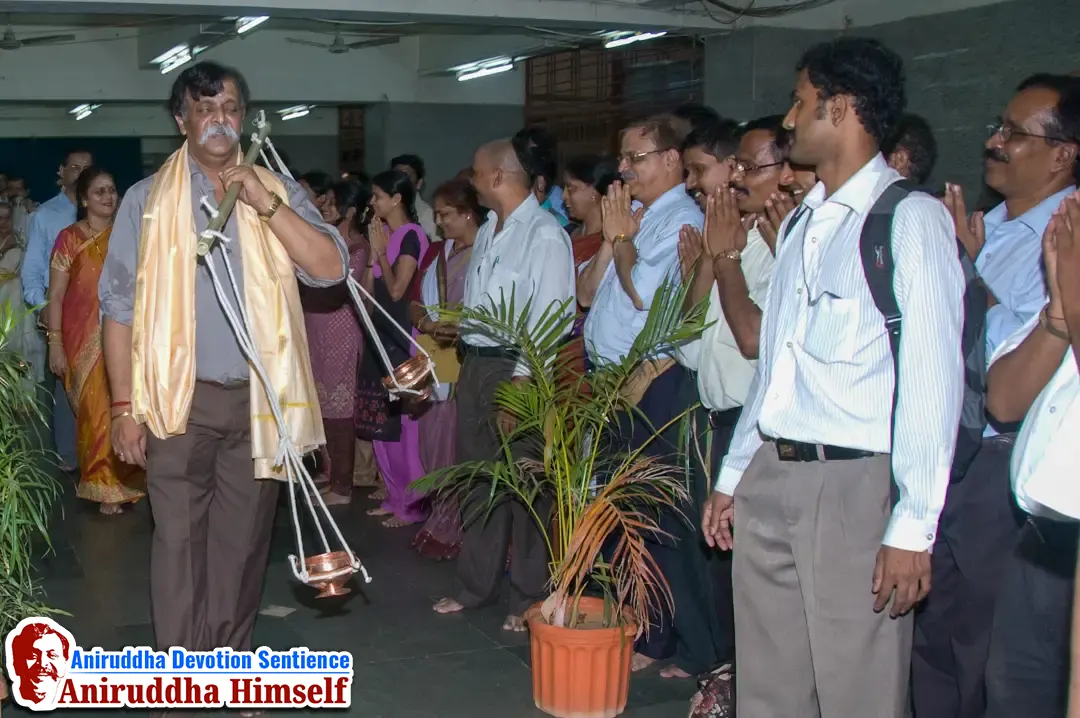
During this Mahapoojan, Shraddhavans held dumroos (small, traditional, two-headed hourglass-shaped drums) and played them while chanting a unique and powerful Dimdim Aarti. As they did so, they performed pradakshina around the circular arrangement of the twelve Jyotirlingas, creating an atmosphere charged with devotion and spiritual energy.
Through the Shree Dwadasha Jyotirlinga Kailashbhadra Mahapoojan, Shraddhavans were given the opportunity to bring about the dissolution and destruction of their negative tendencies, desires, and harmful inclinations, while simultaneously nurturing and preserving all that is good, auspicious, and beneficial within them. This Mahapoojan enabled Shraddhavans to cultivate virtues that foster growth in life and to dissolve tendencies that hinder it. In essence, it provided them with an opportunity to attain the power of Shiva-Shakti—the power to sustain the good and transform or dissolve the undesirable.