Shivagangagauri Mangal Snanam
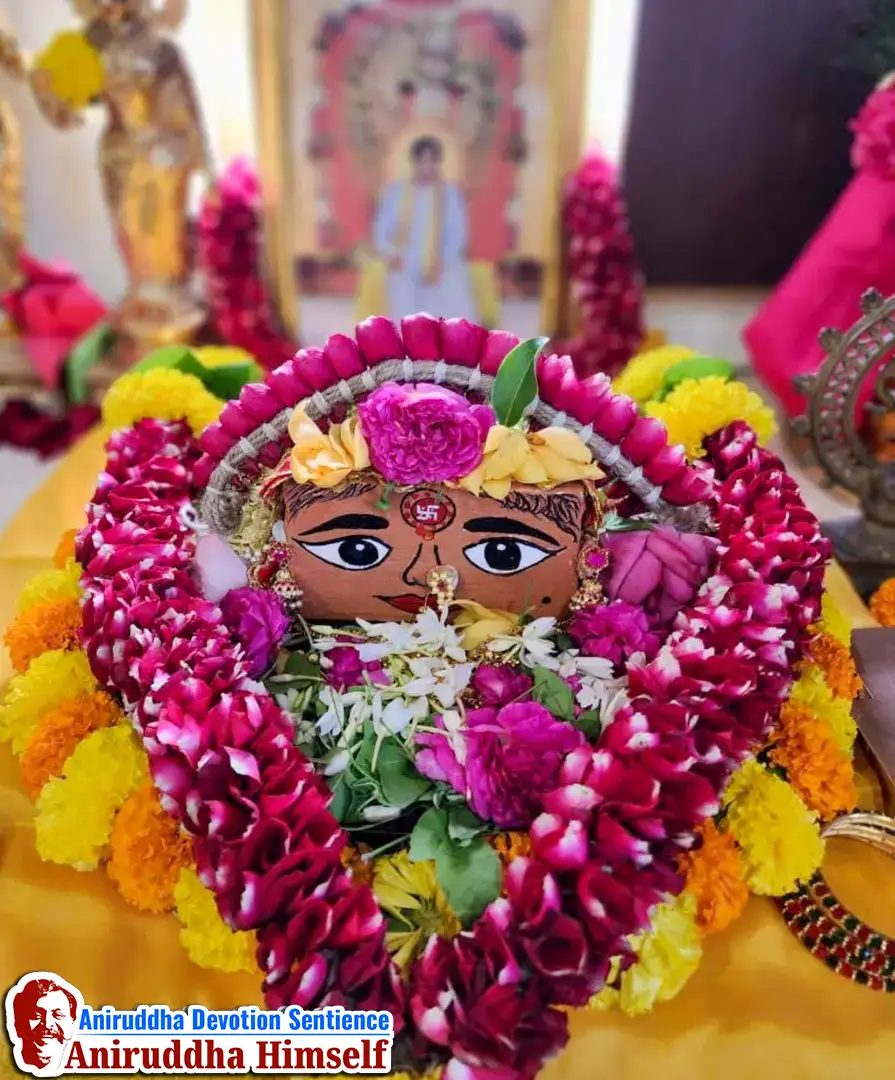
The Navratri festivities at Shree Aniruddha Gurukshetram commence in the serene pre-dawn hours with the sacred Mangal Snanam of Mata Shivagangagauri, the unified manifestation of Mata Parvati and Gangamata. As part of the ritual, a tender coconut is reverentially placed on a ceremonial plate before the deity as Her sacred symbol. Throughout the Mangal Snanam, the Shree Shivagangagauri Gayatri Mantra is chanted continuously, invoking Her divine grace and protection:
ॐ त्र्यंबकायै च विद्महे ।
अरिष्टस्तंभनकारिण्यै च धीमहि ।
तन्नो शिवगंगागौरी प्रचोदयात् ॥Om Tryambakāyai Cha Vidmahe ।
Ariṣṭa-Stambhanakāriṇyai Cha Dhīmahi ।
Tanno Shivagangagauri Prachodayāt ॥
Every action is performed with humility, infused with faith and sincerity, setting a gentle and sacred tone for the days of Navratri that follow.
The procession of sacred ornament – Tode
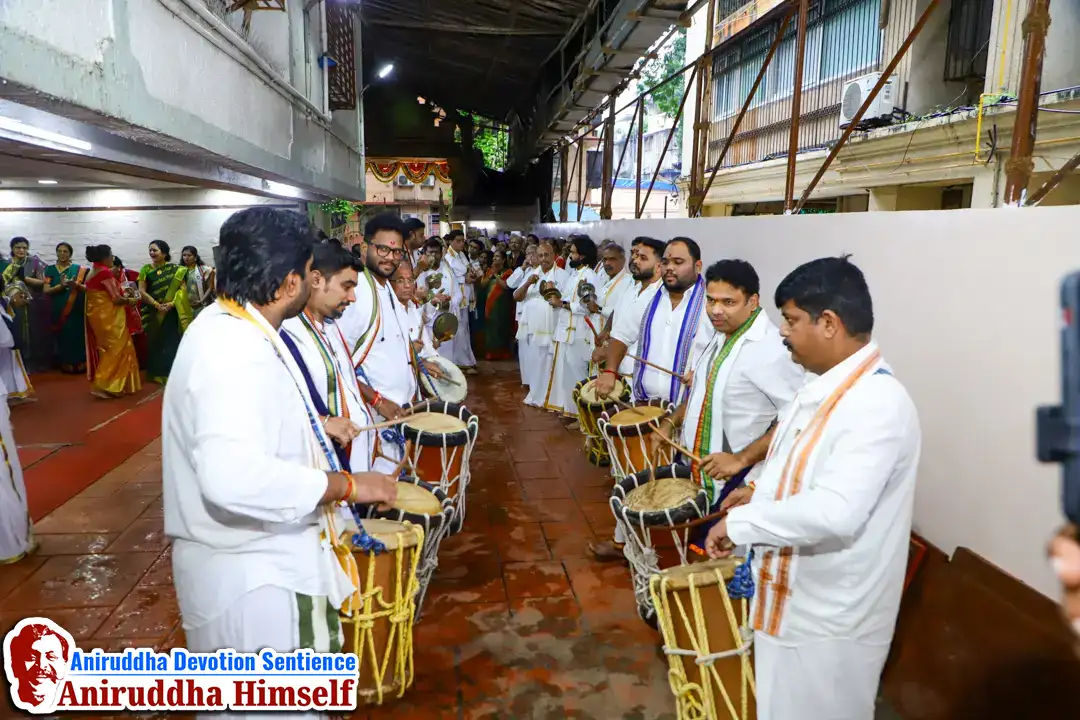
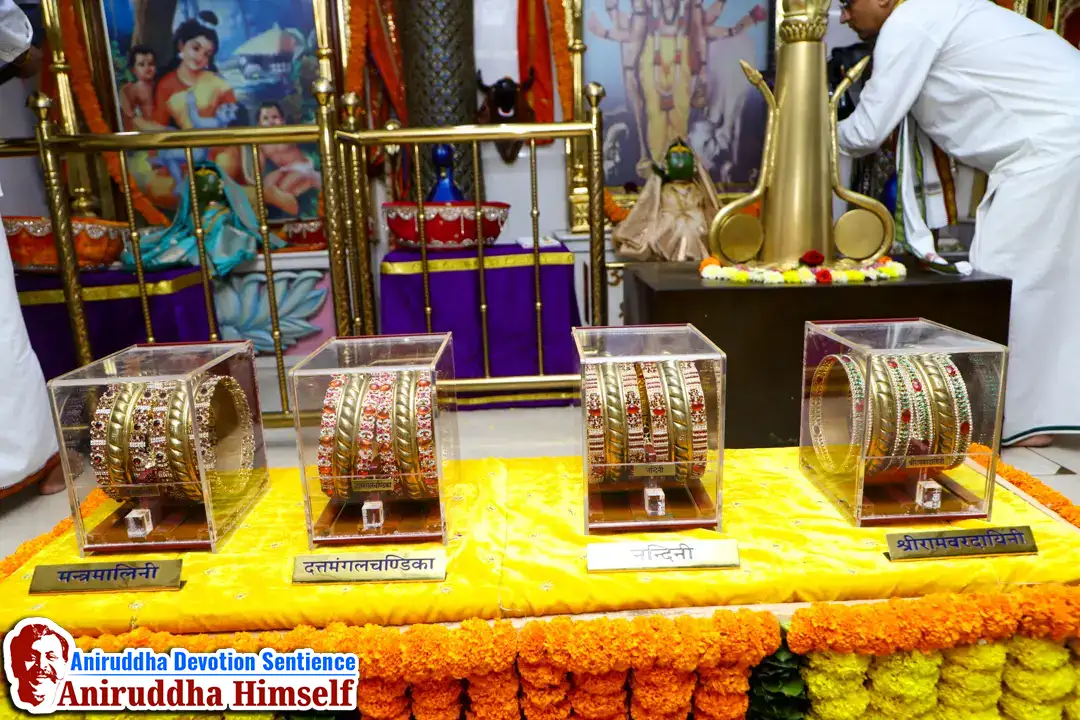
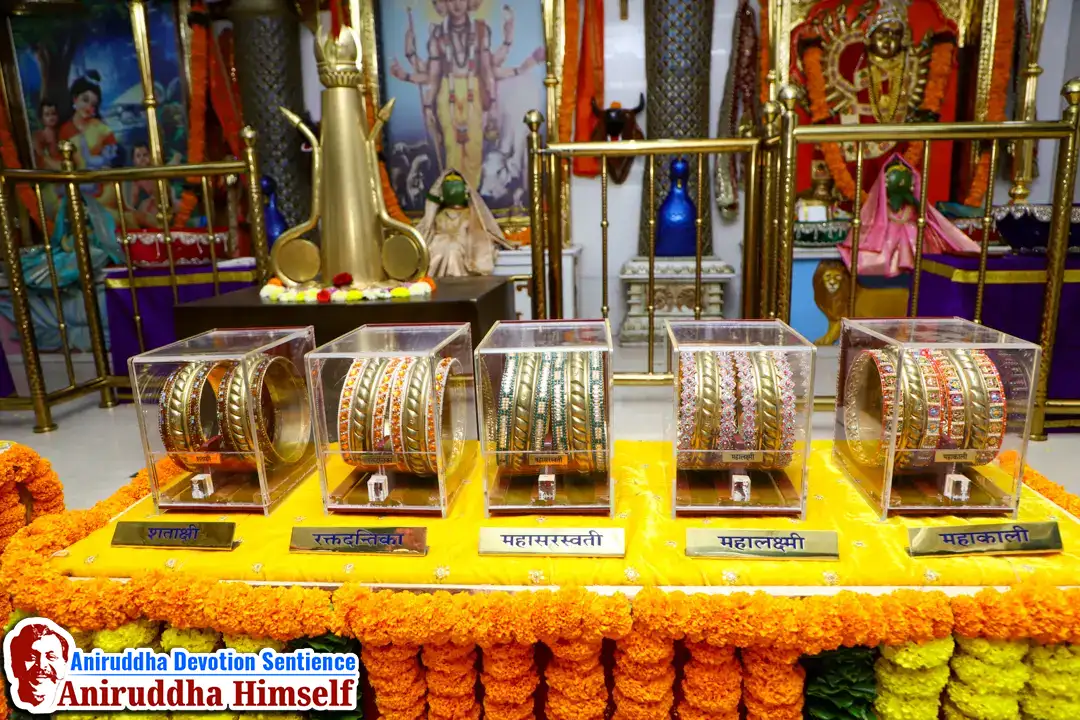
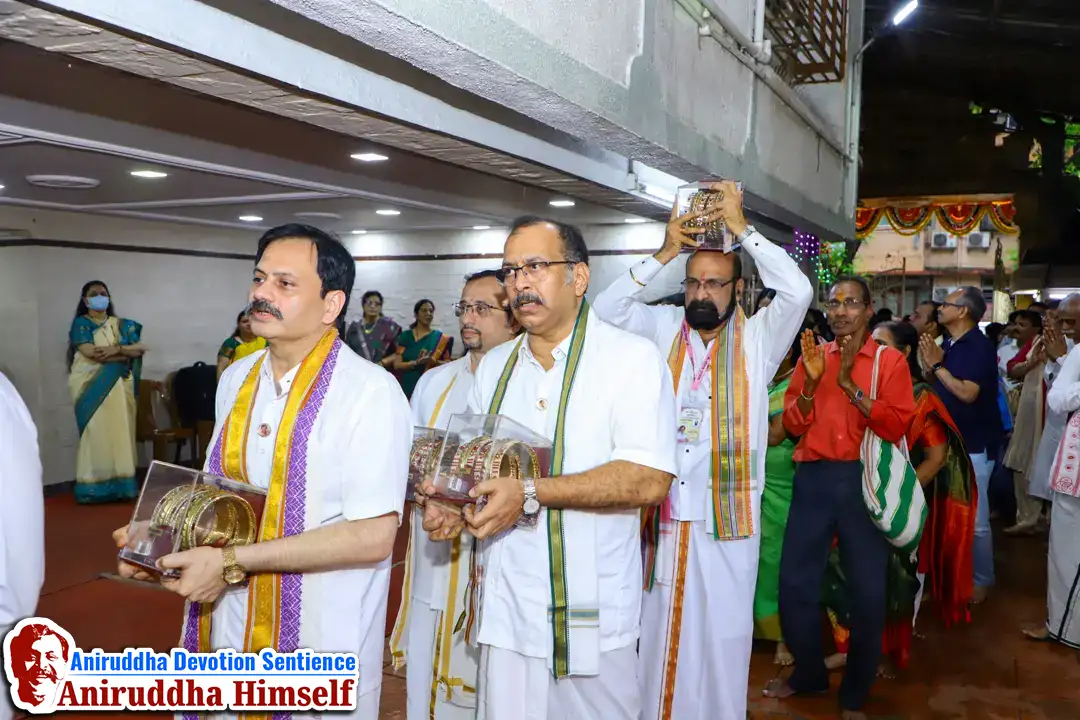
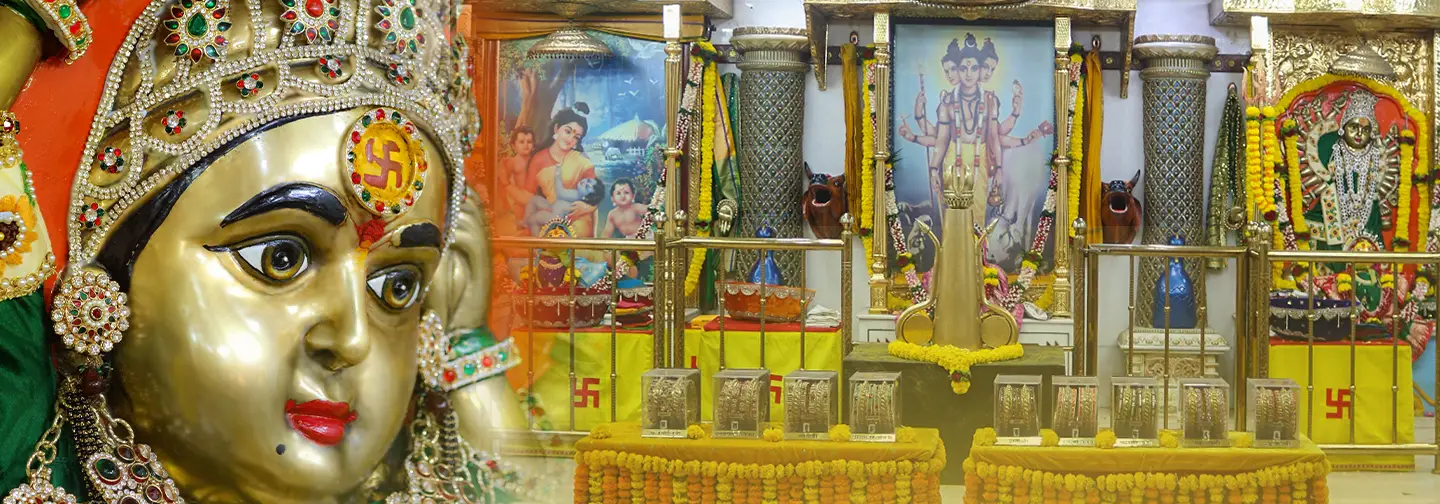
On the very first day of Navratri, the sacred Tode (traditional thick metal anklets) of Mothi Aai (Adimata Mahishasurmardini) are welcomed to Shree Aniruddha Gurukshetram in a grand procession amidst the auspicious sounds of Mangal Vadyam (traditional ceremonial instruments). There are nine sets of Tode, each dedicated to one of the nine divine forms of Adimata Mahishasurmardini worshipped during Navratri.
These Tode are not merely ornaments; they are revered as tangible symbols of the Divine Mother's powerful yet compassionate grace and Her ever-protective presence. Following the welcome ceremony, the sacred Todes are reverentially placed at Shree Aniruddha Gurukshetram for darshan, allowing devotees to experience the blessings and maternal care of Adimata during both the Shubhankara and Ashubhanashini Navratri Utsavs.
For every devotee who beholds them, the Tode serve as a reminder that the Divine Mother Parameshwari, along with Her son Paramatma Devisinh, walk beside Her children, protecting and guarding them through every challenge of life.
Sacred Recitation of Shree Matruvatsalyavindanam - the Path to receive the Divine Mother’s Grace
In his infinite compassion, Sadguru Shree Aniruddha Bapu has lovingly explained to us the immense spiritual significance of dedicating ourselves devotionally during the special period of Navratri. He has said that during these days, the atmosphere is naturally charged with auspicious vibrations and pious blessings. By immersing oneself in devotional recitations (Parayan), especially of the sacred Matruvatsalyavindanam grantha authored by Sadguru Bapu himself, a seeker can receive these subtle waves of grace.
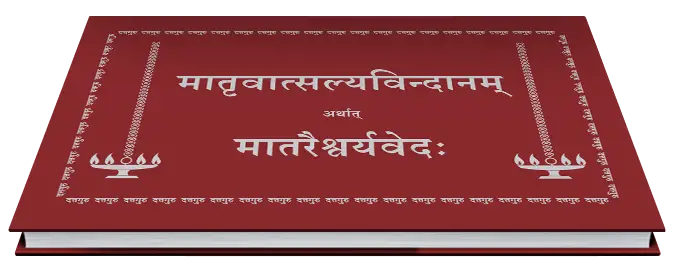
The ‘Matruvatsalyavindanam’ or the ‘Mataraishwarya Veda’ is a great and blessed work that has taken form from the dialogue between ShreeGuru Dattatreya and His disciple Shree Parshuram. It offers an easy and simple account of the Aadimata Chandika’s Tridha forms: the Aadimata Gayatri, the Aadimata Mahishasurmardini and the Aadimata Anasuya.
Describing this sacred memoir, Sadguru Shree Aniruddha beautifully writes that it is far more than just a narrative about the Aadimata. It is a sacred work, a gunasankirtan (praise of the Divine attributes), the Ganges of knowledge and the Bhagirathi of Bhakti — the pure devotion that flows from the heart back to the Almighty. Above all, Sadguru Bapu teaches that it is the very Shubhankara and the Ashubhanashini manifestations of the Aadimata, representing Her gentle motherly affection and protective presence. When Shraddhavans undertake the Parayan of Shree Matruvatsalyavindanam, they believe that the loving Aadimata surely comes and listens to this recitation by sitting right beside them.
Shraddhavans undertake the Parayan of Shree Matruvatsalyavindanam from Gudhi Padwa to Ram Navami during the Shubhankara Navratri, and from Ghatasthapana to Ashwin Navami as directed in Shree Matruvatsalyavindanam. Every syllable of this sacred text carries the touch of divine maternal love "Matru-vatsalya" — a love that is unconditional, nurturing and protective. The benefits of such recitation are countless; they are not limited merely to worldly gains, but extend much beyond to inner peace, clarity and a renewed connection with the Divine Mother Paramba Parmeshwari.
The Importance of Jaagran
Further strengthening the path of devotion, Sadguru Aniruddha Bapu has also lovingly guided Shraddhavans to perform jaagran (which means staying awake throughout the night in devotion, doing upasana) during this period of Navratri. He has strongly emphasised the immense spiritual significance of this dedicated vigil, viewing it as a means of remaining aware of the Divine Mother's presence.
This powerful act of jaagaran may be performed by staying awake throughout the night on any one of the nine days of the Navratri. This flexibility allows the devotee to choose a night that aligns best with their circumstances and schedule, ensuring the spiritual practice remains a source of joy rather than a burden.
Understanding the varying capacities and responsibilities of every devotee, Sadguru Bapu has offered an even more accessible path. He further said that if it is not possible for someone to stay awake the entire night, then they may lovingly perform a partial jaagran. This partial jaagran is a period of focused devotion, lasting from 9:30 pm to 2:30 am.
This continuous, heartfelt jaagaran can be performed by reading the Matruvatsalyavindanam grantha or any other treasured stotras (hymns) or mantras of one’s choice. The simplicity Sadguru Aniruddha Bapu imparts to the very act of jaagaran ensures that every Shraddhavan can participate wholeheartedly in receiving the divine grace of this sacred time, nurturing their faith and strengthening their inner self.
Ambadnya Ishtika Poojan
During the sacred period of both the Shubhankara and Ashubhanashini Navratri, Shraddhavans perform the ‘Ambadnya Ishtika poojan' of Aadimata Chandika with deep faith and devotion. This form of Navratri Poojan, lovingly given by Sadguru Shree Aniruddha Bapu, is marked by its purity, simplicity and Sattvic nature. Though outwardly simple, it is supremely sacred in essence and reflects the true traditional way of observing Navratri, one that connects the devotee directly to the Divine Mother through heartfelt gratitude and sincerity.
In this sacred observance, Shraddhavans themselves draw the face of Aadimata Chandika on the Ishtika, that is, a sacred brick known as the ‘Ambadnya Ishtika’. This Ishtika becomes the living representation of Aadimata Chandika and is installed during Navratri with deep Bhakti and mindful reverence. Every line drawn, every gesture performed, flows from devotion and love, making the poojan a deeply personal and spiritual experience.
‘Ambadnyata’ (अंबज्ञता) means heartfelt gratitude towards the Divine Mother and Her Son, Swayam Bhagwan Trivikram. It is believed that this Ambadnyata takes a tangible and sacred form as this Ishtika. Through this simple yet profound act, gratitude moves beyond emotion and becomes worship, allowing Shraddhavans to experience a quiet closeness with the Mother Divine, rooted in humility, faith and loving surrender.
Ratrapathan at Shree Aniruddha Gurukshetram
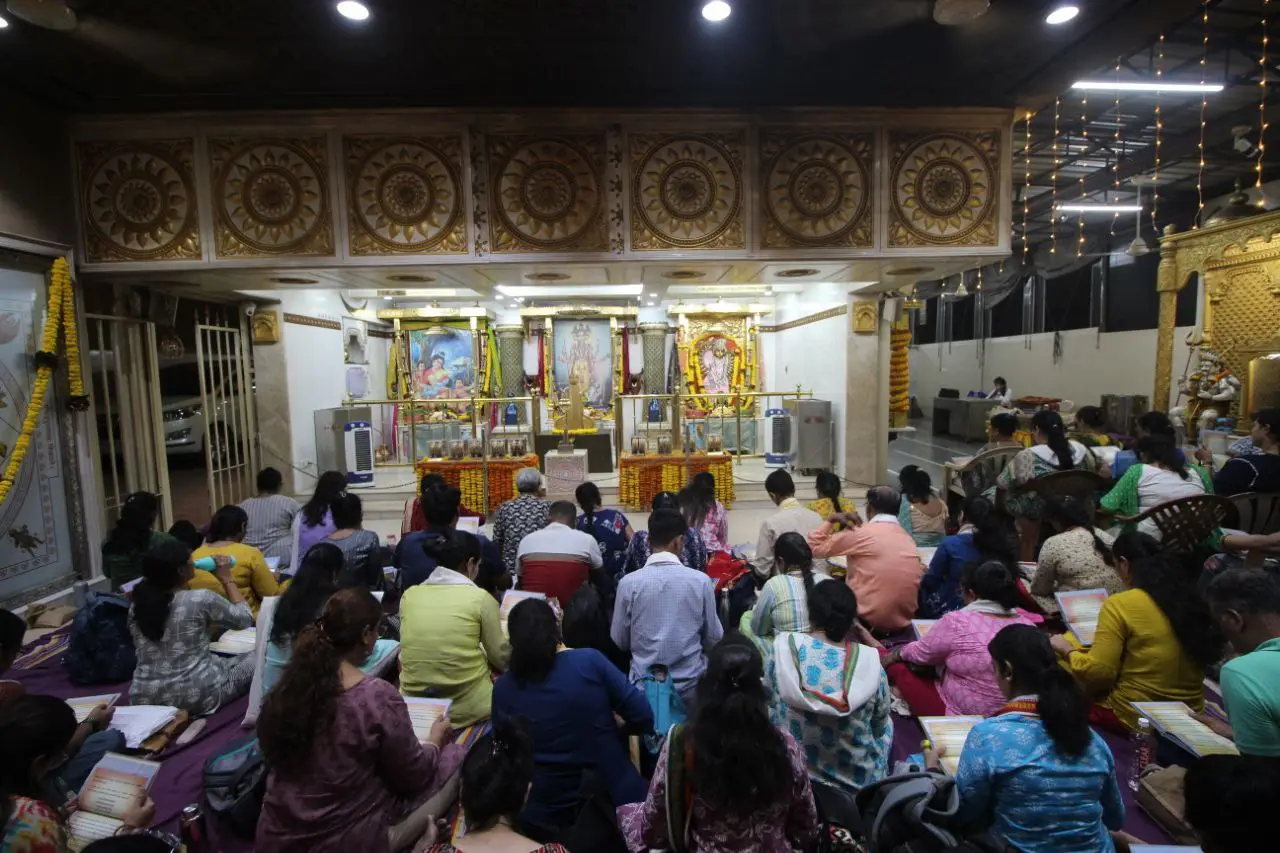
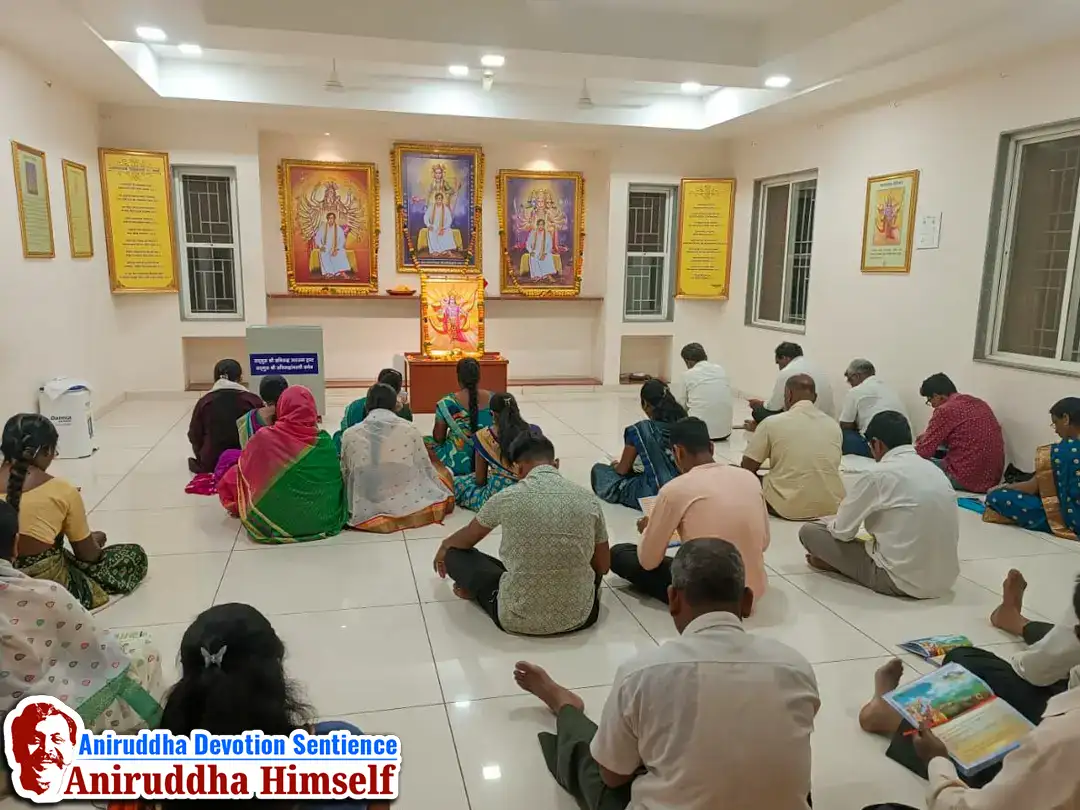
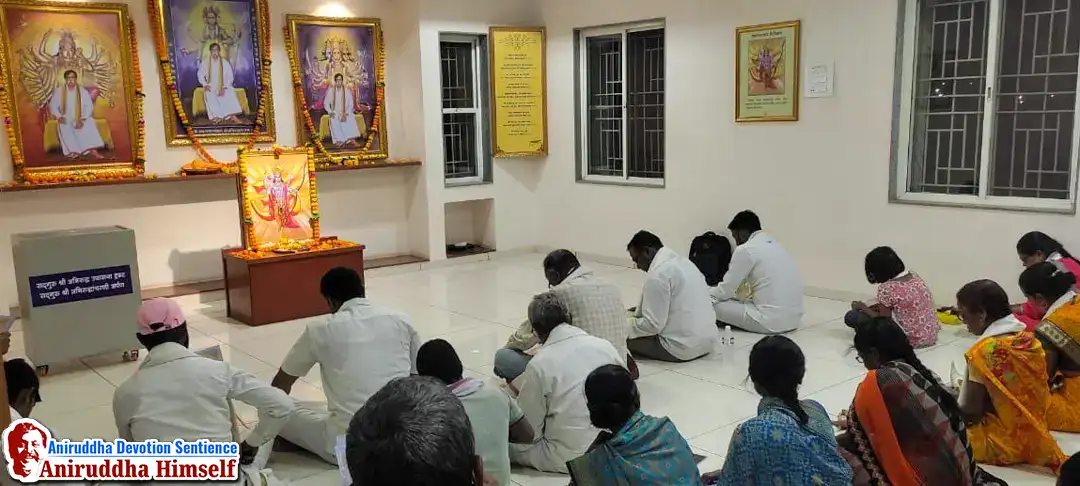
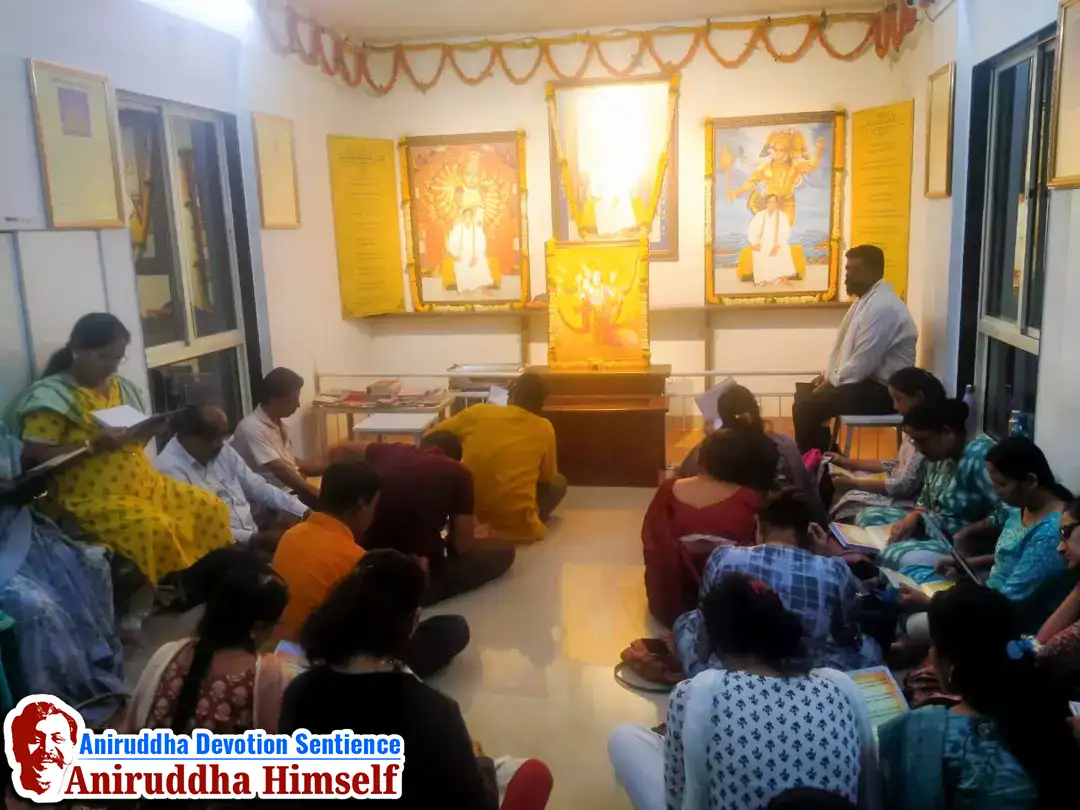
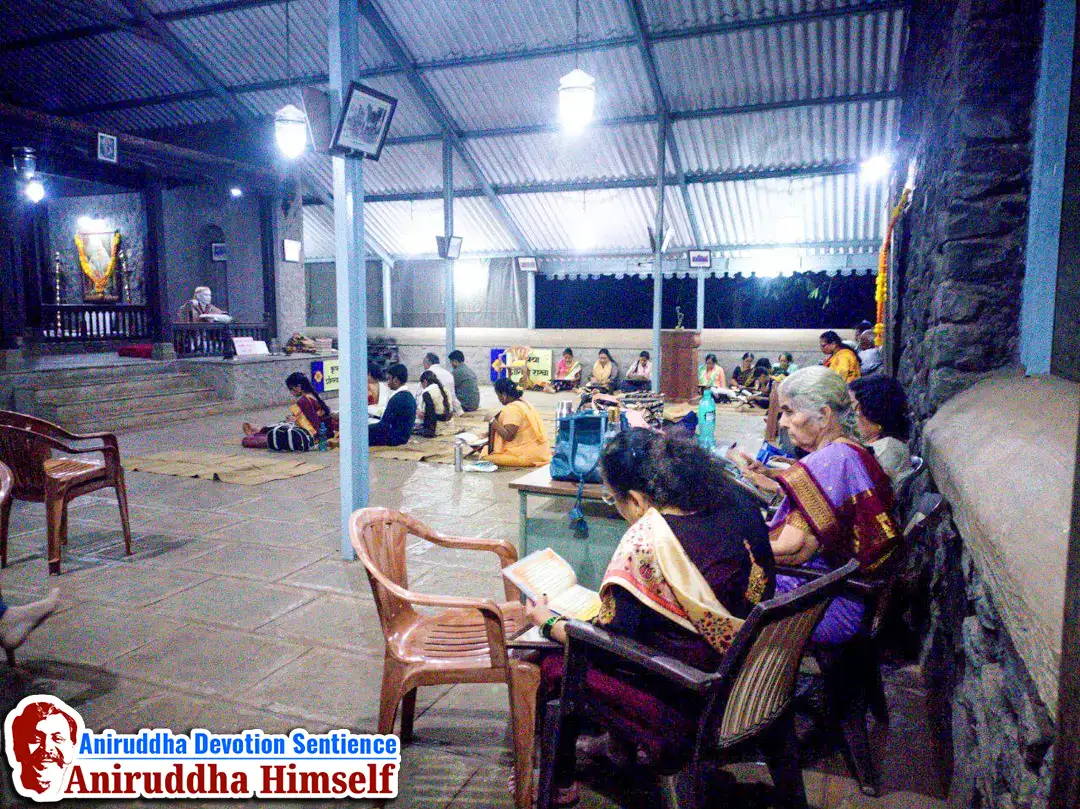
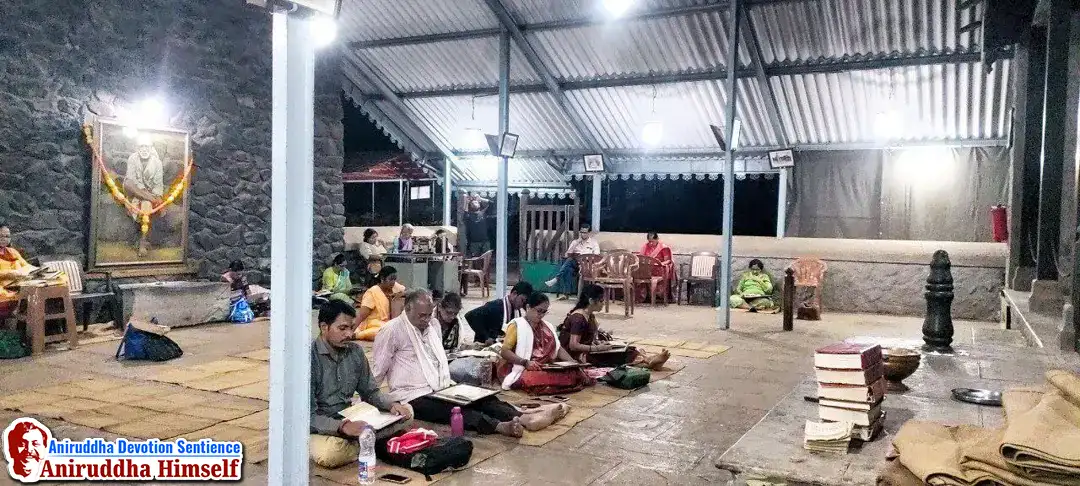
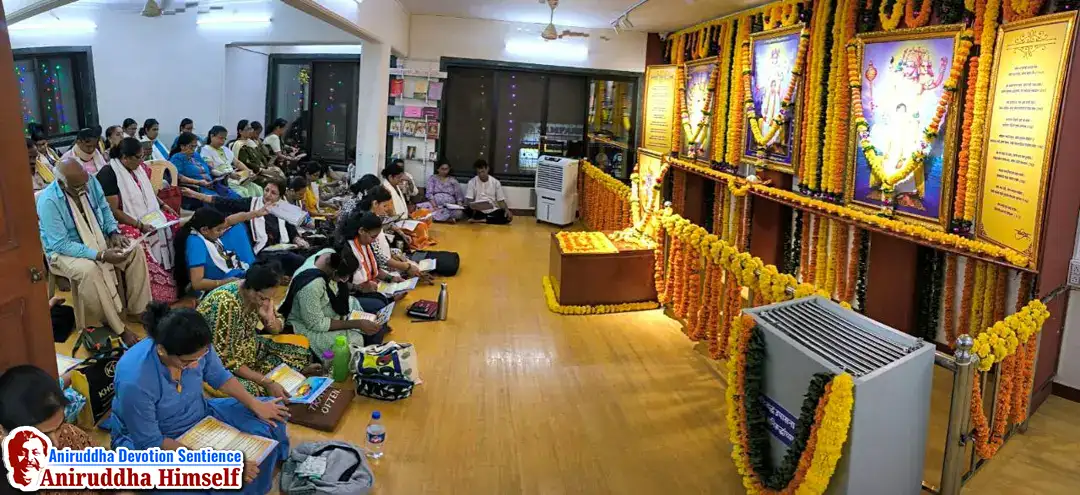
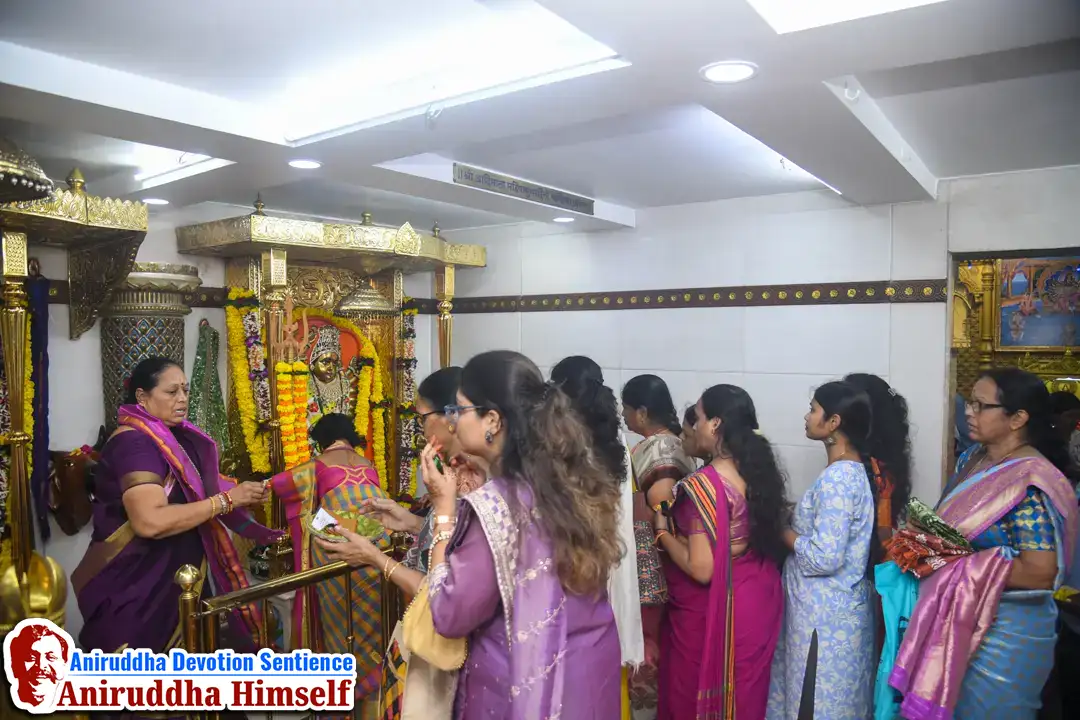
Shraddhavans consider it deeply auspicious to perform the Jaagran, also known as Ratrapathan, at Shree Aniruddha Gurukshetram, especially during both the Navratri. Through the calm of the night, devotees immerse themselves in the sacred act of reading holy scriptures such as Shree Ramrasayan, Shree Matruvatsalya Vindanam, Shree Matruvatsalya Upanishad, etc., or just gazing with pure love at the auspicious and serene visage of Aadimata Mahishasurmardini, Anasuya Mata, and other deities. This continuous remembrance nurtures mindfulness, Bhakti and deep spiritual connection during these silent hours.
Shraddhavans also perform Ratrapathan in the same reverent manner at all the Shree Trivikram Maths and at Shree Gurukul – Juinagar, allowing this sacred practice to be embraced across these holy places as well.
Through Sadguru Aniruddha Bapu’s guidance, these nine days become more than just a ritual; they become a living dialogue between a child and the Divine Mother Jagdamba. May every Shraddhavan experience the serenity of faith, the strength of surrender and the bliss of perpetual closeness to the Aadimata Mahishasurmardini and Sadguru Aniruddha Bapu in these sacred days.