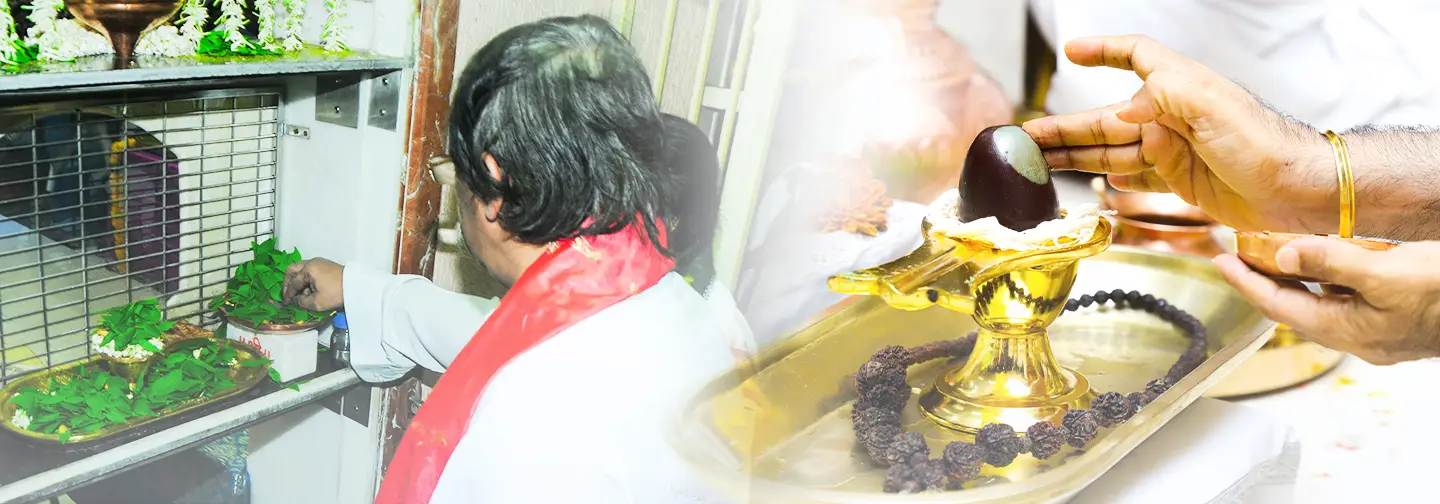
Mahashivaratri at Shree Aniruddha Gurukshetram
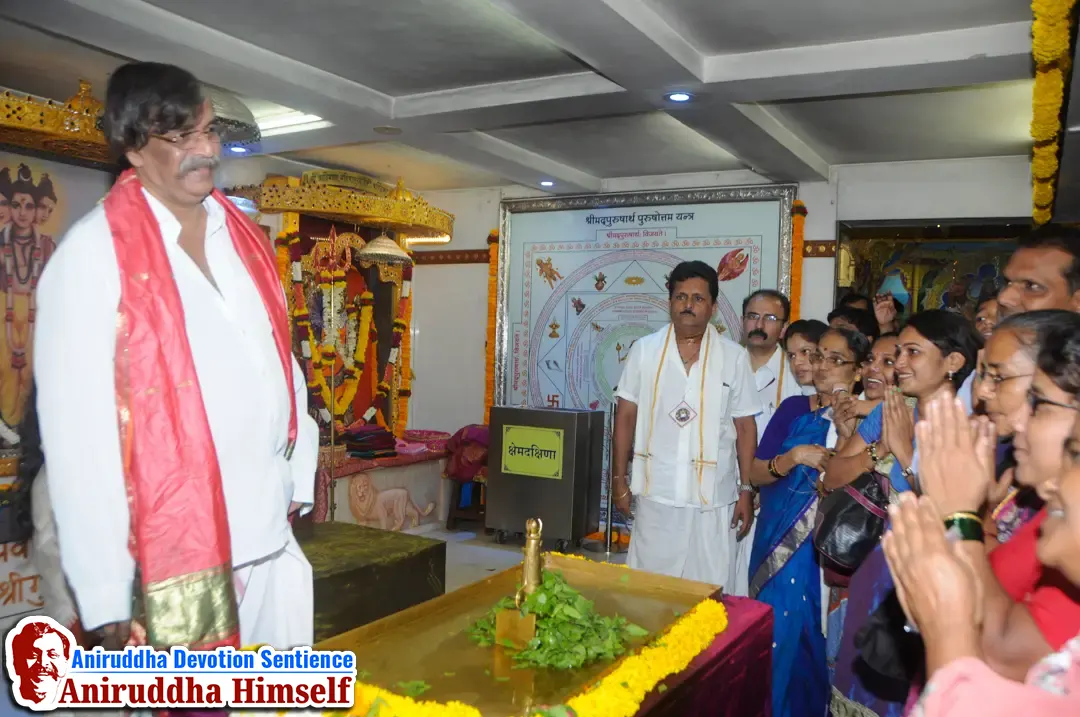
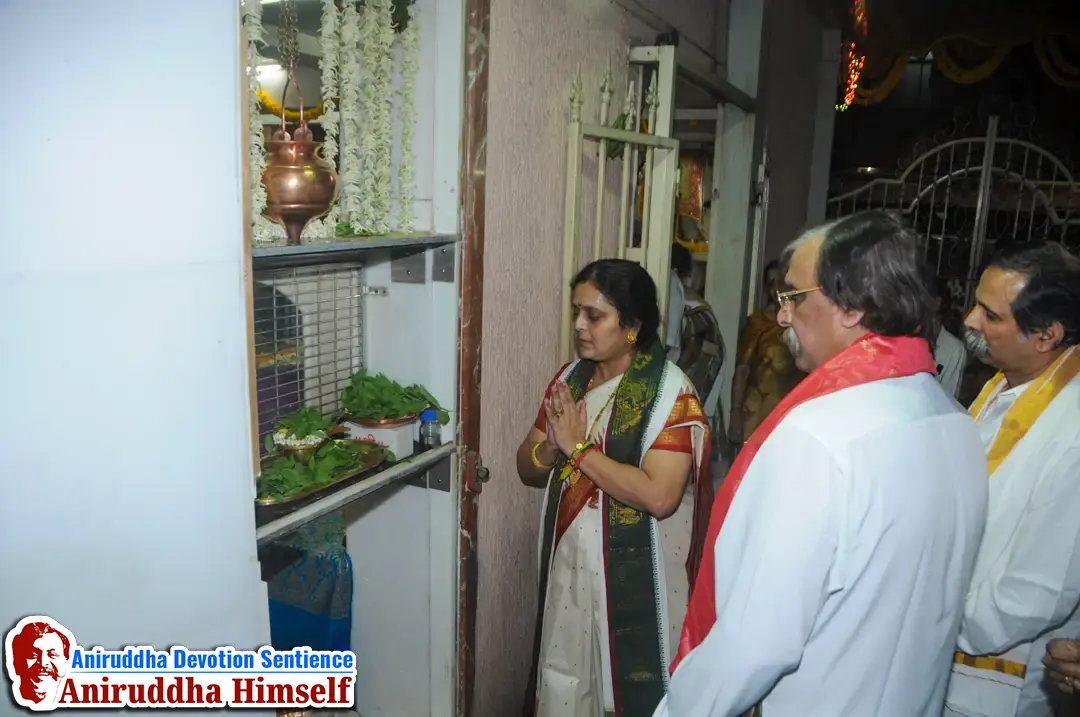
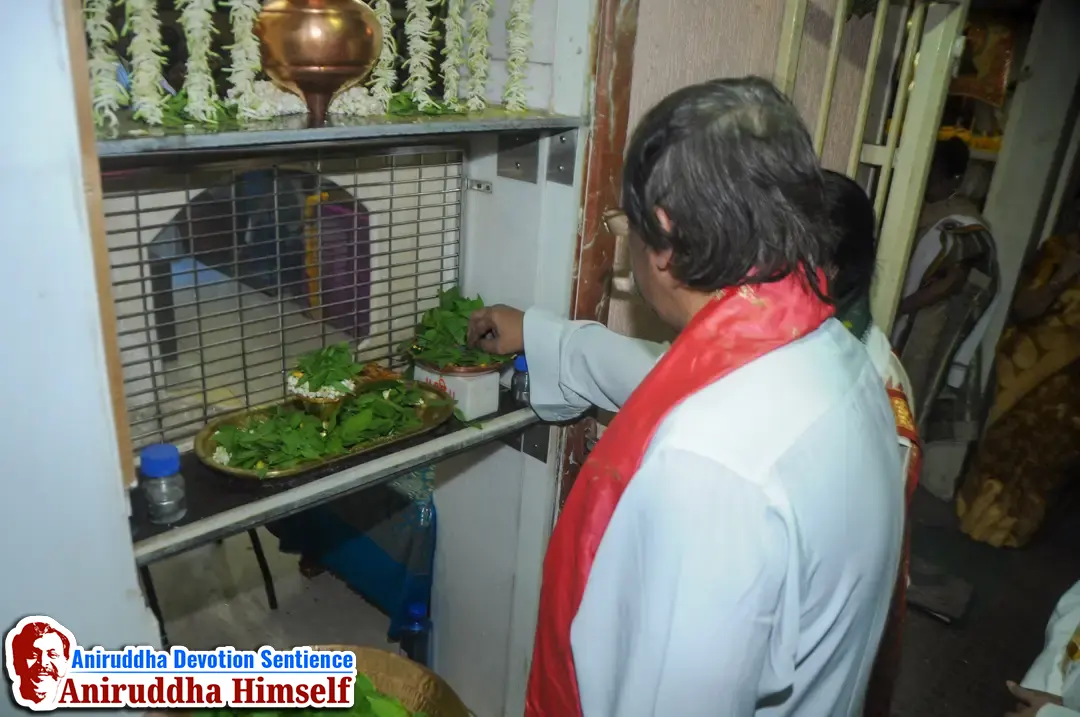
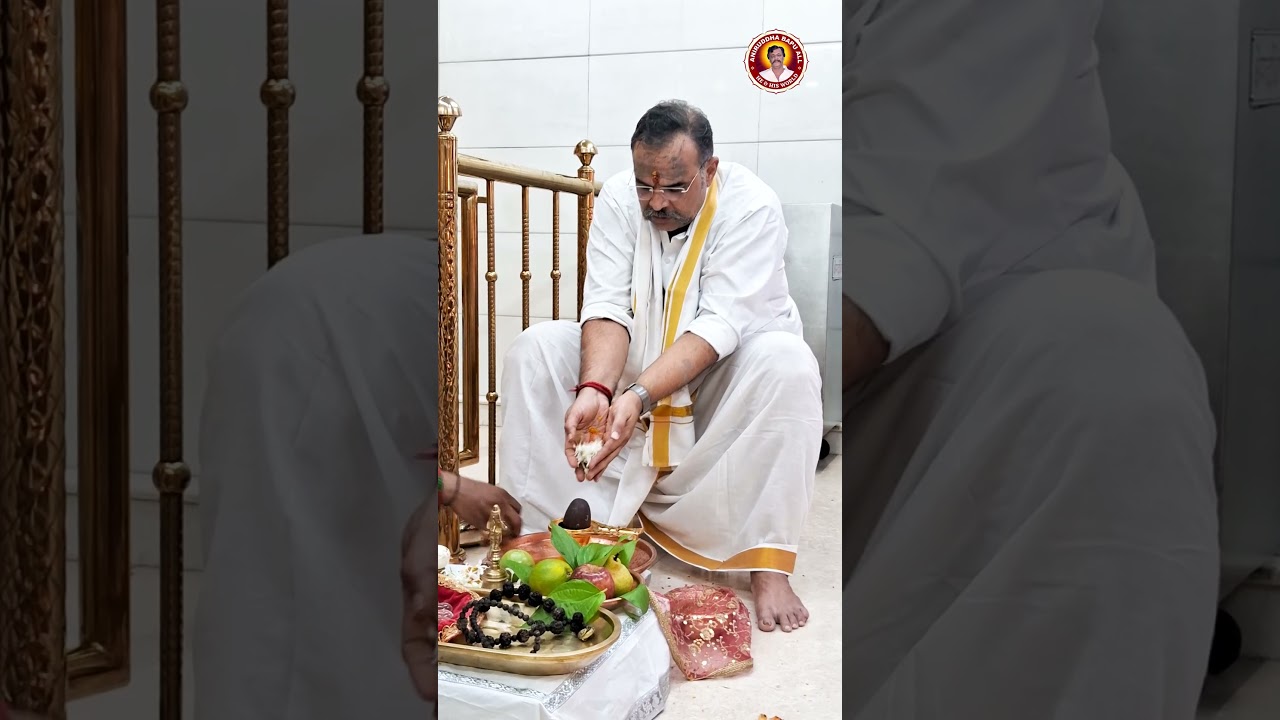
On Mahashivaratri, Shraddhavans offer bilvapatra to Shree Trivikram — the ‘Harihar’ form — at Shree Aniruddha Gurukshetram, Khar, and also offer abhishek to him with fragrant water.
Monthly Shivaratri Poojan at Shree Aniruddha Gurukshetram
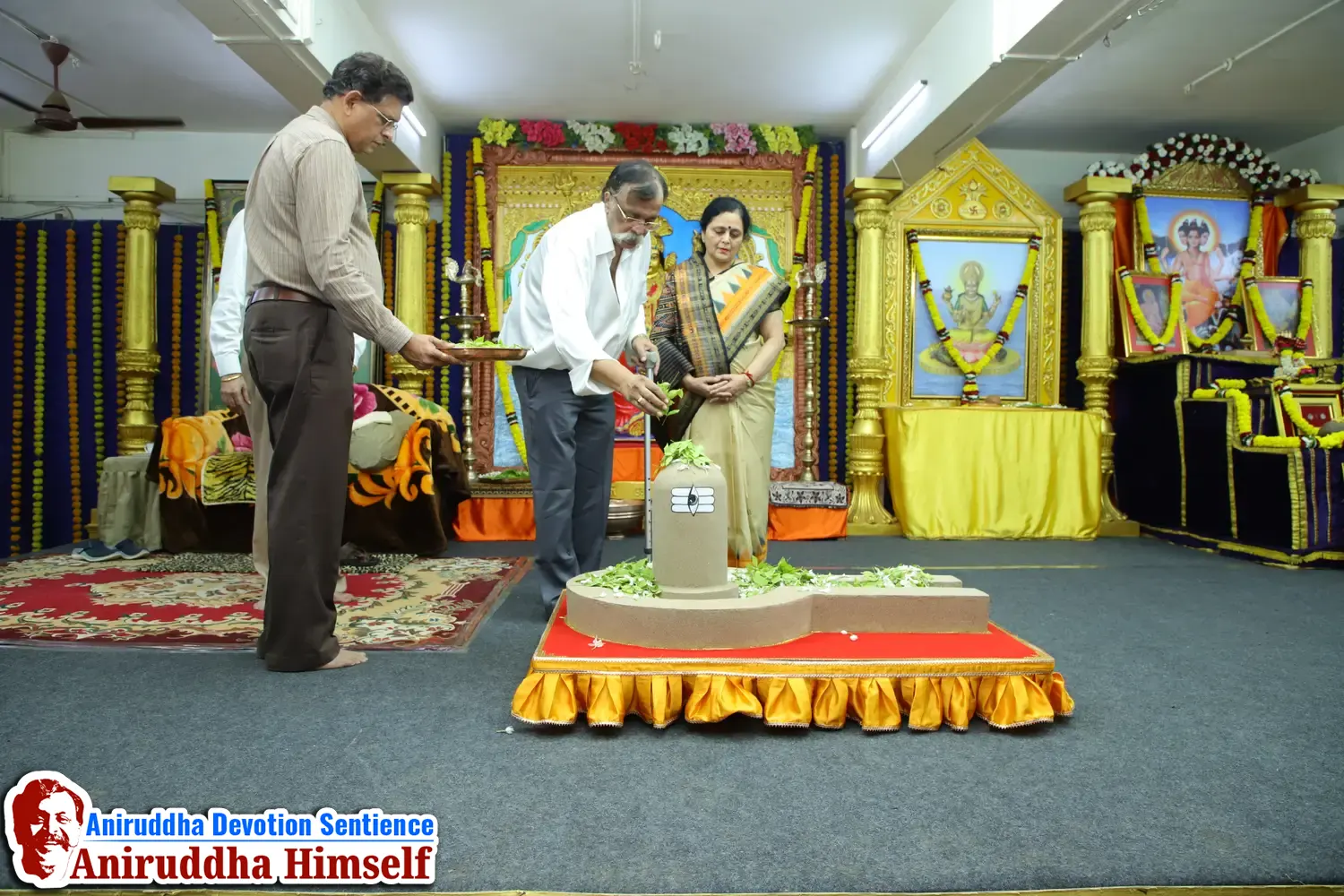
The day of Shivaratri generally falls on the Trayodashi (13th lunar day in the Hindu lunar calendar) of the Krishna Paksha (waning phase) of every month. On each monthly Shivaratri, special and duly prescribed poojan of Shree Mahadurgeshwar Linga and the twelve Banalingas, which represent the twelve Jyotirlingas, is performed at Shree Aniruddha Gurukshetram. Shraddhavans can attend this poojan at Shree Aniruddha Gurukshetram and receive the benefit of close darshan of the Shree Mahadurgeshwar Linga and the twelve Banalingas, as well as their poojan ceremony.
The Banalingas are made of Sphatik or Quartz, which is regarded as a symbol of purity, transparency and radiance. The poojan of the Sphatikalinga complements the upasana of Shree Mahadurgeshwar and directs the Shraddhavan's mind towards Shiva's pure, serene and self-luminous principle. Thus, each monthly Shivaratri offers Shraddhavans a sacred opportunity to renew their Bhakti, purify their minds and deepen their remembrance of Bhagwan Shiva.
Mahashivaratri Utsav at Shree Harigurugram
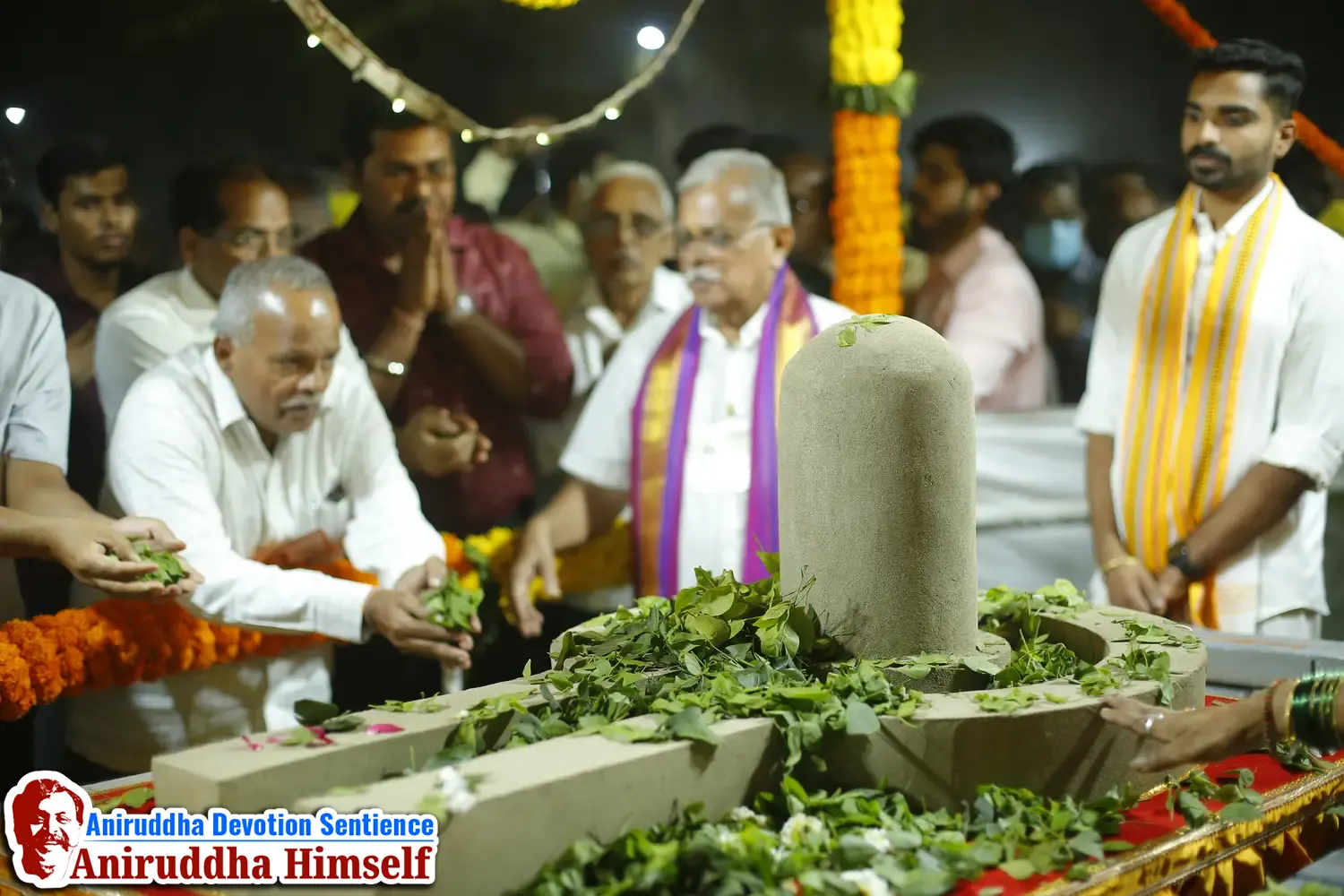
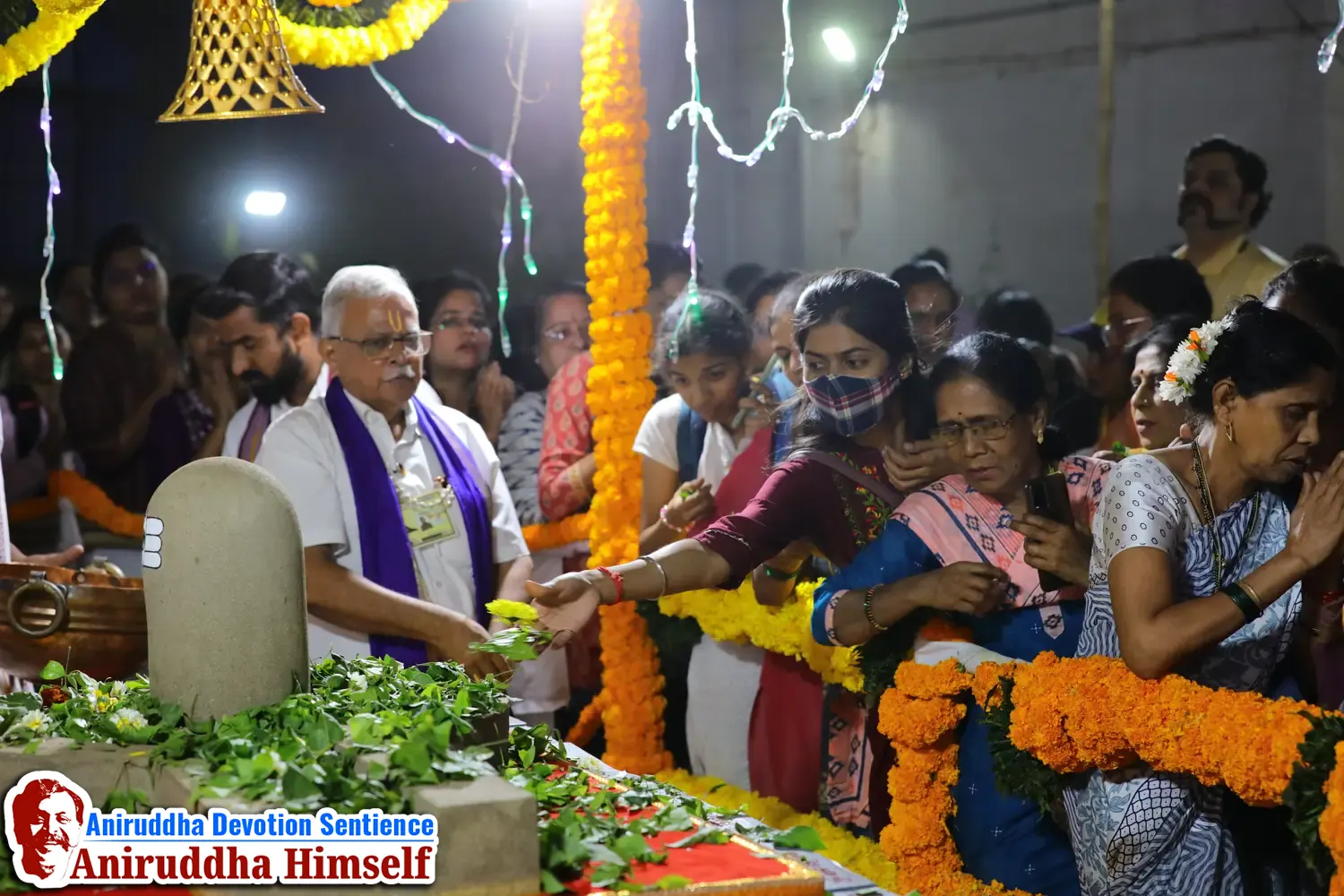
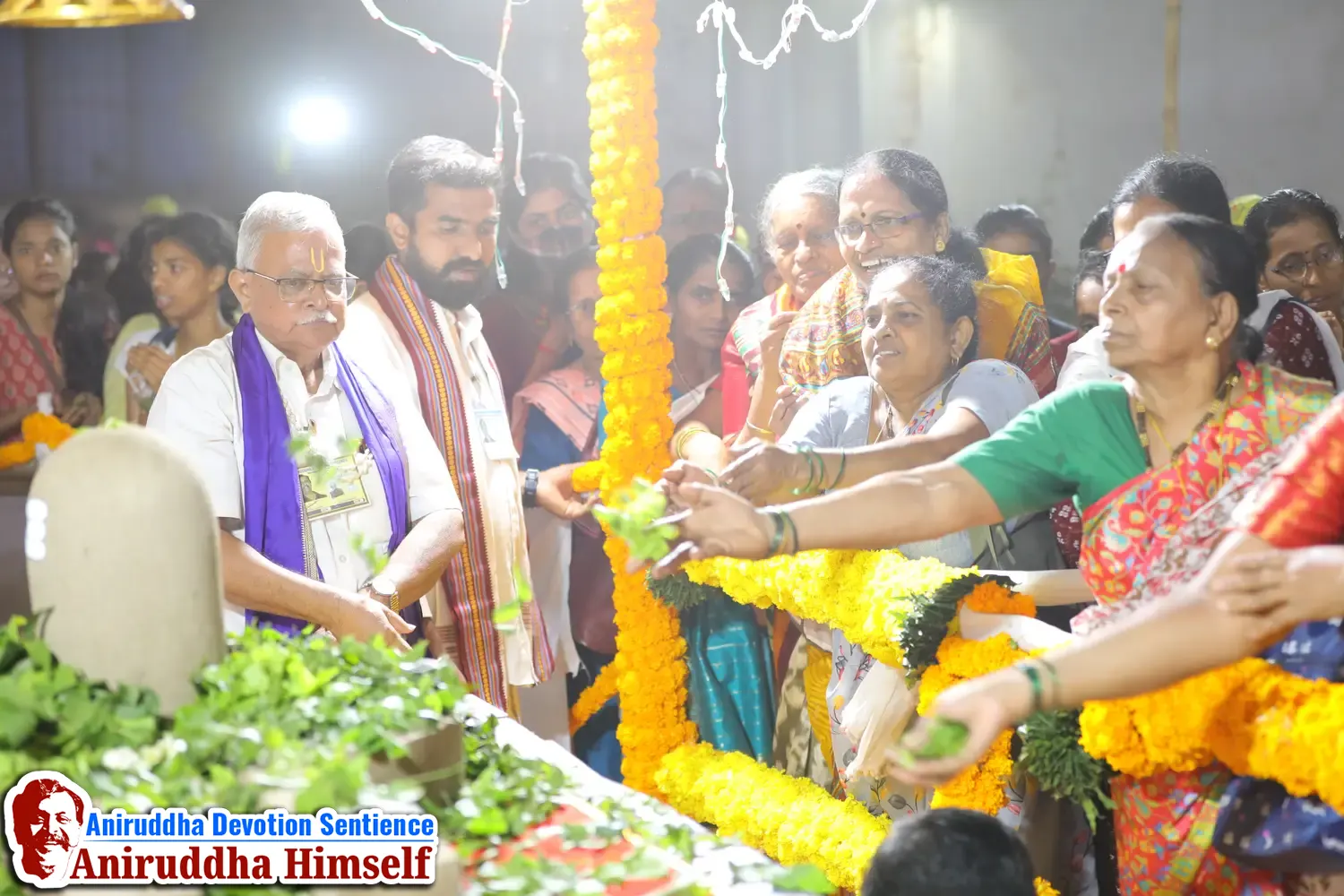
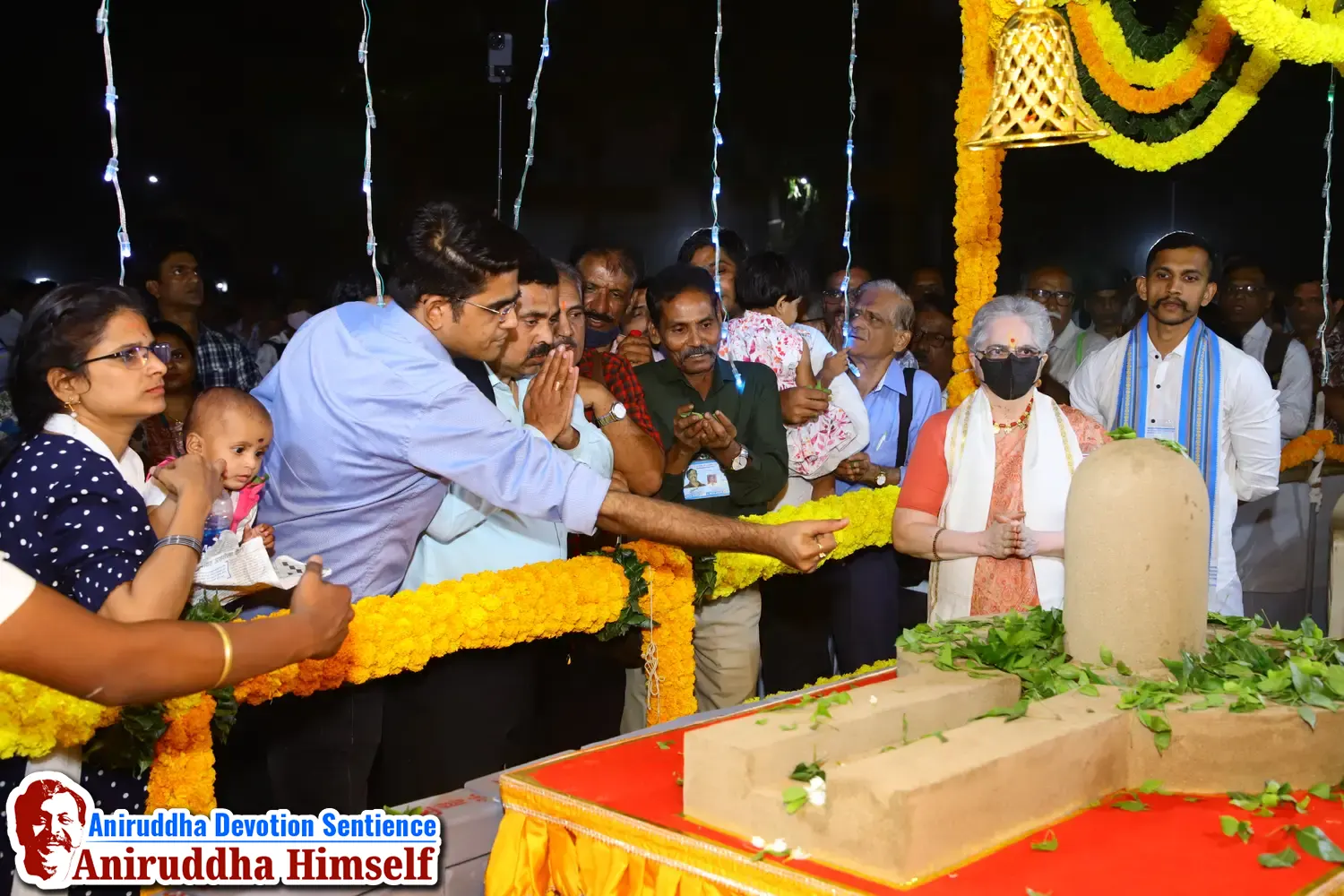
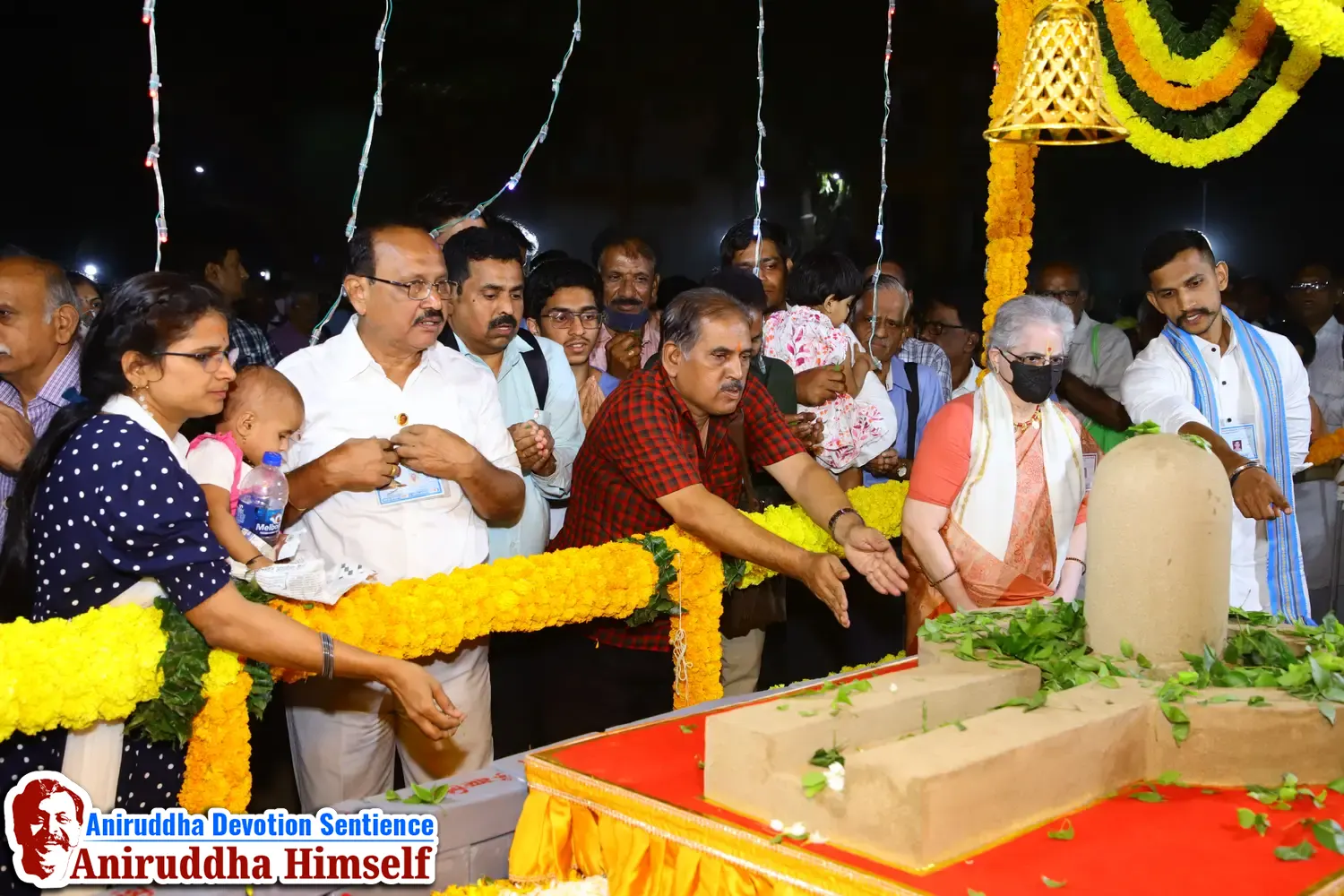
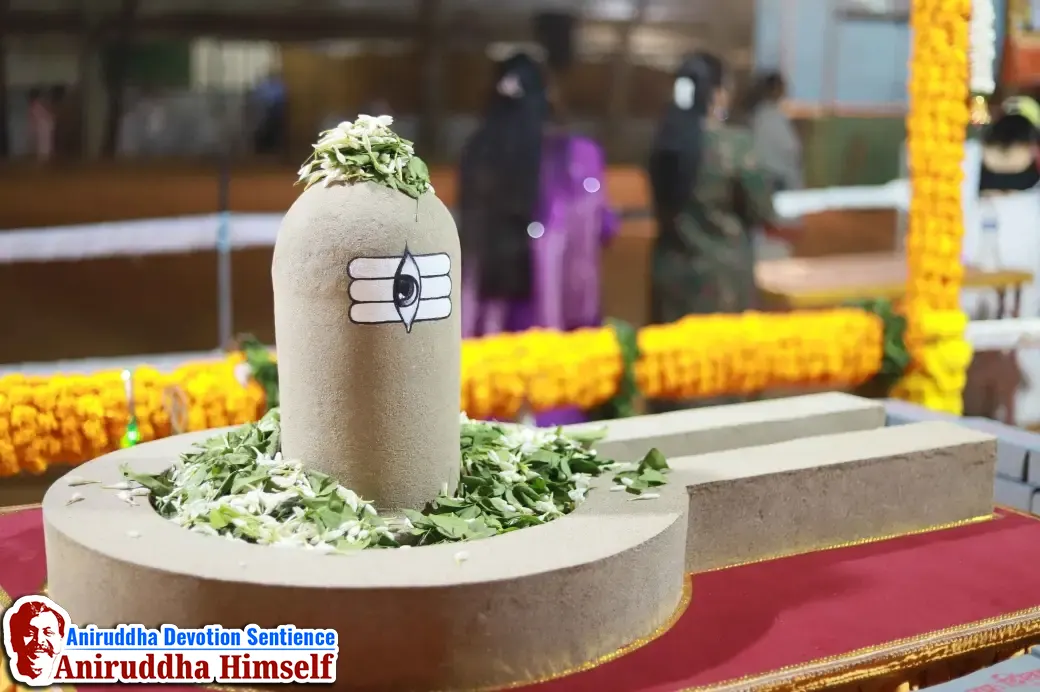
The upasana of the Shiva Panchakshari Stotra is performed on three Thursdays at Shree Harigurugram, Bandra. These three Thursdays form the ‘Nandipaksha.’ On all three Thursdays, the Valukeshwar Linga — a Shivalinga made from beach sand — is kept there for darshan. On the third Thursday, Shraddhavans gather in very large numbers as they get an opportunity to offer bilvapatra to the Valukeshwar Linga.
How Is This Festival Traditionally Celebrated?
Throughout Bharat, the night of Magh Krishna Trayodashi is traditionally observed as Mahashivaratri. The Mahashivaratri festival of Bhagwan Shiva is celebrated at each of the twelve Jyotirlingas in Bharat. On this day, the murti of Bhagwan Shiva or the Shivalinga is worshipped everywhere by offering bilvapatra. Abhishek is performed upon the Shivalinga. When the Shivalinga is worshipped wholeheartedly in this manner, Shivabhaktas receive the special grace of Shiva. In accordance with tradition, a fast is observed on this day and devotees visit a Shiva temple for darshan. Om Namah Shivaaya is chanted, while the Shiva Panchakshari Stotra (Om Naagendrahaaraaya) and the Shivalilamrut grantha are recited. Surrendering to Shiva, devotees also offer bilvapatra to Him.
The Panchakshari Mantra ‘Namah Shivaya’
Om Namah Shivaaya
‘Namah Shivaya’ is the Panchakshari Mantra. The collective vibrations of this mantra function exactly like Shiva. This mantra removes all inauspicious elements. It is for this reason that Nandi Rishi composed the Shiva Panchakshari Stotra from this very mantra.
The Shiva Panchakshari Stotra
Rishi Markandeya imparted to Nandi Rishi, the foremost devotee of Shiva, the knowledge he had attained through contemplation of Shiva. Thereafter, Nandi Rishi composed this stotra. This is the mantra through which he performed penance to please Shiva and become Shiva's vehicle.
This stotra extols Shiva's incomparable attributes, describes His divine form and sings His glories. The entire power and mystery of the mantra “Om Namah Shivaaya” have been revealed through the Shiva Panchakshari Stotra. So that this power may be attained, each verse of the stotra begins with one of the individual syllables of the Shiva Panchakshari Mantra, “Namah Shivaaya.” Whether or not one understands its meaning, it is believed that one who recites this stotra with pure sentiments, feeling and faith attains the true competencies of the chant “Om Namah Shivaaya.”
What Does It Mean That Nandi Is Shiva's Vehicle?
What Is Nandipaksha?
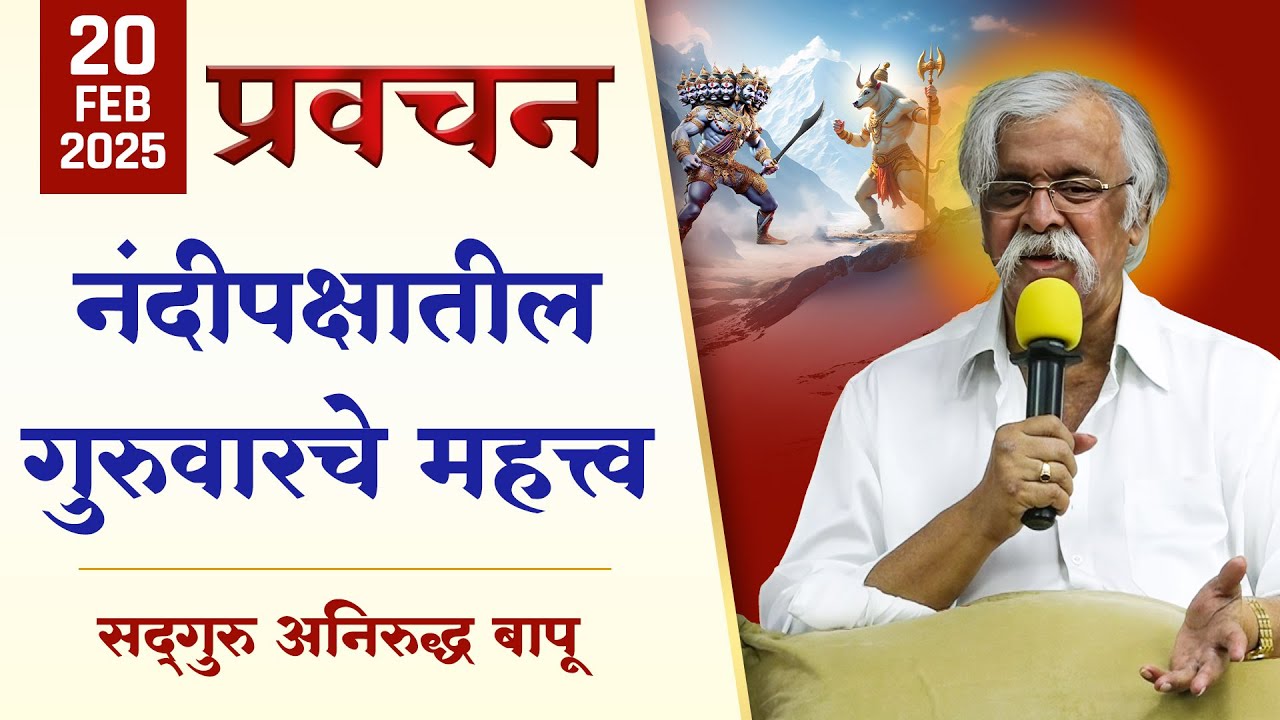
Nandipaksha refers to the fortnight during which Nandi Rishi, the foremost devotee of Bhagwan Shiva, performed penance through the Shiva Panchakshari Stotra manifested by him, with the aim of becoming Bhagwan Shiva's vehicle. In other words, the period comprising the week preceding Mahashivaratri and the week following it forms a fortnight — a paksha — known as the Nandipaksha.
What Is the Significance of the Bilvapatra Offered to Bhagwan Shiva?
What Is the Significance of the Valukeshwar Shivalinga made from Beach Sand?
Sand forms when sea waves repeatedly strike rocks, reducing them to particles. The waves that ceaselessly strike the rocks year after year turn stone into sand. Therefore, sand symbolises perseverance and sustained effort. This process also beautifully demonstrates the interaction of opposing qualities. Although water is fluid, soft and gentle, it reduces the hard rock in its path to particles. The rock, despite being extremely hard, allows itself to be reduced to particles before the soft water. Therefore, the Shivalinga made from sand becomes the true symbol of Shiva's mutually exclusive powers. To achieve two opposite effects through a single power is Shiva's true function.
The Essence of Mahashivaratri
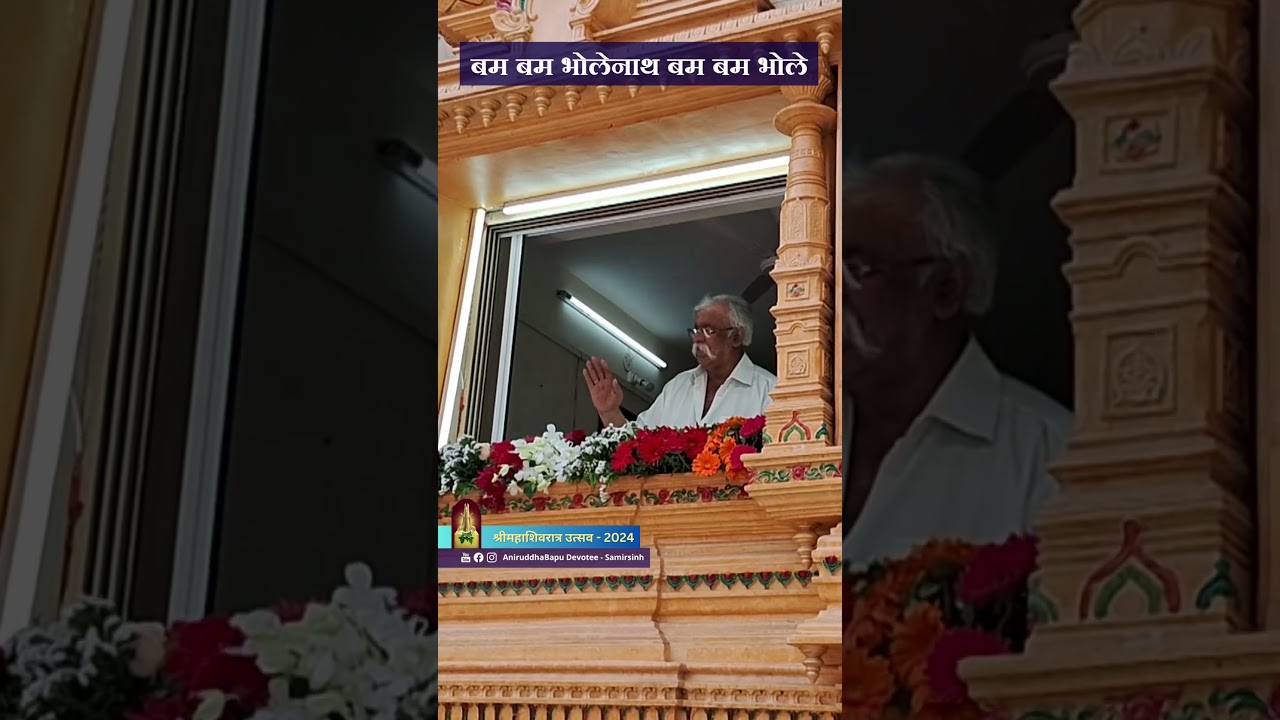
Param Pujya Sadguru Shree Aniruddha Bapu has explained the principle of “Shivam Dnyaanopadeshtaaram on many occasions in his discourses. Shiva is the Dnyaanopadeshtaa — the One who imparts knowledge and destroys ignorance. Mahashivaratri is a sacred journey from ignorance to knowledge, from darkness to light, and from impurity to purity. Through the remembrance of the principle of Shivam Dnyaanopadeshtaaram, the chanting of “Om Namah Shivaaya,” the recitation of the Shiva Panchakshari Stotra and the loving offering of bilvapatra, the Shraddhavan not only prays for Shiva's grace but also strives for the transformation of his own inner being.
Through the darshan of Shree Trivikram and Shree Mahadurgeshwar at Shree Aniruddha Gurukshetram, the Shraddhavan experiences the Sadguru's active grace more directly. The observance of Nandipaksha and the poojan of Shree Valukeshwar teach him the importance of ceaseless effort, patience and forbearance without any anxiety, surrender and unwavering Bhakti and faith.
Know more about Mahashivaratri
- Mahashivaratri and Pradoshkaal
महाशिवरात्रीचा संपूर्ण दिवस प्रदोष काल मानला जातो - What should we tell Shiva ji on the day of Mahashivaratri?
What should we tell Shiva ji on the day of Mahashivaratri - Gajars of Shiva chanted by Bapu
Gajars of Shiva chanted by Bapu